Amazon Cancels Sam Altman Film 'Artificial' Amid OpenAI Partnership Controversy
The decision to halt production raises questions about Amazon's film strategy and ties to OpenAI.

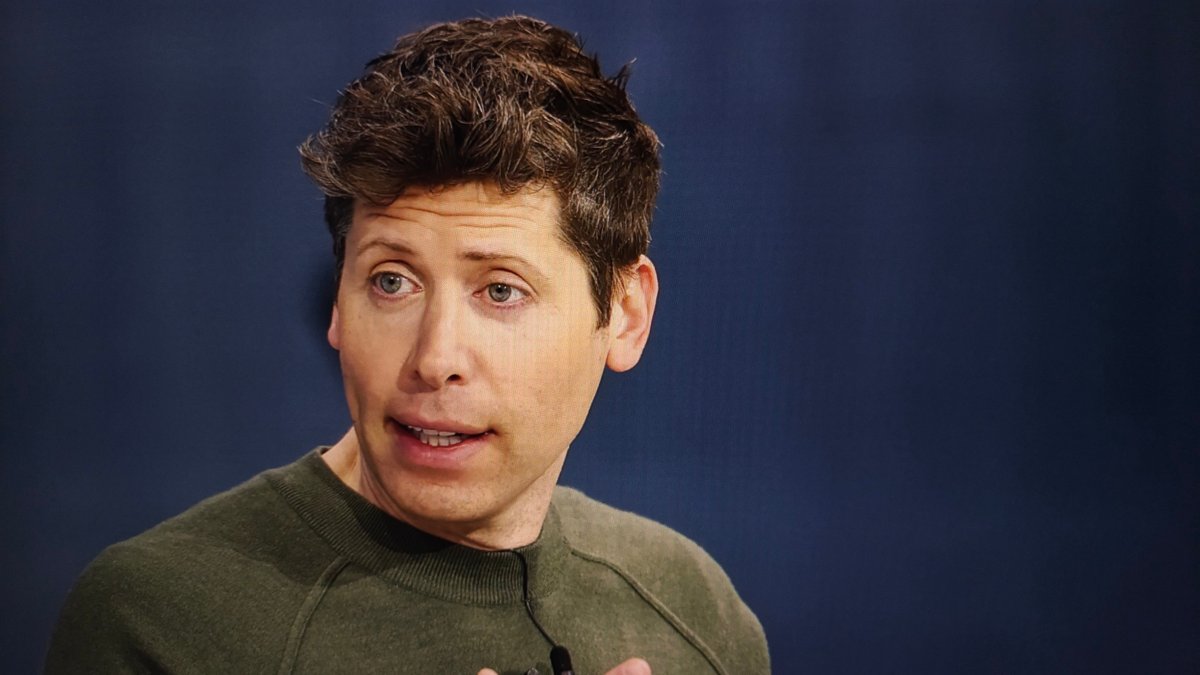
Amazon Cancels Altman Film Amid New Partnership
Amazon has pulled the plug on 'Artificial,' a film that was nearly done. It chronicles Sam Altman's rollercoaster time at OpenAI. This move comes right after Amazon's hefty investment in OpenAI, making you wonder how the film's story fits with Amazon's goals. Directed by Luca Guadagnino, the movie showcases the chaotic five-day stretch in November 2023 when Altman was fired and then quickly reinstated as CEO of OpenAI. Andrew Garfield plays Altman, while Ike Barinholtz takes on the role of Elon Musk.
There's a lot at stake: as Amazon boosts its AI ambitions, it seems to be distancing itself from a film that might not portray its partner in the best light.
How the Film 'Artificial' Captures Chaotic Moments at OpenAI
'Artificial' aims to capture those wild moments during Altman's leadership at OpenAI. According to Golem, the film recounts Altman's firing over accusations of lacking transparency and his shocking comeback just days later, spurred by employee threats to resign en masse. This drama not only shows internal strife at OpenAI but also raises questions about leadership in the fast-changing AI sector.
The film's take on Altman and Musk as less-than-favorable figures has drawn mixed reactions. Engadget reported that test screenings received varied responses, especially regarding these pivotal characters. These portrayals could complicate Amazon's efforts to keep a good relationship with OpenAI.
Compared to: 'The Social Network'
Comparing 'Artificial' to its closest predecessor, 'The Social Network,' directed by David Fincher, offers an interesting perspective. 'The Social Network' chronicled the rise of Facebook and its founder Mark Zuckerberg, portrayed by Jesse Eisenberg. Released in 2010, the film was both a critical and commercial success, grossing over $224 million worldwide against a $40 million budget. It was praised for its tight script and the intense portrayal of corporate and personal conflicts.
'Artificial,' on the other hand, was made with the backdrop of ongoing debates about AI ethics and transparency. In contrast to 'The Social Network's' focus on personal betrayal and ambition, 'Artificial' appears to delve into the ethical dilemmas of AI leadership. While 'The Social Network' arguably benefited from the distance of a few years from its events, 'Artificial' was set to release much closer to the actual events it depicted, adding a layer of immediacy—and controversy.
What Influenced Amazon's Decision to Change Course
Amazon's decision to ax 'Artificial' raises key questions. We don't know how closely Amazon tracked the film's story, but they had access to script revisions while Guadagnino was involved. This suggests the cancellation might be a strategic shift related to their partnership with OpenAI. The company stated, “We believe that 'Artificial' will be better served if it were released by a different studio and are working closely with the filmmaking team to find the film a new home.” Sounds more like a PR move than a genuine assessment of the film's potential.
The Amazon-OpenAI partnership involves not only a big investment but also a cloud services deal, using Amazon Web Services (AWS) for OpenAI's infrastructure needs. AWS is a major revenue stream for Amazon, generating approximately $80 billion annually. With such financial stakes, Amazon might want to steer clear of a project that could sway public perception of both entities.
Real Daily-Use Scenario: AI in Amazon's Ecosystem
To understand the implications of Amazon's decision, consider a real-world scenario involving Amazon's AI ecosystem. Imagine a small business using AWS to support its operations while integrating AI solutions from OpenAI. This partnership allows for seamless integration of advanced AI capabilities into their business processes, enhancing efficiency and innovation.
Now, imagine this business owner learns about 'Artificial,' a film potentially casting key figures in a negative light. This could influence their perception of the very technologies they rely on. Amazon, aware of such potential impacts, might see the film as a risk to its carefully cultivated image of reliability and innovation in AI.
Contrasting Narratives: Amazon's Film Strategy Versus OpenAI's Rise
By shelving 'Artificial,' Amazon's move highlights a broader conflict between its film ambitions and its AI goals. While the company aims to carve out a space in entertainment, its alliance with OpenAI seems to tilt priorities toward preserving a strong partnership rather than chasing box office success.
Golem points out that the film was almost finished, and early screenings had shown promise. So, Amazon's choice seems more about corporate alignment than the film's quality. Their respect for Guadagnino feels disingenuous next to their decision to abandon a project that could offer valuable insights into the AI landscape.
Amazon's action shows a shift from valuing storytelling to prioritizing business relationships, indicating a break from traditional film production models that celebrate narrative as a way to engage with current technology issues.
What This Means For You
For everyday tech consumers and professionals, this decision underscores the complex interplay between business strategy and creative expression. If you work in the tech industry, particularly in AI, it’s a reminder of the power dynamics at play. Companies may prioritize strategic partnerships and public perception over narratives that offer critical insights or spark debate.
For those in the film industry, it's a cautionary tale about the potential influence of corporate interests on storytelling. It highlights the need to navigate relationships with tech giants carefully, ensuring that creative projects can still bring meaningful stories to the audience.
Implications for Future Projects in the AI and Entertainment Space
The fallout from Amazon's decision to stop the Sam Altman film might extend beyond this one project. As tech and entertainment continue to blend, companies will need to tread carefully with their partnerships. With Amazon so closely tied to OpenAI, future projects that tackle AI narratives may face similar scrutiny.
This could lead to a chilling effect on storytelling in tech, where filmmakers might think twice about tackling controversial topics out of fear of upsetting powerful partners. The industry will need to find a balance between corporate interests and the need for authentic storytelling as AI becomes part of everyday life.
Looking forward, those in both tech and entertainment must figure out how partnerships shape creative expression. The cancellation of 'Artificial' reminds us that narratives don't always align with the interests of those who finance them.
What's Still Unclear
Despite Amazon's public comments, several questions linger. How much did the partnership with OpenAI play into this decision? Were there discussions about how the film portrayed key figures that led to this sudden halt? What studio would even consider picking up a project that casts major tech leaders in a negative light? These questions hang over the industry as it continues to evolve.
The lack of transparency in these discussions leaves room for speculation about the future of tech-related storytelling. Will studios become more cautious in their selection of stories that could conflict with corporate interests? Or will independent filmmakers rise to the challenge, finding new ways to tell these important stories?
A Closing Take
The pause on 'Artificial' highlights the complexities in navigating creative projects within tech when corporate interests come into play. As collaborations grow between major tech firms and the entertainment world, keeping artistic integrity in storytelling remains a challenge. Balancing corporate strategy with narrative authenticity is tricky, and the future of projects exploring the realities of technology, like AI, may depend on how these dynamics shift.
Anyone who's shipped hardware or software knows the importance of narrative in shaping public perception and driving adoption. As tech firms continue to expand into entertainment, they’ll need to balance the stories they sponsor with the partnerships they foster. The decision to cancel 'Artificial' serves as a reminder that in the tech-entertainment crossroads, the stakes are always high, and the outcomes often unpredictable.
Sources cross-referenced
This story was synthesised from reporting by 4 outlets:
Discuss this story
Got a take, a correction, or a follow-up tip? Reply where you read — we read everything.
Found an error? File a correction at /corrections. Substantive corrections are logged publicly.
One short email. The most important AI news, fact-checked, no fluff. Free, unsubscribe anytime.
More from AI
Perplexity Pro vs ChatGPT Plus: Which AI Assistant Fits Your Workflow?
This guide lays out the strengths and approaches of Perplexity Pro and ChatGPT Plus, helping you identify which AI assistant aligns with your specific needs.
Claude Pro vs Google Gemini Advanced: Which AI Assistant Deserves Your Subscription?
This definitive guide cuts through the marketing to give you a fair, balanced breakdown of Claude Pro and Gemini Advanced, letting you decide which AI best fits your workflow.
Claude Pro vs Google Gemini Advanced: Which AI Actually Earns Your Subscription?
Byte-Pulse lays out the real trade-offs between Claude Pro and Google Gemini Advanced, helping you pick the AI that fits your workflow, without picking for you.
ChatGPT Plus vs Google Gemini Advanced: Which AI Assistant Fits Your Workflow?
Deciding between ChatGPT Plus and Google Gemini Advanced? We break down the models, features, integrations, and pricing to help you align your choice with your specific priorities.
The Byte-Pulse Newsroom is the editorial system that produces Byte-Pulse's daily tech news coverage. Each story is cross-referenced across 3+ independent outlets, drafted with AI assistance by the newsroom system (Drafter → Editor → Fact-Checker → Polisher), and reviewed by Serhat Er, Editor-in-Chief, before publication. We disclose AI augmentation openly. Editorial accountability stays with the named editor on every article. Tips: editorial@byte-pulse.net.
Don’t miss these
Proton Mail vs Gmail: Which Email Service Fits Your Digital Life?
Unsure about Proton Mail vs Gmail? We break down security, features, pricing, and daily use so you can confidently pick the email service that aligns with your priorities.

Pokémon TCG Movie Signals Strategic Media Pivot for The Pokémon Company
A new Pokémon movie focused on the TCG is coming in 2027, marking a strategic pivot for the franchise as it navigates massive global fan engagement and logistical challenges.

Apple's AI Pivot: Vision Pro Content Cut, Siri Rebuilt Amid Layoffs
Apple's latest layoffs signal a strategic pivot, dialing back high-cost Vision Pro content while re-tooling Siri for the AI era. What's next for Apple?

Apple's 'Deep Discounts': US Inventory Flush, Not European Bargains
Byte-Pulse examines Apple's recent US sales, revealing that 'deep discounts' on popular devices like the iPhone 17 Pro and M3 iPad Air are less about consumer savings and more about clearing stock ahead of new launches. We critically assess whether these offers translate to real value for European buyers.

D23 2026: Disney's Content Deluge Sparks Questions About Strategy
Byte-Pulse cuts through D23 hype: We dissect Disney's ambitious content slate, from Simpsons: Hit & Run to Ahsoka season 2, and question the real-world implications and European market strategy.
GTA 6's Realism Gamble: Will Player Patience Pay Off?
Byte-Pulse examines GTA 6's shift to ultra-realism, from complex Wanted systems to car refueling, and questions if 'ambition' justifies potential player friction.