Googlebook Debuts with Gemini AI for Seamless Integration
Google's new notebooks feature Gemini AI, enhancing Chrome and Play apps.

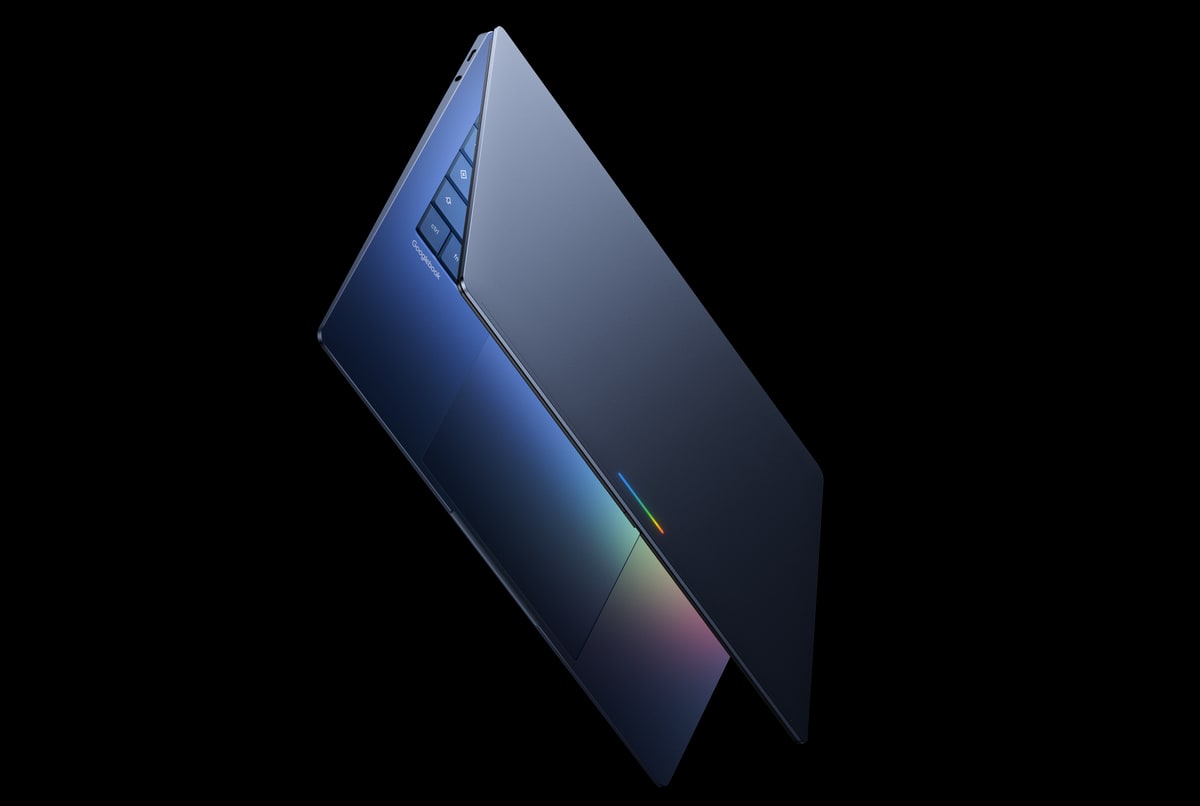
Google's introduction of the Googlebook marks a significant evolution in the landscape of cloud-oriented laptops. This new product line, infused with Google's advanced Gemini AI, aims to redefine user interaction by integrating intelligence directly into the core of its notebooks. Moving beyond the traditional Chromebook framework, Googlebook is designed to offer a more interactive and personalized user experience, aligning with the growing trend towards smarter and more integrated technological ecosystems.
Gemini Intelligence: The Heart of Googlebook
Gemini Intelligence is the centerpiece of Google's latest hardware innovation. This AI aims to deliver personalized, proactive assistance, fundamentally transforming how users engage with their devices. The hallmark feature, the 'Magic Pointer', provides context-aware suggestions that can streamline tasks and enhance productivity. For instance, hovering over a date in an email might automatically prompt Gemini to schedule a meeting, while selecting multiple images could trigger creative visualization suggestions. This level of intuitive interaction represents a leap forward in making technology more responsive and adaptive to user needs.
The development of Gemini reflects Google's broader strategy to integrate AI seamlessly into everyday tasks. As users become more accustomed to AI-driven features in their smartphones and other devices, the extension of these capabilities into laptops represents a natural progression. By embedding AI directly into the hardware, Google aims to set a new benchmark for what users can expect from their computing devices.
Customization with 'Create Your Widget'
Emphasizing personalization, the Googlebook introduces the 'Create Your Widget' feature. This tool allows users to craft custom widgets through simple prompts, echoing the customization options familiar to Android users. Whether users need a widget for quick web searches or a dashboard that aggregates services like Gmail and Google Calendar, the flexibility is there. Moreover, these widgets can be tailored to include countdowns or travel information, making the Googlebook a versatile tool for managing various aspects of digital life.
This personalization capability is particularly significant as it taps into the growing demand for devices that can adapt to individual needs rather than offering a one-size-fits-all solution. By enabling users to create bespoke interfaces, Google is catering to a market that values customization and control over their digital environments.
Seamless Android Integration
A standout feature of the Googlebook is its seamless integration with the Android ecosystem. Designed to work harmoniously with Android smartphones, the Googlebook allows users to run smartphone apps directly on the laptop or mirror them from the phone. This integration not only enhances productivity by reducing the need to switch between devices but also offers a unified user experience.
The ability to access smartphone files directly through the Googlebook's file browser is another boon for users, facilitating easy viewing and integration of mobile content. This feature is particularly appealing in professional settings, where quick access to files across devices can streamline workflows and improve efficiency.
Collaboration with Leading Hardware Partners
In developing the Googlebook, Google has partnered with major hardware manufacturers such as Acer, ASUS, Dell, HP, and Lenovo. This collaboration ensures a variety of form factors and sizes, catering to diverse user preferences. The first models are expected to launch by fall, featuring a distinctive design element known as the Glowbar—a functional light strip that sets these devices apart from their predecessors.
This strategic partnership mirrors Google's earlier success with Chromebooks, leveraging the expertise of established manufacturers to bring a new generation of devices to market. By working with trusted partners, Googlebook is poised to offer reliability and innovation in equal measure.
Context: The European Perspective
Googlebook's launch is timely, particularly within the European market, which is increasingly embracing AI technologies and seamless device ecosystems. With the European Union's strong focus on digital transformation and data privacy, Googlebook's integration of AI and cross-device compatibility could resonate well with European consumers. This move is part of Google's broader strategy to strengthen its presence in Europe, a region where technology integration and data privacy are pivotal considerations.
What This Means for You
For users deeply embedded in the Google ecosystem, the Googlebook offers a promising leap towards a more intelligent and cohesive computing experience. If you're already using Android devices, this new notebook could significantly streamline your digital interactions by bringing AI-driven assistance to your daily tasks. However, as with any new technology, pricing and regional availability remain key considerations as these devices begin to roll out.
- Personalized interaction: Enhanced through AI-driven features like the Magic Pointer.
- Customizable experience: With the ability to create personalized widgets.
- Seamless device integration: Works smoothly within the Android ecosystem.
What's Still Unclear
While the Googlebook introduces several exciting features, some questions remain unanswered. Specifics about pricing and detailed hardware specifications have not yet been disclosed. Additionally, it is uncertain how the Googlebook will distinguish itself from existing Chromebooks in terms of performance and capabilities. As the launch date approaches, more information will likely emerge, providing further clarity on these aspects.
A New Era of Intelligent Computing
Google's Googlebook, with its integrated Gemini AI, promises to deliver a smarter and more cohesive notebook experience. By embedding AI at the heart of its new devices, Google is enhancing functionality and setting a new standard for user expectations in computing. This innovation not only represents a shift in how consumers interact with technology but also paves the way for more intuitive and efficient digital environments. As the tech world continues to evolve, the Googlebook is a testament to the potential of AI-driven personal computing.
Discuss this story
Got a take, a correction, or a follow-up tip? Reply where you read — we read everything.
Found an error? File a correction at /corrections. Substantive corrections are logged publicly.
One short email. The most important AI news, fact-checked, no fluff. Free, unsubscribe anytime.
More from AI
Perplexity Pro vs ChatGPT Plus: Which AI Assistant Fits Your Workflow?
This guide lays out the strengths and approaches of Perplexity Pro and ChatGPT Plus, helping you identify which AI assistant aligns with your specific needs.
Claude Pro vs Google Gemini Advanced: Which AI Assistant Deserves Your Subscription?
This definitive guide cuts through the marketing to give you a fair, balanced breakdown of Claude Pro and Gemini Advanced, letting you decide which AI best fits your workflow.
Claude Pro vs Google Gemini Advanced: Which AI Actually Earns Your Subscription?
Byte-Pulse lays out the real trade-offs between Claude Pro and Google Gemini Advanced, helping you pick the AI that fits your workflow, without picking for you.
ChatGPT Plus vs Google Gemini Advanced: Which AI Assistant Fits Your Workflow?
Deciding between ChatGPT Plus and Google Gemini Advanced? We break down the models, features, integrations, and pricing to help you align your choice with your specific priorities.
The Byte-Pulse Newsroom is the editorial system that produces Byte-Pulse's daily tech news coverage. Each story is cross-referenced across 3+ independent outlets, drafted with AI assistance by the newsroom system (Drafter → Editor → Fact-Checker → Polisher), and reviewed by Serhat Er, Editor-in-Chief, before publication. We disclose AI augmentation openly. Editorial accountability stays with the named editor on every article. Tips: editorial@byte-pulse.net.
Don’t miss these
Motorola Edge 60 Ultra vs OnePlus 13: Which Android Flagship Fits Your Priorities?
Motorola Edge 60 Ultra and OnePlus 13 both aim for top-tier Android. We cut through the marketing to reveal the true differences, helping you choose.
Proton VPN vs NordVPN: Which One Earns Your Subscription?
A deep dive into Proton VPN and NordVPN, comparing their privacy, performance, features, and value, helping you make an informed decision.

Pokémon TCG Movie Signals Strategic Media Pivot for The Pokémon Company
A new Pokémon movie focused on the TCG is coming in 2027, marking a strategic pivot for the franchise as it navigates massive global fan engagement and logistical challenges.

Apple's AI Pivot: Vision Pro Content Cut, Siri Rebuilt Amid Layoffs
Apple's latest layoffs signal a strategic pivot, dialing back high-cost Vision Pro content while re-tooling Siri for the AI era. What's next for Apple?

D23 2026: Disney's Content Deluge Sparks Questions About Strategy
Byte-Pulse cuts through D23 hype: We dissect Disney's ambitious content slate, from Simpsons: Hit & Run to Ahsoka season 2, and question the real-world implications and European market strategy.
Sony Xperia 1 VII vs iPhone 18 Pro: Which Flagship Fits Your Creative Flow?
Deciding between Sony's creator-centric Xperia 1 VII and Apple's powerful iPhone 18 Pro? We break down every spec and feature, neutrally.