OpenEmu-Silicon: Enhancing Retro Gaming on Apple Silicon
New native support for Apple Silicon amps up OpenEmu, bringing better performance to retro game fans.

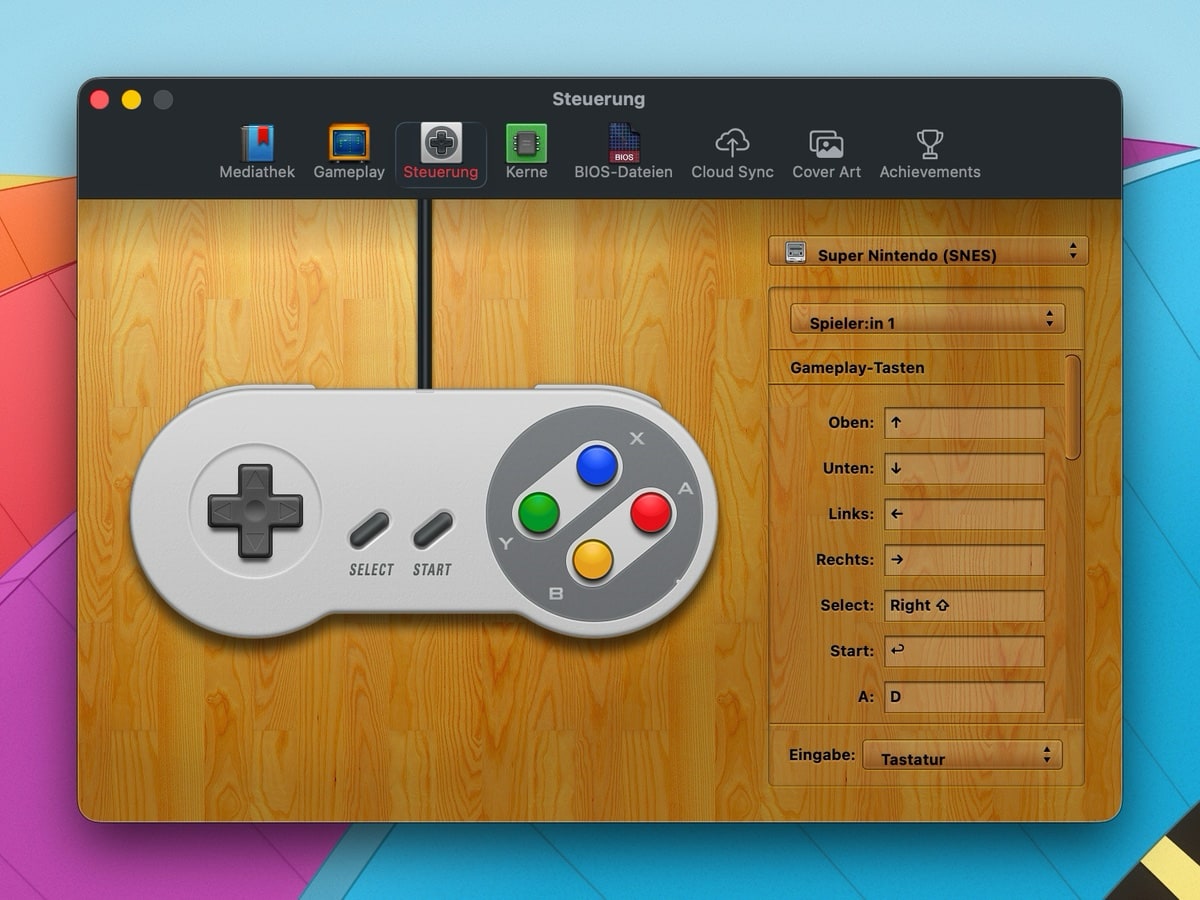
OpenEmu-Silicon: A New Era for Retro Gaming on Apple Silicon
In the realm of retro gaming on macOS, OpenEmu has long been a cherished tool for enthusiasts looking to relive the nostalgia of classic games. However, the transition from Intel-based Macs to the new Apple Silicon architecture has presented both challenges and opportunities for software developers, including those behind OpenEmu. With the release of OpenEmu-Silicon, a community-driven fork of the original, the retro gaming experience on Apple's ARM-based architecture is poised for a significant upgrade.
Context: The Shift to Apple Silicon
Apple's strategic pivot from Intel processors to its own ARM-based chips, branded as Apple Silicon, is a transformative shift in the tech industry, with far-reaching implications. This change is not just about improved power efficiency and performance but also about redefining how software interacts with hardware. Developers are racing to optimize their applications for native performance on these new chips. While Apple's Rosetta 2 translation layer offers a temporary bridge by allowing Intel-based applications to run on Apple Silicon, it's a stopgap solution. The tech community anticipates that Rosetta won't be supported indefinitely, adding urgency to the need for native app optimization.
Native Performance Boost
The transition to ARM64 architecture with OpenEmu-Silicon is more than just a technical reconfiguration; it represents a significant leap in performance. By running natively on Apple Silicon, OpenEmu-Silicon reduces system load and allows emulation cores to directly harness the capabilities of Apple's M1 and M2 chips. This shift from the older OpenGL graphics technology to Apple's Metal API enhances graphics performance, resulting in smoother gameplay with better frame rates, especially for demanding titles from consoles like the PlayStation and Dreamcast. This native support is crucial as it not only optimizes performance but also diminishes the heat generation, ensuring a more reliable gaming experience.
For Mac gaming enthusiasts, these improvements mean a more immersive and responsive experience, bringing classic titles to life with all the richness of modern hardware capabilities. As Apple continues to refine its silicon, users can expect further enhancements in emulation performance, positioning macOS as a competitive platform for retro gaming.
New Features and Improvements
OpenEmu-Silicon isn't just about improved performance; it introduces a suite of new features designed to enhance the user experience. The latest version, 1.0.7, brings in RetroAchievements, enabling players to earn trophies and achievements across nine supported cores, including beloved systems like the SNES and Sega Mega Drive. This feature adds a contemporary twist to playing classic games, providing a sense of progression and accomplishment.
Another notable improvement is the core selection flexibility. Gamers can now quickly switch between different emulation cores for each gaming session with a simple right-click, without altering their default settings. This allows for a more personalized gaming experience, catering to the preferences of different players. Additionally, OpenEmu-Silicon supports over 30 gaming systems, though some like GameCube, Wii, and Nintendo DS are still in development.
Here's a brief look at what version 1.0.7 offers:
- RetroAchievements for nine different cores
- Core selection flexibility for per-session customization
- Support for over 30 gaming systems
Such features make OpenEmu-Silicon not just a tool but a platform for both nostalgia and exploration.
Challenges and Considerations
While OpenEmu-Silicon offers significant advancements, transitioning from the original OpenEmu is not without its challenges. One primary concern is compatibility with previous save states. Users migrating from the older version may find that their save states are incompatible, possibly leading to crashes or data loss. To mitigate this risk, the application warns users upon first launch to back up their data, emphasizing the importance of precautionary measures.
Moreover, as the software landscape shifts, questions about future support and development remain. The timeline for full support of systems like GameCube and Wii is still uncertain, and users are eager to see if further advanced features will be introduced.
What This Means for You
For retro gaming aficionados using macOS, OpenEmu-Silicon represents a significant enhancement to their gaming arsenal. By optimizing for Apple Silicon, this fork ensures that classic games run more smoothly and efficiently on modern Macs, preserving the nostalgia of retro gaming while harnessing the power of new technologies. The updates and features not only enrich the gaming experience but also make it more accessible and enjoyable.
For those who have been waiting for macOS to catch up with Windows and Linux in terms of emulation, OpenEmu-Silicon is a promising development. It underscores the potential of Apple's hardware when leveraged correctly, offering a compelling reason for retro gamers to consider macOS as a viable platform.
What's Still Unclear
Despite the progress, several questions linger in the community. Will Apple maintain Rosetta 2 support longer than expected, or will it phase it out sooner, pushing all software to go native? Furthermore, how long will it take to fully develop support for systems like GameCube and Wii, which remain in progress? And finally, what other advanced features might the community introduce in future updates?
These uncertainties highlight the evolving nature of software development on macOS and the community-driven efforts to adapt and innovate.
Editorial Take
OpenEmu-Silicon is a testament to the dedication of the retro gaming community and its ability to adapt to new technological landscapes. By focusing on native performance and user-friendly features, it not only preserves but enhances the legacy of classic gaming on macOS. As Apple continues its push into the ARM architecture, tools like OpenEmu-Silicon play a crucial role in bridging the past with the future, ensuring that the joy of retro gaming remains accessible and vibrant on modern platforms.
Discuss this story
Got a take, a correction, or a follow-up tip? Reply where you read — we read everything.
Found an error? File a correction at /corrections. Substantive corrections are logged publicly.
One short email. The most important Software news, fact-checked, no fluff. Free, unsubscribe anytime.
More from Software
Proton VPN vs NordVPN: Which One Earns Your Subscription?
A deep dive into Proton VPN and NordVPN, comparing their privacy, performance, features, and value, helping you make an informed decision.
Notion vs Obsidian: Which Knowledge Hub Fits Your Workflow?
Deciding between Notion and Obsidian? We break down the core differences in philosophy, data ownership, collaboration, and extensibility to help you choose.
Proton Mail vs Gmail: Which Email Service Fits Your Digital Life?
Unsure about Proton Mail vs Gmail? We break down security, features, pricing, and daily use so you can confidently pick the email service that aligns with your priorities.

Apple's Beta Updates: Enhancements, Challenges, and Future Outlook
Exploring the latest beta updates from Apple for tvOS, macOS, and visionOS, including key features and performance issues.
The Byte-Pulse Newsroom is the editorial system that produces Byte-Pulse's daily tech news coverage. Each story is cross-referenced across 3+ independent outlets, drafted with AI assistance by the newsroom system (Drafter → Editor → Fact-Checker → Polisher), and reviewed by Serhat Er, Editor-in-Chief, before publication. We disclose AI augmentation openly. Editorial accountability stays with the named editor on every article. Tips: editorial@byte-pulse.net.
Don’t miss these
PlayStation 5 Pro vs Nintendo Switch 2: Powerhouse or Portable Prowess?
Don't buy until you read this. We cut through the hype to lay out the real trade-offs between Sony's next powerhouse and Nintendo's anticipated hybrid.
Apple M5 Pro vs. Apple M4 Pro: Projecting the Next Generation of Apple Silicon
We project the likely advancements of the unannounced M4 Pro and M5 Pro chips, offering a balanced, speculative look at future performance and efficiency.
Asus ROG Phone 9 vs Sony Xperia 1 VII: Which Niche Flagship Earns Your Money?
Deciding between the gaming-focused ROG Phone 9 and the creator-centric Xperia 1 VII? This guide breaks down every spec to help you choose.
AMD Ryzen 7 9800X3D vs Intel Core Ultra 7 265K: Which Chip Drives Your Next Build?
Deciding between AMD's V-Cache prowess and Intel's new Ultra architecture? This guide cuts through the noise to show you what each CPU truly offers for your money.
Honor Magic 8 Pro vs Samsung Galaxy S26 Ultra: Which Future Flagship Fits Your Wallet and Workflow?
Deciding between the anticipated Honor Magic 8 Pro and Samsung Galaxy S26 Ultra? Our deep dive into expected specs and features provides the fair comparison you need.
AMD Ryzen 9 9950X3D vs Intel Core Ultra 9 285K: Next-Gen Desktop Showdown
A deep dive into the expected strengths of AMD's Zen 5 X3D and Intel's next-gen Core Ultra K-series, laying out the trade-offs for serious buyers.