Smart Meter Failures in Germany Could Mean Compensation for Users
Consumer advocates push for compensation when smart meters fail, citing financial drawbacks for users.

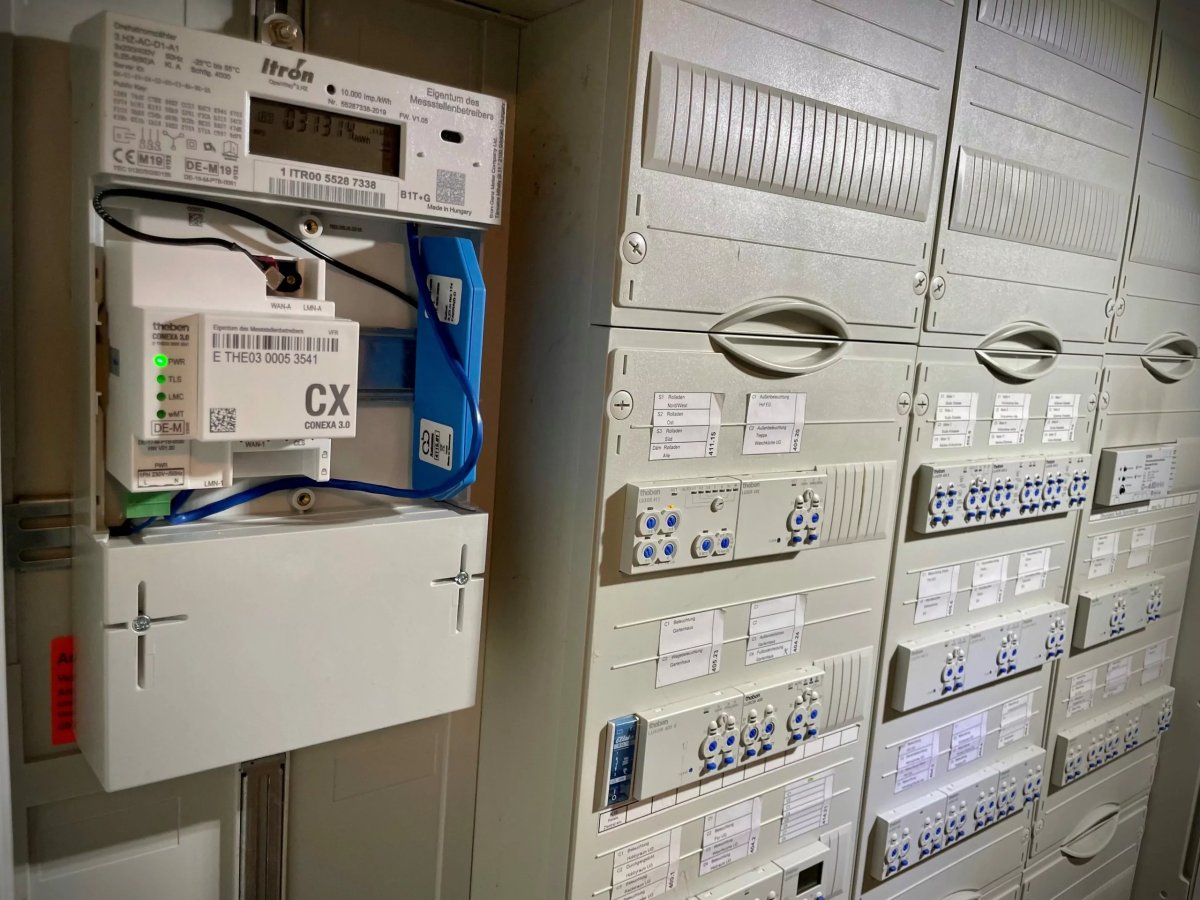
Got a smart meter in Germany? Having trouble with it? You might soon be owed some cash. The Verbraucherzentrale Bundesverband (VZBV), a German consumer advocacy group, is pushing for financial compensation when these meters just don't work right.
This isn’t a new problem, by the way. Smart meters, which are supposed to give you real-time energy data, often sit there doing nothing for months. Even years, sometimes, after they’ve been installed. That’s a real headache for anyone trying to switch to dynamic electricity tariffs, those plans that track market prices. If your smart meter isn’t working, you can’t switch. You’re just stuck paying more.
Marie Barz, an energy market observation officer at VZBV, says reliability is key. "For consumers, it’s essential that a smart meter not only gets installed but also works reliably," she noted. And honestly, these things have been pretty messy since day one. We’re talking mixed-up meter numbers, data going to the wrong place. You name it.
Smart meters are supposed to be a cornerstone of Germany’s transition to a more flexible and efficient energy system. They allow users to adjust their consumption based on real-time data, potentially lowering costs and reducing strain on the grid. Theoretically, they’re a win-win for both consumers and providers. However, when these devices fail to function properly, they not only render these benefits moot but also create financial headaches for consumers.
The Financial Impact
Those smart meter glitches? They can hit your wallet, big time. Especially if you’re on a dynamic tariff. Delays in switching plans because a meter isn’t working mean higher energy bills for some. Figuring out the exact financial hit, though? That’s tough. So the VZBV wants a flat-rate compensation model. The responsible party – meter operator or utility – would just pay up. No elaborate claims needed.
For instance, let's say you're planning to switch to a dynamic tariff that could potentially save you €100 annually. If your smart meter fails, and you're unable to make the switch for a year, that's €100 essentially lost. Multiply that potential loss across thousands of households, and the impact becomes substantial. The VZBV's proposed compensation model seeks to address this by offering consumers a straightforward remedy without the hassle of complex claims procedures.
Underlying Causes
So what’s really going on? The VZBV points to a few core problems in Germany:
- Distribution network operators? They’re often slow to respond, or just don’t.
- We’re talking around 850 network operators here. All at different stages of rolling this tech out.
- Market communication between all these players? It’s complex. And prone to errors.
The sheer number of operators—each with its own systems and timelines—creates a fragmented market. This fragmentation can lead to inconsistencies in how smart meters are deployed and maintained. In some cases, this results in data being sent to the wrong utility or not being sent at all, leaving consumers in the dark both literally and figuratively.
The VZBV thinks there’s a pretty clear solution: look at telecoms. If your internet’s out and the provider doesn’t fix it fast, you get compensated. That’s § 58 of the Telecommunications Act. Why not use that as a template for smart meters?
Context
This push for smart meter compensation isn’t happening in a vacuum. It’s part of a bigger European trend to boost consumer rights and make energy more efficient. The continent’s going all-in on smart tech, so making sure it actually works? That’s vital. Germany, with its tons of energy providers and complicated market, has some pretty unique hurdles here.
Germany’s Energiewende, or energy transition, aims for a more sustainable, low-carbon energy system. Smart meters are a critical part of this shift, enabling more efficient energy use and integration of renewable sources. However, the transition is not without its challenges, and smart meter reliability has emerged as a significant roadblock.
What this means for you
So, if you’re a German consumer wrestling with your smart meter, this advocacy could actually mean real money back. For the hassle. For the lost cash. These proposed changes could also push meter operators and utilities to finally offer better service. A win-win, maybe.
In practical terms, a reliable compensation system could incentivize better performance across the board. If operators know they’ll be on the hook financially for failures, they might prioritize faster responses and more robust infrastructure. For consumers, it could mean fewer disruptions and more confidence in switching to dynamic tariffs and engaging more actively with the energy market.
What’s still unclear
How fast will these payouts happen? And who’s footing the bill? We don’t know yet. The exact compensation amounts and who qualifies? Still up in the air.
These are critical details. For a compensation model to be effective, it must be transparent and easily accessible. Questions remain about how compensation amounts will be calculated and whether all affected consumers will be eligible or only those who can demonstrate a specific financial loss.
Why this matters
"Smart meter failures could soon lead to user compensation in Germany." That quote? It really highlights a growing demand for accountability in tech services. Europe's pushing for smarter energy, no doubt. But consumer protection? That’s still a huge, critical piece of the puzzle.
As Europe moves towards a more digital and interconnected energy grid, ensuring that smart technology works as intended is crucial. The push for compensation is not just about financial redress; it’s about setting a precedent for quality and reliability in emerging technologies. In this way, it serves as a wake-up call to technology providers and regulators alike to prioritize consumer interests as they drive forward with ambitious energy reforms.
Discuss this story
Got a take, a correction, or a follow-up tip? Reply where you read — we read everything.
Found an error? File a correction at /corrections. Substantive corrections are logged publicly.
One short email. The most important Hardware news, fact-checked, no fluff. Free, unsubscribe anytime.
More from Hardware

Apple's AI Pivot: Vision Pro Content Cut, Siri Rebuilt Amid Layoffs
Apple's latest layoffs signal a strategic pivot, dialing back high-cost Vision Pro content while re-tooling Siri for the AI era. What's next for Apple?

Povasee A30 Jump Starter: A 50-Euro Deal With 5,000A Claims Under Scrutiny
The Povasee A30 jump-start power bank, on offer at Amazon for under 50 Euros, claims 5,000A peak current. We scrutinize this deal against real-world expectations.

Ugreen's 200W Charger: Powerhouse or Marketing Hype?
We analyze the Ugreen 200W charger's technical prowess, real-world utility, and the Amazon deal, highlighting its strengths and limitations

Victorinox Amazon Deals: Tactics or True Value?
Byte-Pulse examines Amazon's Victorinox deals, dissecting the true value of the Swiss Card Lite and Synergy X Alox against market trends.
The Byte-Pulse Newsroom is the editorial system that produces Byte-Pulse's daily tech news coverage. Each story is cross-referenced across 3+ independent outlets, drafted with AI assistance by the newsroom system (Drafter → Editor → Fact-Checker → Polisher), and reviewed by Serhat Er, Editor-in-Chief, before publication. We disclose AI augmentation openly. Editorial accountability stays with the named editor on every article. Tips: editorial@byte-pulse.net.
Don’t miss these
Asus ROG Phone 9 vs Sony Xperia 1 VII: Which Niche Flagship Earns Your Money?
Deciding between the gaming-focused ROG Phone 9 and the creator-centric Xperia 1 VII? This guide breaks down every spec to help you choose.
Proton VPN vs NordVPN: Which One Earns Your Subscription?
A deep dive into Proton VPN and NordVPN, comparing their privacy, performance, features, and value, helping you make an informed decision.
Perplexity Pro vs ChatGPT Plus: Which AI Assistant Fits Your Workflow?
This guide lays out the strengths and approaches of Perplexity Pro and ChatGPT Plus, helping you identify which AI assistant aligns with your specific needs.

Pokémon TCG Movie Signals Strategic Media Pivot for The Pokémon Company
A new Pokémon movie focused on the TCG is coming in 2027, marking a strategic pivot for the franchise as it navigates massive global fan engagement and logistical challenges.
Honor Magic 8 Pro vs Samsung Galaxy S26 Ultra: Which Future Flagship Fits Your Wallet and Workflow?
Deciding between the anticipated Honor Magic 8 Pro and Samsung Galaxy S26 Ultra? Our deep dive into expected specs and features provides the fair comparison you need.
Notion vs Obsidian: Which Knowledge Hub Fits Your Workflow?
Deciding between Notion and Obsidian? We break down the core differences in philosophy, data ownership, collaboration, and extensibility to help you choose.