Sony Uses AI to Enhance Game Development at PlayStation Studios
Sony's using generative AI to quicken game creation, ensuring human creativity stays at the helm.

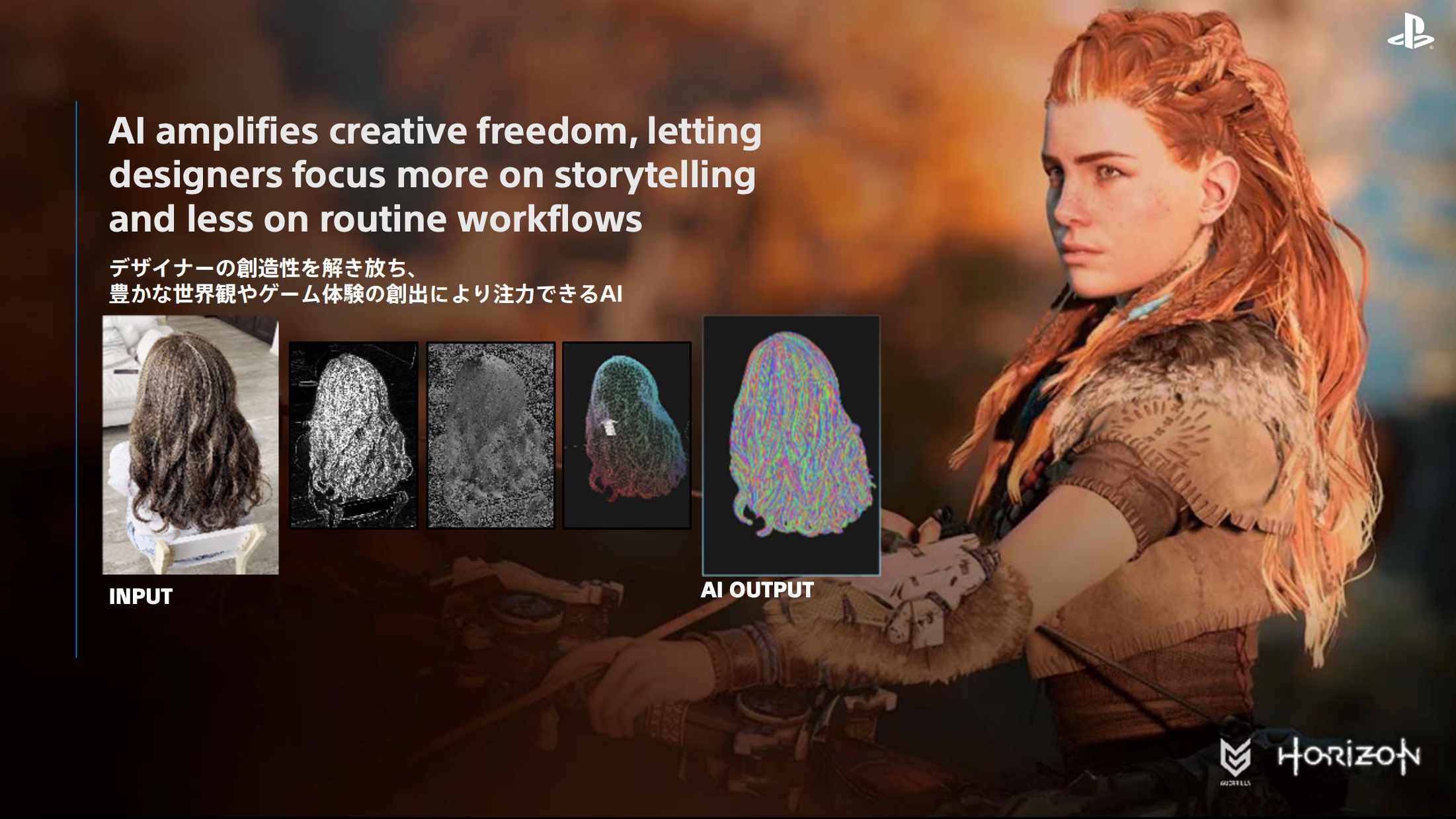
Sony Uses AI to Enhance Game Development at PlayStation Studios
Sony's PlayStation Studios is taking a bold step into the future by integrating generative AI technologies into their game development process. This move is designed to speed up production timelines while simultaneously supporting the creative visions of developers. Hiroki Totoki, CEO of Sony Interactive Entertainment, has emphasized that this technology is not intended to replace human ingenuity but to augment it. According to Totoki, AI can take over tedious and repetitive tasks, allowing developers to focus more on crafting immersive and engaging gaming experiences.
AI in Game Development
The integration of AI into game development at Sony is multifaceted, encompassing a range of tasks that traditionally consumed significant time and resources. For instance, AI technology such as Mockingbird is revolutionizing the way facial models are created from performance-capture data. This innovation is already in use by renowned studios like Naughty Dog and has been demonstrated in titles such as "Horizon Zero Dawn Remastered."
Another area where AI is making its mark is in the animation of hair, a task that historically required meticulous attention to detail, dealing with hundreds of individual strands. AI streamlines this process, saving time and effort while maintaining quality. Additionally, Sony's proprietary PlayStation Spectral Super Resolution (PSSR) uses AI to enhance visual fidelity, providing gamers with a more visually compelling experience.
Context
The gaming industry has been progressively exploring the potential of AI to transform development processes. In Europe, and particularly within the EU, there's a growing interest in how AI can boost creative industries while navigating ethical considerations. The use of AI in game development reflects a broader trend of integrating advanced technologies to optimize creative workflows, a phenomenon that is being closely watched by regulators and industry stakeholders alike.
Background: The Debate Around AI
Despite its potential, the incorporation of generative AI in game development isn't without controversy. The gaming industry has seen its share of debates over AI's role, spurred by incidents such as the "Crimson Desert" case, where AI-generated elements were unintentionally left in the game. These situations highlight ongoing challenges related to quality control and the ethical implications of AI in creative processes.
The industry is cautiously optimistic about AI's ability to streamline development. However, there is a lingering concern that AI could lead to workforce reductions, as companies might be tempted to rely more heavily on automated processes. This concern is not unfounded, as history has shown that technological advancements can lead to changes in workforce dynamics.
What This Means for You
For gamers, the integration of AI in development promises richer, more immersive worlds and faster release cycles for new titles. Players can anticipate more lifelike characters and environments as AI takes on tasks that enhance visual and interactive elements. However, the shift also raises questions about how these changes will affect the gaming experience—will AI-generated content feel as nuanced and engaging as that crafted entirely by human hands?
For industry professionals and aspiring game developers, the rise of AI signifies a shift in the skills that may be valued. There could be a greater emphasis on AI literacy alongside traditional programming and creative skills. Staying abreast of these technological trends could be crucial for career development in the gaming sector.
What's Still Unclear
Several questions remain unanswered as Sony and others forge ahead with AI integration. One major concern is how AI will impact job security for developers. Will AI complement their efforts, or could it lead to reductions in the workforce? Furthermore, what measures will be in place to ensure that AI-generated content aligns with the quality and creativity standards expected by both developers and players?
There's also the question of how player communities will react to AI's growing presence in their favorite games. While some may welcome the enhanced graphics and faster production timelines, others might be wary of AI's ability to replicate the depth and authenticity of human-created content.
Why This Matters
The introduction of AI into game development at Sony's PlayStation Studios is poised to have significant implications for the industry. Beyond enhancing creative capabilities, AI has the potential to set new standards for efficiency and innovation. However, it's important to balance these advancements with considerations of job security and the artistic integrity of games.
As AI continues to evolve, its role in gaming could influence other creative fields, setting trends that extend beyond the realm of interactive entertainment. The ongoing dialogue around AI's integration will be crucial in shaping how these technologies are adopted and regulated across industries.
In closing, Sony's embrace of AI in game development reflects a broader technological shift that could redefine the future of gaming. While there are challenges to address, the potential benefits for creativity and production efficiency cannot be overlooked. As the industry navigates this complex landscape, the key will be ensuring that the human touch remains at the heart of game development, even as AI takes on a larger role.
Best-selling controllers, headsets and storage for your next session.
Shop gaming gear →Discuss this story
Got a take, a correction, or a follow-up tip? Reply where you read — we read everything.
Found an error? File a correction at /corrections. Substantive corrections are logged publicly.
One short email. The most important Gaming news, fact-checked, no fluff. Free, unsubscribe anytime.
More from Gaming

Pokémon TCG Movie Signals Strategic Media Pivot for The Pokémon Company
A new Pokémon movie focused on the TCG is coming in 2027, marking a strategic pivot for the franchise as it navigates massive global fan engagement and logistical challenges.

GTA 6's Realism Gamble: Will Player Patience Pay Off?
Byte-Pulse examines GTA 6's shift to ultra-realism, from complex Wanted systems to car refueling, and questions if 'ambition' justifies potential player friction.

Rockstar's Netflix Gambit: A 'New Thing' or Calculated Content Gate?
Rockstar Games initiated the Netflix exclusive 'extended look' for GTA 6, drawing ire from fans. We dissect the strategy and its implications.

GTA VI: Beyond the Hype - Costs, Console Choices, and Cyber Threats
Byte-Pulse examines GTA VI's colossal scope, the practicalities of console choice, and the digital dangers lurking beneath the launch hype.
The Byte-Pulse Newsroom is the editorial system that produces Byte-Pulse's daily tech news coverage. Each story is cross-referenced across 3+ independent outlets, drafted with AI assistance by the newsroom system (Drafter → Editor → Fact-Checker → Polisher), and reviewed by Serhat Er, Editor-in-Chief, before publication. We disclose AI augmentation openly. Editorial accountability stays with the named editor on every article. Tips: editorial@byte-pulse.net.
Don’t miss these
OnePlus 14 vs Samsung Galaxy S26: Which Flagship Earns Your Hard-Earned Cash?
Deciding between the OnePlus 14 and Samsung Galaxy S26? This guide cuts through the noise, laying out the facts so you can pick the perfect phone for your priorities.
Proton VPN vs NordVPN: Which One Earns Your Subscription?
A deep dive into Proton VPN and NordVPN, comparing their privacy, performance, features, and value, helping you make an informed decision.
Perplexity Pro vs ChatGPT Plus: Which AI Assistant Fits Your Workflow?
This guide lays out the strengths and approaches of Perplexity Pro and ChatGPT Plus, helping you identify which AI assistant aligns with your specific needs.

Apple's AI Pivot: Vision Pro Content Cut, Siri Rebuilt Amid Layoffs
Apple's latest layoffs signal a strategic pivot, dialing back high-cost Vision Pro content while re-tooling Siri for the AI era. What's next for Apple?

D23 2026: Disney's Content Deluge Sparks Questions About Strategy
Byte-Pulse cuts through D23 hype: We dissect Disney's ambitious content slate, from Simpsons: Hit & Run to Ahsoka season 2, and question the real-world implications and European market strategy.
Nothing Phone 4 vs Google Pixel 11: Looking Ahead to the Next Generation
A speculative deep dive into what the Nothing Phone 4 and Google Pixel 11 might bring, offering a balanced look at their likely strengths and trade-offs for future buyers.