Xreal Project Aura Smartglasses Showcase Android XR Ambitions
Xreal's Project Aura brings a pro-level AR experience with Android XR tech.

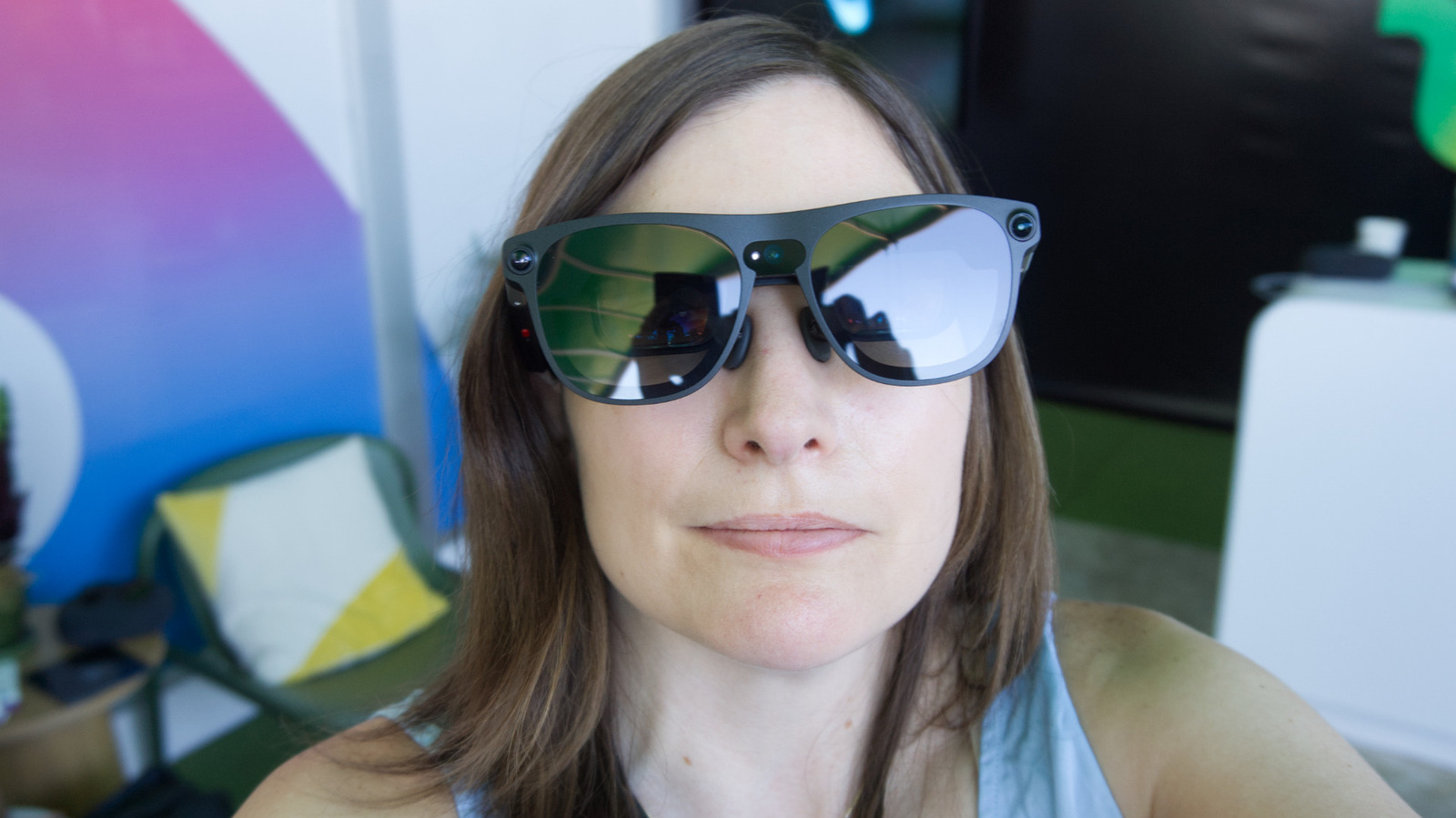
Xreal's taking a big swing with its new Project Aura smartglasses. These aren't just typical AR eyewear; Xreal wants to push Android XR past anything we've seen. These glasses? They're not for casual users. Think deep immersion, especially for entertainment. Forget those minimalist audio-only glasses from Warby Parker. Aura's going maximalist, loaded with features for serious tech heads.
A Maximalist Vision for AR
Project Aura is built on the bones of Xreal's One Pro, but it's taking things to the next level. Imagine three cameras: two on the sides for hand tracking and one in the middle for photos and video. This setup, while seemingly simple, is a powerhouse for AR interaction. The real showstopper is the 70-degree field of view display. It's sharp and vivid, even in the brightness of the day. So whether you’re watching YouTube videos or browsing the web, everything looks seamless and immersive.
This isn't just a vision of tech; it's a leap forward. "Project Aura is not just another pair of smartglasses; it's a leap forward in XR technology," said a representative from Xreal. Gesture controls are the highlight here. Imagine using familiar pinching motions to interact with digital content. The glasses detect hand movements reliably, making resizing and moving virtual windows as easy as swiping on a smartphone.
Tethered Power and Unique Features
Unlike earlier Xreal models, Aura needs a tethered connection to a portable puck, reminiscent of Apple's Vision Pro setup. This phone-sized puck isn't just a connector; it houses a trackpad and a fingerprint sensor, although these were non-functional during the demo. The puck also tended to heat up, a common issue in powerful portable computing devices, indicating the intense processing power required to drive such immersive experiences.
Xreal isn't just relying on third-party apps to showcase Aura. They've developed proprietary applications specifically designed to highlight the glasses' capabilities. One standout is an AR drawing app, which allows users to create in virtual space. Then there's "Gemini Molecule," an innovative tool that pushes the glasses' multimodal potential. Imagine interacting with objects and visualizing molecular structures right in front of you. It's a glimpse into how professionals in fields like chemistry and education might leverage these glasses for real-world applications.
Context: Europe's AR Landscape
Let's talk about Europe, where AR adoption is steadily growing. Project Aura could be a strong contender against big names like Samsung, especially as the EU continues to emphasize digital skills and tech integration across industries. Europe's focus on innovation and technology makes it fertile ground for Xreal to expand its footprint and influence. The continent’s investment in digital transformation could provide a boost to AR initiatives, making Project Aura a potentially lucrative venture.
What This Means for You
So, what's this mean for you? If you're a tech enthusiast or developer, Aura could be a game-changer. It offers a lighter, more portable option than those bulky XR headsets currently on the market. By providing a platform for developing advanced AR applications, Aura opens doors for creative minds to explore new possibilities in virtual and augmented realities.
However, with the One Pro priced at $650, Aura’s advanced features likely come with a higher price tag. This means you should be prepared for a premium investment if you want to experience the cutting-edge of AR technology. For everyday users, the question remains whether these glasses can offer compelling enough use cases to justify the cost.
What's Still Unclear
Despite the excitement, there are still a lot of unknowns. Pricing, battery life, and full technical specifications remain under wraps. How will Aura handle different environments, and what will its impact be on other XR devices? These glasses promise a lot, but without detailed information, it’s hard to gauge how they’ll perform in real-world scenarios. Will the puck’s heat issues be resolved, and how will this affect long-term use?
Why This Matters
"Xreal's Project Aura redefines what's possible with Android XR, pushing the boundaries of AR technology." This statement isn’t just about marketing; it highlights a shift in how we interact with technology. Aura is a pro-level device with portable, powerful features, setting a new benchmark for smartglasses. As AR technology evolves, Aura could open the door for wider adoption and spur innovation across the industry.
For developers, it’s an opportunity to create new applications that could redefine how we interact with the digital world. For consumers, it represents a step toward more integrated and seamless technology experiences. As Xreal continues to push the envelope, the impact of Project Aura could be significant, potentially influencing future developments in the XR landscape. It’s a big deal, actually, and one worth watching as it unfolds.
Cases, chargers and AirPods alternatives the editors actually use.
Shop mobile gear →Discuss this story
Got a take, a correction, or a follow-up tip? Reply where you read — we read everything.
Found an error? File a correction at /corrections. Substantive corrections are logged publicly.
One short email. The most important Mobile news, fact-checked, no fluff. Free, unsubscribe anytime.
More from Mobile
Asus ROG Phone 9 vs Sony Xperia 1 VII: Which Niche Flagship Earns Your Money?
Deciding between the gaming-focused ROG Phone 9 and the creator-centric Xperia 1 VII? This guide breaks down every spec to help you choose.
Honor Magic 8 Pro vs Samsung Galaxy S26 Ultra: Which Future Flagship Fits Your Wallet and Workflow?
Deciding between the anticipated Honor Magic 8 Pro and Samsung Galaxy S26 Ultra? Our deep dive into expected specs and features provides the fair comparison you need.
Xiaomi 16 Pro vs iPhone 18 Pro: Which Flagship Fits Your World?
Deciding between the Xiaomi 16 Pro and iPhone 18 Pro? We break down every spec and trade-off, so you can make the choice that's right for you.
Motorola Edge 60 Ultra vs OnePlus 13: Which Android Flagship Fits Your Priorities?
Motorola Edge 60 Ultra and OnePlus 13 both aim for top-tier Android. We cut through the marketing to reveal the true differences, helping you choose.
The Byte-Pulse Newsroom is the editorial system that produces Byte-Pulse's daily tech news coverage. Each story is cross-referenced across 3+ independent outlets, drafted with AI assistance by the newsroom system (Drafter → Editor → Fact-Checker → Polisher), and reviewed by Serhat Er, Editor-in-Chief, before publication. We disclose AI augmentation openly. Editorial accountability stays with the named editor on every article. Tips: editorial@byte-pulse.net.
Don’t miss these
Proton VPN vs NordVPN: Which One Earns Your Subscription?
A deep dive into Proton VPN and NordVPN, comparing their privacy, performance, features, and value, helping you make an informed decision.
Perplexity Pro vs ChatGPT Plus: Which AI Assistant Fits Your Workflow?
This guide lays out the strengths and approaches of Perplexity Pro and ChatGPT Plus, helping you identify which AI assistant aligns with your specific needs.

Pokémon TCG Movie Signals Strategic Media Pivot for The Pokémon Company
A new Pokémon movie focused on the TCG is coming in 2027, marking a strategic pivot for the franchise as it navigates massive global fan engagement and logistical challenges.

Apple's AI Pivot: Vision Pro Content Cut, Siri Rebuilt Amid Layoffs
Apple's latest layoffs signal a strategic pivot, dialing back high-cost Vision Pro content while re-tooling Siri for the AI era. What's next for Apple?

D23 2026: Disney's Content Deluge Sparks Questions About Strategy
Byte-Pulse cuts through D23 hype: We dissect Disney's ambitious content slate, from Simpsons: Hit & Run to Ahsoka season 2, and question the real-world implications and European market strategy.
Notion vs Obsidian: Which Knowledge Hub Fits Your Workflow?
Deciding between Notion and Obsidian? We break down the core differences in philosophy, data ownership, collaboration, and extensibility to help you choose.