Android Auto vs. CarPlay: Open vs. Controlled Infotainment Ecosystems
A philosophical divide between Google's customization and Apple's control, with significant implications for European carmakers and user data

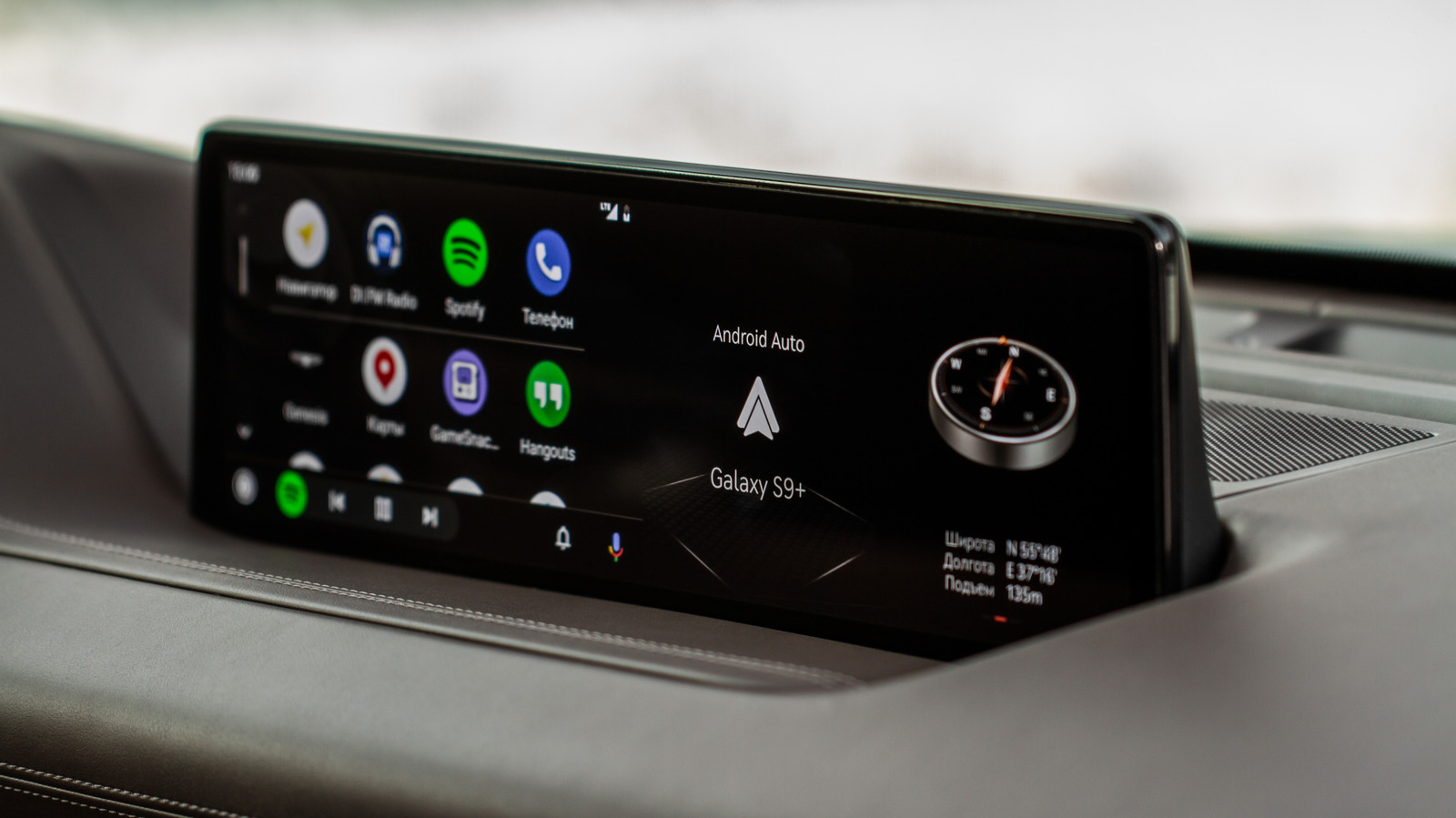
CarPlay's curated experience versus Android Auto's deep customization
The core distinction between Apple’s CarPlay and Android Auto lies in the depth of their experiences. CarPlay adheres to a tried-and-tested formula, prioritizing a streamlined, often single-app focus. While it allows users to rearrange their app grid and offers a split-screen view for maps and music, customization options are limited. In contrast, Android Auto allows for more customization, giving drivers agency over the layout and appearance of their screen. This flexibility is both a blessing and a curse, as it empowers users but also introduces potential configurations that can complicate troubleshooting and support.
Why Android Auto wins on third-party app access
Android Auto's permissive stance on third-party applications is a significant advantage. While Apple CarPlay-friendly apps are restricted in number and functionality, Android Auto's openness, including the ability to sideload applications, opens up possibilities for power users. Apps like CarStream enable users to watch YouTube on their car screen, highlighting a fundamental divergence between the two platforms. However, this approach may become a regulatory headache, particularly concerning driver distraction laws and type-approval for in-car systems.
The developer settings advantage for Android Auto power users
Android Auto offers a secret developer settings menu, providing granular control over various aspects of the system. This menu allows for quality-of-life changes, such as manually adjusting the default video resolution or toggling wireless Android Auto on or off. While appealing to power users, the existence of such a menu raises questions about the robustness and user-friendliness of the default settings. For car manufacturers, supporting a multitude of user-tweaked Android Auto configurations is a logistical challenge compared to Apple's locked-down environment.
Apple's 'next-gen' CarPlay gamble
Apple is addressing the gap in customization and deep integration with its next-gen CarPlay Ultra, currently being tested by Aston Martin and reportedly Tesla. This initiative aims to transform CarPlay from a screen-mirroring solution into a foundational operating system for the entire vehicle's digital interface. However, integrating such a deep system requires immense effort and trust from car manufacturers, demanding a high degree of commitment from both sides. For European OEMs, ceding control to Apple represents a substantial gamble, concerning data ownership, branding, and long-term strategic direction.
Who benefits most from each system
The choice between Android Auto and Android Auto boils down to user priorities and AI capabilities. For users who value flexibility, deep customization, and the ability to sidestep official app stores, Android Auto is the clear winner. Its multi-window interface and developer options cater to a technically adventurous audience. For those who prefer a streamlined, predictable, and tightly controlled experience, Apple CarPlay remains the go-to, offering simplicity and a curated selection of apps. Google's Gemini AI driving companion is a critical advantage, capable of understanding complex commands and questions with natural language.
What's still unclear
Several critical aspects for the European market remain unaddressed. How do these systems navigate EU data privacy regulations, particularly GDPR, concerning user and driving data collection? What are the actual licensing costs and integration complexities for European car manufacturers, and how do they weigh the strategic implications of ceding dashboard control to US tech giants? Furthermore, what are the long-term support implications and liability for OEMs when users enable developer options or sideload apps?
Why this matters
The evolution of Android Auto and Apple CarPlay is a strategic battle for the digital real estate within our vehicles. It dictates how we interact with our cars and who controls the valuable data generated during our commutes. For European consumers, this translates into questions of choice, privacy, and whether the in-car experience is optimized for local needs and regulations. The future of automotive infotainment hinges on this delicate balance between innovation, control, and user-centric design, under the watchful eye of regulators and discerning drivers alike.
Sources cross-referenced
This story was synthesised from reporting by 3 outlets:
1. Engadget 2. Engadget 3. BleepingComputer
Cases, chargers and AirPods alternatives the editors actually use.
Shop mobile gear →Discuss this story
Got a take, a correction, or a follow-up tip? Reply where you read — we read everything.
Found an error? File a correction at /corrections. Substantive corrections are logged publicly.
One short email. The most important Mobile news, fact-checked, no fluff. Free, unsubscribe anytime.
More from Mobile
Honor Magic 8 Pro vs Samsung Galaxy S26 Ultra: Which Future Flagship Fits Your Wallet and Workflow?
Deciding between the anticipated Honor Magic 8 Pro and Samsung Galaxy S26 Ultra? Our deep dive into expected specs and features provides the fair comparison you need.
Xiaomi 16 Pro vs iPhone 18 Pro: Which Flagship Fits Your World?
Deciding between the Xiaomi 16 Pro and iPhone 18 Pro? We break down every spec and trade-off, so you can make the choice that's right for you.
Motorola Edge 60 Ultra vs OnePlus 13: Which Android Flagship Fits Your Priorities?
Motorola Edge 60 Ultra and OnePlus 13 both aim for top-tier Android. We cut through the marketing to reveal the true differences, helping you choose.
Sony Xperia 1 VII vs iPhone 18 Pro: Which Flagship Fits Your Creative Flow?
Deciding between Sony's creator-centric Xperia 1 VII and Apple's powerful iPhone 18 Pro? We break down every spec and feature, neutrally.
The Byte-Pulse Newsroom is the editorial system that produces Byte-Pulse's daily tech news coverage. Each story is cross-referenced across 3+ independent outlets, drafted with AI assistance by the newsroom system (Drafter → Editor → Fact-Checker → Polisher), and reviewed by Serhat Er, Editor-in-Chief, before publication. We disclose AI augmentation openly. Editorial accountability stays with the named editor on every article. Tips: editorial@byte-pulse.net.
Don’t miss these
Proton VPN vs NordVPN: Which One Earns Your Subscription?
A deep dive into Proton VPN and NordVPN, comparing their privacy, performance, features, and value, helping you make an informed decision.
Perplexity Pro vs ChatGPT Plus: Which AI Assistant Fits Your Workflow?
This guide lays out the strengths and approaches of Perplexity Pro and ChatGPT Plus, helping you identify which AI assistant aligns with your specific needs.

Pokémon TCG Movie Signals Strategic Media Pivot for The Pokémon Company
A new Pokémon movie focused on the TCG is coming in 2027, marking a strategic pivot for the franchise as it navigates massive global fan engagement and logistical challenges.

Apple's AI Pivot: Vision Pro Content Cut, Siri Rebuilt Amid Layoffs
Apple's latest layoffs signal a strategic pivot, dialing back high-cost Vision Pro content while re-tooling Siri for the AI era. What's next for Apple?

D23 2026: Disney's Content Deluge Sparks Questions About Strategy
Byte-Pulse cuts through D23 hype: We dissect Disney's ambitious content slate, from Simpsons: Hit & Run to Ahsoka season 2, and question the real-world implications and European market strategy.
Notion vs Obsidian: Which Knowledge Hub Fits Your Workflow?
Deciding between Notion and Obsidian? We break down the core differences in philosophy, data ownership, collaboration, and extensibility to help you choose.