GM Agrees to $12.75M Settlement Over Driver Data Sales in California
California fines GM for selling driver data without consent, a record penalty.


General Motors (GM), one of the largest automakers in the world, recently found itself at the center of a significant legal settlement involving data privacy. The company has agreed to pay California $12.75 million to resolve allegations it violated the California Consumer Privacy Act (CCPA). The controversy revolves around claims that GM collected and sold driver data without obtaining proper consent from consumers. This case underscores the increasing scrutiny on data privacy practices, especially in industries undergoing rapid technological advancements.
Allegations and Settlement Details
The crux of the allegations against GM pertains to its OnStar and 'Smart Driver' systems, which are designed to enhance vehicle connectivity and driver experience. According to California's Attorney General Rob Bonta, these systems allegedly shared driving and location data with third-party data brokers, including Verisk Analytics and LexisNexis Risk Solutions, between 2020 and 2024. This sharing occurred without explicit driver consent, contradicting GM's assurances to its customers. Bonta highlighted that the data shared included detailed location information that could potentially expose personal habits and routines of drivers.
This settlement marks the largest penalty related to the CCPA to date, indicating a robust enforcement stance by California regulators. As part of the settlement, GM has committed to cease selling driving data to consumer agencies and brokers for a period of five years. Additionally, the company is required to delete any collected driving data within 180 days unless drivers provide explicit consent to retain it. Furthermore, GM must request that LexisNexis and Verisk delete any past data shared with them. The automaker is also tasked with enhancing its privacy program and maintaining regular communication with regulators to ensure compliance.
Context: The Auto Industry and Data Privacy
The automotive industry is undergoing a technological transformation, with modern vehicles increasingly resembling sophisticated computers on wheels. This evolution brings heightened concerns about data privacy, as vehicles now generate and transmit vast amounts of data. The GM case is indicative of a broader trend where regulatory bodies are placing a stronger emphasis on data privacy compliance. In recent years, the Federal Trade Commission (FTC) has also criticized GM for similar privacy issues, which led to a previous five-year ban on data sales.
The European Union (EU) has been at the forefront of data privacy regulations with the General Data Protection Regulation (GDPR), setting a global benchmark. Although the GM settlement is specific to California, it reflects a growing global movement towards stricter data privacy standards. Companies operating in multiple jurisdictions must navigate these complex regulatory landscapes to avoid hefty penalties and reputational damage.
What This Means for You
For consumers, this settlement reinforces the critical importance of understanding how personal data is used and shared by companies. As vehicles become more connected, drivers should be vigilant about the data privacy practices of auto manufacturers and demand transparency. This case serves as a reminder to review user agreements and privacy policies, which often contain crucial information about data collection practices.
Moreover, the settlement could lead to greater consumer protection as companies may increasingly adhere to stringent privacy standards to avoid legal repercussions. It also encourages consumers to engage with manufacturers on data privacy issues, ensuring their rights are protected and their data is handled responsibly.
What's Still Unclear
While the settlement lays out clear terms for GM, several questions remain unanswered. One major uncertainty is how GM's compliance with the settlement terms will be monitored going forward. Effective oversight is crucial to ensure the company adheres to its commitments. Additionally, the specific steps GM will take to bolster its privacy program have not been disclosed, leaving room for speculation about the robustness of these measures.
Another area of ambiguity is whether this settlement will trigger similar lawsuits against other car manufacturers. As the industry grapples with growing data privacy concerns, other companies might face increased scrutiny from regulators, leading to potential legal challenges.
Auto Industry Implications
The implications of this settlement extend beyond GM, sending a clear message to the auto industry about the importance of compliance with data privacy laws. As cars become smarter and more connected, manufacturers must prioritize protecting consumer data. The settlement sets a precedent for enforcing privacy laws on large companies, particularly in tech-heavy fields like the automotive industry.
- Key Settlement Terms for GM:
- Stop the sale of driving data to consumer agencies and brokers for five years. - Delete driving data within 180 days unless drivers consent to retention. - Request deletion of past data from LexisNexis and Verisk. - Strengthen privacy programs and ensure regular updates to regulators.
Editorial Take
The GM settlement is a watershed moment in the ongoing dialogue about data privacy in the automotive industry. It highlights the need for companies to navigate the delicate balance between technological innovation and consumer privacy. As vehicles continue to evolve, it is imperative for manufacturers to adopt transparent data practices and prioritize consumer trust. This case may serve as a catalyst for broader regulatory reforms, encouraging stricter adherence to privacy standards across industries. Ultimately, safeguarding consumer data is not just a regulatory obligation but a fundamental aspect of building long-term consumer trust and brand integrity.
Hardware keys and password managers used by security pros.
Shop security gear →Discuss this story
Got a take, a correction, or a follow-up tip? Reply where you read — we read everything.
Found an error? File a correction at /corrections. Substantive corrections are logged publicly.
One short email. The most important Security news, fact-checked, no fluff. Free, unsubscribe anytime.
More from Security

eBay's $55.7M Cyberstalking Settlement: A Corporate Culture of Coercion Exposed
Byte-Pulse investigates the eBay cyberstalking case, revealing a disturbing harassment campaign, executive involvement, and the broader implications for corporate ethics.
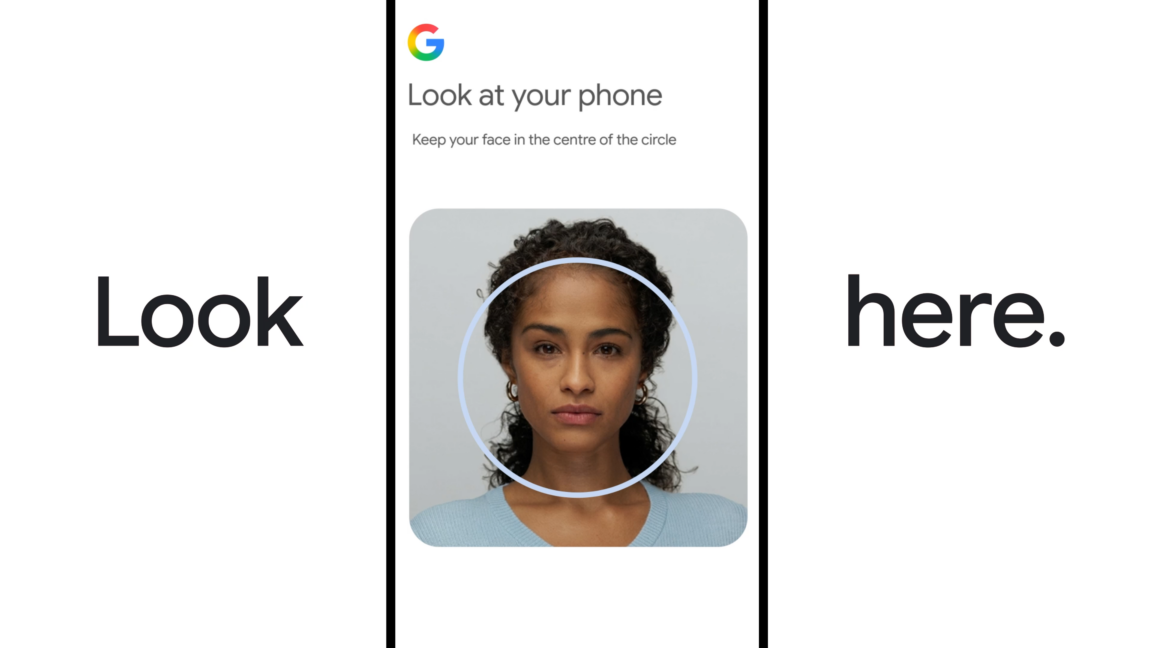
Google's Selfie Login: Convenience Meets Data Privacy Alarms
Google introduces a video selfie login, but the implications for data privacy and AI training warrant scrutiny beyond convenience

Apple's Rare Third macOS RC: Unpacking Security Concerns
Byte-Pulse explores the implications of Apple's unusual third Release Candidate for macOS updates, examining the severity of unannounced security fixes and their impact on European users

Google’s Legal Battle Against AI-Driven Cybercrime: Examining Outsider Enterprise
Google's lawsuit against Outsider Enterprise exposes differences in victim counts and sheds light on AI's role in cybercrime.
The Byte-Pulse Newsroom is the editorial system that produces Byte-Pulse's daily tech news coverage. Each story is cross-referenced across 3+ independent outlets, drafted with AI assistance by the newsroom system (Drafter → Editor → Fact-Checker → Polisher), and reviewed by Serhat Er, Editor-in-Chief, before publication. We disclose AI augmentation openly. Editorial accountability stays with the named editor on every article. Tips: editorial@byte-pulse.net.
Don’t miss these
Nothing Phone 4 vs Google Pixel 11: Looking Ahead to the Next Generation
A speculative deep dive into what the Nothing Phone 4 and Google Pixel 11 might bring, offering a balanced look at their likely strengths and trade-offs for future buyers.
Proton VPN vs NordVPN: Which One Earns Your Subscription?
A deep dive into Proton VPN and NordVPN, comparing their privacy, performance, features, and value, helping you make an informed decision.
Perplexity Pro vs ChatGPT Plus: Which AI Assistant Fits Your Workflow?
This guide lays out the strengths and approaches of Perplexity Pro and ChatGPT Plus, helping you identify which AI assistant aligns with your specific needs.

Pokémon TCG Movie Signals Strategic Media Pivot for The Pokémon Company
A new Pokémon movie focused on the TCG is coming in 2027, marking a strategic pivot for the franchise as it navigates massive global fan engagement and logistical challenges.

Apple's AI Pivot: Vision Pro Content Cut, Siri Rebuilt Amid Layoffs
Apple's latest layoffs signal a strategic pivot, dialing back high-cost Vision Pro content while re-tooling Siri for the AI era. What's next for Apple?

D23 2026: Disney's Content Deluge Sparks Questions About Strategy
Byte-Pulse cuts through D23 hype: We dissect Disney's ambitious content slate, from Simpsons: Hit & Run to Ahsoka season 2, and question the real-world implications and European market strategy.