Apple's iPad Mini: A Waterproof Contender Against E-Readers
Apple aims to make the iPad Mini a strong rival to dedicated e-readers, thanks to a novel speaker system. But what will consumers pay for this upgrade?

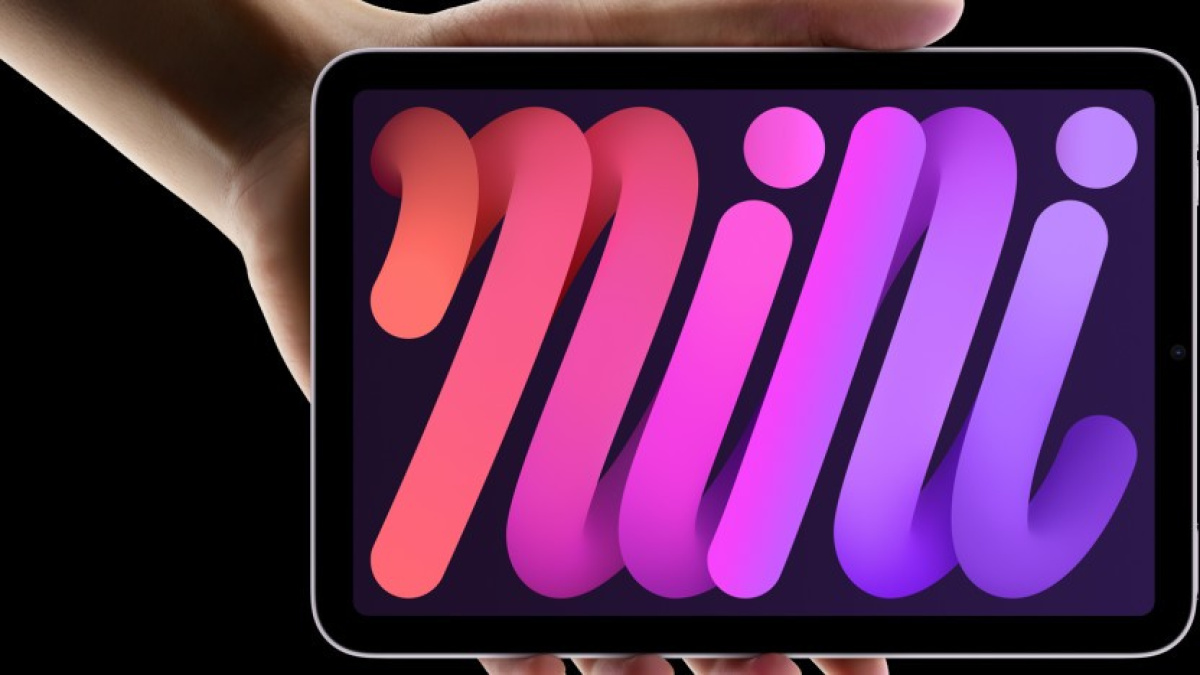
The iPad Mini: Ready for a Splash?
The iPad Mini has long been a compact, portable workhorse, perfect for reading, light gaming, or quick media consumption on the go. That's about to change. Its susceptibility to water damage has been a significant limitation, but Apple is preparing to release an iPad Mini with a thoroughly redesigned, water-resistant casing. According to Mark Gurman and reports from MacRumors and t3n, this new iPad Mini will be robust enough for "casual use in wet environments like a bathroom or a pool area."
How Apple Plans to Make Speakers Waterproof Without Holes
What's most intriguing about this rumored water resistance is how Apple plans to achieve it. Instead of sealing traditional speaker grilles with adhesives and gaskets, Apple is reportedly deploying a vibration-based speaker system. Golem explains that this system "would come without classic speaker openings," with the sound instead being "emitted via the housing surfaces." This isn't a hasty, last-minute fix; it's a technology Apple has been developing for over a decade, finally finding its mass-market application. But whether this novel approach compromises audio fidelity remains an open question.
When Will a More Durable iPad Mini Actually Arrive?
Rumors consistently point to an October 2026 launch window. This timing aligns with Apple's typical autumn refresh cycle for many of its devices. Beyond water resistance, the next iPad Mini should also feature several other upgrades, including an OLED display. All three sources agree on an 8.4-inch LTPS panel with a 60Hz refresh rate, which MacRumors explicitly states would "rule out ProMotion."
What This Means for E-Readers Like Kindle
Apple's push for water resistance in the iPad Mini is a direct, defensive move against dedicated e-readers. For years, devices like the Kindle Paperwhite and the Kobo Libra Color have held a clear, practical advantage: their certified ability to survive immersion. A waterproof iPad Mini means that advantage largely evaporates. E-readers, however, will still offer superior readability in direct sunlight and significantly longer battery life, making them ideal for avid readers.
The Surprising Tech Behind the Next iPad Mini
The true surprise here isn't just that Apple is making the iPad Mini water-resistant, but how it's doing it. Integrating the speaker function directly into the device's chassis speaks to a deeper engineering philosophy. This suggests a commitment to integrated design that could eventually appear in other Apple products, offering enhanced durability across the ecosystem.
Such sophisticated engineering will almost certainly come at a cost. Anyone who’s tracked Apple's pricing knows a new feature almost always means a higher tag. The current iPad Mini starts at 679 Euros in Germany, and the OLED model could command up to $100 more in the US. Given the historical trend of USD-to-EUR conversion rates and the added costs of VAT and import duties, the new waterproof, OLED-equipped iPad Mini is likely to break the 700 Euro barrier, potentially reaching €750-€800 in Europe.
What's Still Unclear:
- Exact IP Rating: The crucial detail of its official water and dust resistance certification remains unconfirmed.
- Audio Quality Impact: How will the vibration-based speaker system affect sound fidelity compared with traditional speakers?
- Repairability: A more sealed, integrated design often means a less repairable device. What are the implications for service and environmental impact?
- EU Regulatory Scrutiny: Will this new design face any specific challenges or requirements from EU regulations regarding materials, repair, or end-of-life considerations?
Why This Matters
This isn't merely an incremental update; it's a strategic repositioning of the iPad Mini. By addressing its most glaring practical vulnerability, Apple is not just enhancing a product; it's actively seeking to disrupt a segment of the e-reader market while simultaneously showcasing a novel acoustic technology. For consumers, it promises a more versatile and durable device. But for those of us tracking the industry, I've watched Apple consolidate its footprint across various device categories for years, and this is a clear signal of that intent, even if it means pushing the pricing envelope. The success of this new Mini will test not only its technical prowess but also the market's willingness to pay an ever-increasing premium for Apple's compact, feature-rich hardware.
Sources cross-referenced
This story was synthesised from reporting by 3 outlets:
Cases, chargers and AirPods alternatives the editors actually use.
Shop mobile gear →Discuss this story
Got a take, a correction, or a follow-up tip? Reply where you read — we read everything.
Found an error? File a correction at /corrections. Substantive corrections are logged publicly.
One short email. The most important Mobile news, fact-checked, no fluff. Free, unsubscribe anytime.
More from Mobile
Asus ROG Phone 9 vs Sony Xperia 1 VII: Which Niche Flagship Earns Your Money?
Deciding between the gaming-focused ROG Phone 9 and the creator-centric Xperia 1 VII? This guide breaks down every spec to help you choose.
Honor Magic 8 Pro vs Samsung Galaxy S26 Ultra: Which Future Flagship Fits Your Wallet and Workflow?
Deciding between the anticipated Honor Magic 8 Pro and Samsung Galaxy S26 Ultra? Our deep dive into expected specs and features provides the fair comparison you need.
Xiaomi 16 Pro vs iPhone 18 Pro: Which Flagship Fits Your World?
Deciding between the Xiaomi 16 Pro and iPhone 18 Pro? We break down every spec and trade-off, so you can make the choice that's right for you.
Motorola Edge 60 Ultra vs OnePlus 13: Which Android Flagship Fits Your Priorities?
Motorola Edge 60 Ultra and OnePlus 13 both aim for top-tier Android. We cut through the marketing to reveal the true differences, helping you choose.
The Byte-Pulse Newsroom is the editorial system that produces Byte-Pulse's daily tech news coverage. Each story is cross-referenced across 3+ independent outlets, drafted with AI assistance by the newsroom system (Drafter → Editor → Fact-Checker → Polisher), and reviewed by Serhat Er, Editor-in-Chief, before publication. We disclose AI augmentation openly. Editorial accountability stays with the named editor on every article. Tips: editorial@byte-pulse.net.
Don’t miss these
PlayStation 5 Pro vs Nintendo Switch 2: Powerhouse or Portable Prowess?
Don't buy until you read this. We cut through the hype to lay out the real trade-offs between Sony's next powerhouse and Nintendo's anticipated hybrid.
Apple M5 Pro vs. Apple M4 Pro: Projecting the Next Generation of Apple Silicon
We project the likely advancements of the unannounced M4 Pro and M5 Pro chips, offering a balanced, speculative look at future performance and efficiency.
Proton VPN vs NordVPN: Which One Earns Your Subscription?
A deep dive into Proton VPN and NordVPN, comparing their privacy, performance, features, and value, helping you make an informed decision.
Perplexity Pro vs ChatGPT Plus: Which AI Assistant Fits Your Workflow?
This guide lays out the strengths and approaches of Perplexity Pro and ChatGPT Plus, helping you identify which AI assistant aligns with your specific needs.

Pokémon TCG Movie Signals Strategic Media Pivot for The Pokémon Company
A new Pokémon movie focused on the TCG is coming in 2027, marking a strategic pivot for the franchise as it navigates massive global fan engagement and logistical challenges.
AMD Ryzen 7 9800X3D vs Intel Core Ultra 7 265K: Which Chip Drives Your Next Build?
Deciding between AMD's V-Cache prowess and Intel's new Ultra architecture? This guide cuts through the noise to show you what each CPU truly offers for your money.