Blue Angel Expands to Software Certification for Sustainability
Germany's Blue Angel label adds software to its eco-friendly mission, giving tech firms a marketing boost.

Blue Angel Expands to Software Certification for Sustainability
The Blue Angel, Germany's renowned eco-label, has long been a symbol of sustainability for products like paper, textiles, and other everyday goods. Now, in a forward-looking move, it's venturing into the digital realm, targeting the software industry. This initiative aims to promote resource efficiency in software development, offering companies an opportunity to underscore their commitment to sustainability.
Context: The Growing Role of Sustainability in Tech
Globally, the tech industry is increasingly scrutinized for its environmental impact. In the European Union, regulations are tightening around digital services, with a strong emphasis on reducing carbon footprints and promoting circular economies. The tech sector, known for its rapid innovation and growth, is under pressure to align with these goals. The Blue Angel's expansion into software certification aligns with broader EU policies aimed at promoting sustainable practices across industries.
The Certification Process: A Closer Look
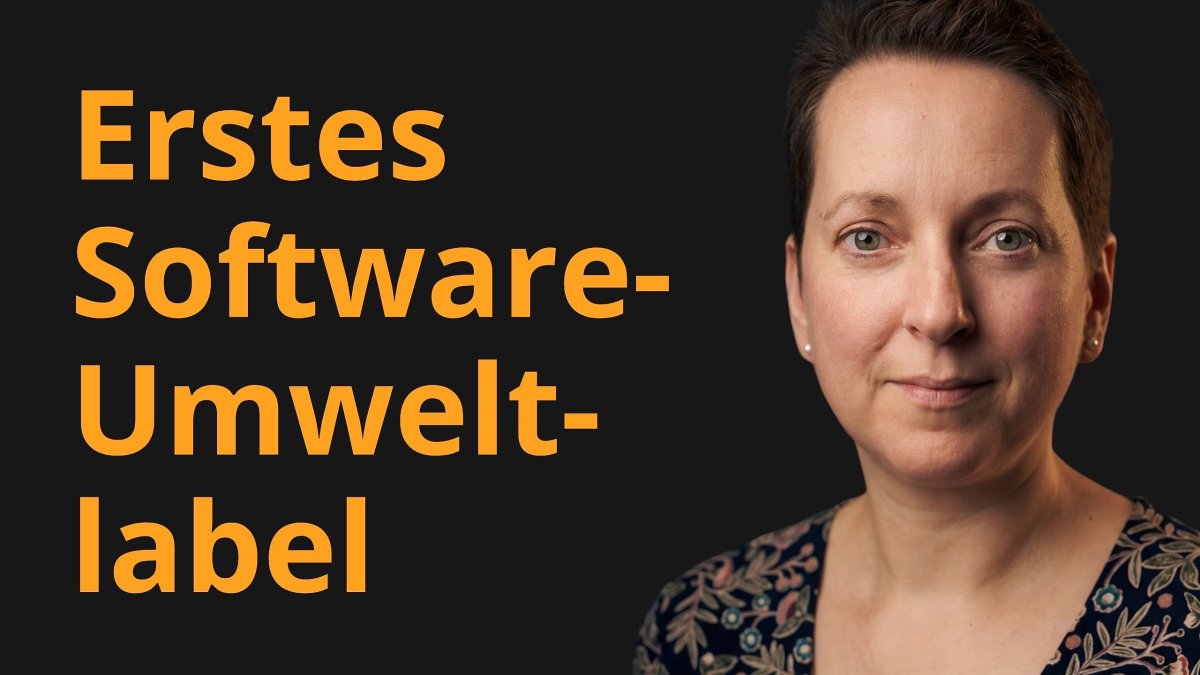
Anita Schüttler, an influential advocate for IT sustainability, provides insight into the rigorous process of obtaining Blue Angel certification for software. She explains that the certification process involves a comprehensive evaluation of a software application's environmental footprint, focusing on factors such as energy consumption and resource efficiency. This isn't merely a decorative green badge—it's a testament to a company's serious commitment to environmental responsibility.
Getting certified is no small task. Companies must undergo thorough audits and meet stringent criteria designed to minimize their digital footprint. This includes analyzing the entire software lifecycle, from development to deployment and eventual disposal. Schüttler, who successfully navigated this process for her own software, admits it demands significant investment in time and resources. However, she believes the benefits, including enhanced marketability and consumer trust, far outweigh the challenges.
Perks of the Blue Angel Label
Securing the Blue Angel certification can offer several advantages to software companies:
- Brand Boost: Demonstrates a company's commitment to sustainability, appealing to eco-conscious consumers.
- Market Standout: Differentiates products in a crowded and competitive marketplace.
- Regulatory Compliance: Helps companies meet increasing eco-regulations, reducing the risk of penalties.
Schüttler emphasizes that the Blue Angel label encourages companies to rethink their software's lifecycle, fostering a shift towards a circular economy. By doing so, it not only enhances the product's environmental performance but also improves its market appeal.
Understanding the Blue Angel's Role in the Tech Industry
The Blue Angel's move into software certification is part of a broader trend in the tech industry towards greener practices. As more companies face heightened scrutiny over their environmental impact, eco-labels like Blue Angel provide a structured approach to addressing these concerns. This certification can serve as a valuable asset in a company's sustainability strategy, helping to balance ecological considerations with business objectives.
Richard Seidl, a respected figure in software quality, highlights the intersection of quality and sustainability in software development. By integrating these two aspects, companies not only enhance software performance but also bolster their environmental credentials. This dual focus can lead to more efficient, sustainable, and high-performing software solutions.
What's Still Unclear: Challenges and Open Questions
Despite the promising potential of the Blue Angel certification for software, several questions remain unanswered:
- Adapting Criteria: How will the certification criteria evolve in response to the rapid pace of technological advancement?
- Key Metrics: Which metrics will be prioritized in evaluating software's environmental impact, and how will they be measured?
- Cost Implications for SMEs: How can smaller firms, with limited resources, manage the financial and logistical challenges of certification?
These questions highlight the complexities involved in integrating sustainability into the fast-moving tech industry. They also underscore the need for ongoing dialogue between certification bodies, industry stakeholders, and policymakers to ensure the certification remains relevant and accessible.
What This Means for You
For consumers and businesses alike, the Blue Angel's expansion into software certification represents a significant step towards more sustainable technology. For consumers, it means having greater confidence in the eco-friendliness of the software they use, aligning with personal and organizational values of sustainability. For businesses, particularly in the competitive tech landscape, achieving this certification can enhance brand reputation, improve market positioning, and potentially open up new customer segments focused on sustainability.
As tech companies navigate the complexities of environmental responsibility, the Blue Angel certification offers a clear framework for action. By prioritizing resource efficiency and sustainability, companies can not only reduce their environmental impact but also gain a competitive edge in an increasingly eco-aware marketplace.
Editorial Take: A Step Forward with Room to Grow
The Blue Angel's foray into software certification is a promising development in the pursuit of sustainable technology. It provides a structured path for companies to enhance their environmental performance and aligns well with global sustainability goals. However, the initiative's success will depend on its ability to adapt to technological changes and address the challenges faced by smaller companies. As the tech industry continues to evolve, maintaining a focus on sustainability will be crucial for long-term success and environmental stewardship.
Discuss this story
Got a take, a correction, or a follow-up tip? Reply where you read — we read everything.
Found an error? File a correction at /corrections. Substantive corrections are logged publicly.
One short email. The most important Software news, fact-checked, no fluff. Free, unsubscribe anytime.
More from Software
Proton VPN vs NordVPN: Which One Earns Your Subscription?
A deep dive into Proton VPN and NordVPN, comparing their privacy, performance, features, and value, helping you make an informed decision.
Notion vs Obsidian: Which Knowledge Hub Fits Your Workflow?
Deciding between Notion and Obsidian? We break down the core differences in philosophy, data ownership, collaboration, and extensibility to help you choose.
Proton Mail vs Gmail: Which Email Service Fits Your Digital Life?
Unsure about Proton Mail vs Gmail? We break down security, features, pricing, and daily use so you can confidently pick the email service that aligns with your priorities.

Apple's Beta Updates: Enhancements, Challenges, and Future Outlook
Exploring the latest beta updates from Apple for tvOS, macOS, and visionOS, including key features and performance issues.
The Byte-Pulse Newsroom is the editorial system that produces Byte-Pulse's daily tech news coverage. Each story is cross-referenced across 3+ independent outlets, drafted with AI assistance by the newsroom system (Drafter → Editor → Fact-Checker → Polisher), and reviewed by Serhat Er, Editor-in-Chief, before publication. We disclose AI augmentation openly. Editorial accountability stays with the named editor on every article. Tips: editorial@byte-pulse.net.
Don’t miss these
OnePlus 14 vs Samsung Galaxy S26: Which Flagship Earns Your Hard-Earned Cash?
Deciding between the OnePlus 14 and Samsung Galaxy S26? This guide cuts through the noise, laying out the facts so you can pick the perfect phone for your priorities.
Perplexity Pro vs ChatGPT Plus: Which AI Assistant Fits Your Workflow?
This guide lays out the strengths and approaches of Perplexity Pro and ChatGPT Plus, helping you identify which AI assistant aligns with your specific needs.

Pokémon TCG Movie Signals Strategic Media Pivot for The Pokémon Company
A new Pokémon movie focused on the TCG is coming in 2027, marking a strategic pivot for the franchise as it navigates massive global fan engagement and logistical challenges.

Apple's AI Pivot: Vision Pro Content Cut, Siri Rebuilt Amid Layoffs
Apple's latest layoffs signal a strategic pivot, dialing back high-cost Vision Pro content while re-tooling Siri for the AI era. What's next for Apple?

D23 2026: Disney's Content Deluge Sparks Questions About Strategy
Byte-Pulse cuts through D23 hype: We dissect Disney's ambitious content slate, from Simpsons: Hit & Run to Ahsoka season 2, and question the real-world implications and European market strategy.
Nothing Phone 4 vs Google Pixel 11: Looking Ahead to the Next Generation
A speculative deep dive into what the Nothing Phone 4 and Google Pixel 11 might bring, offering a balanced look at their likely strengths and trade-offs for future buyers.