Chromium Exploit Leaked: Millions of Browser Users Exposed
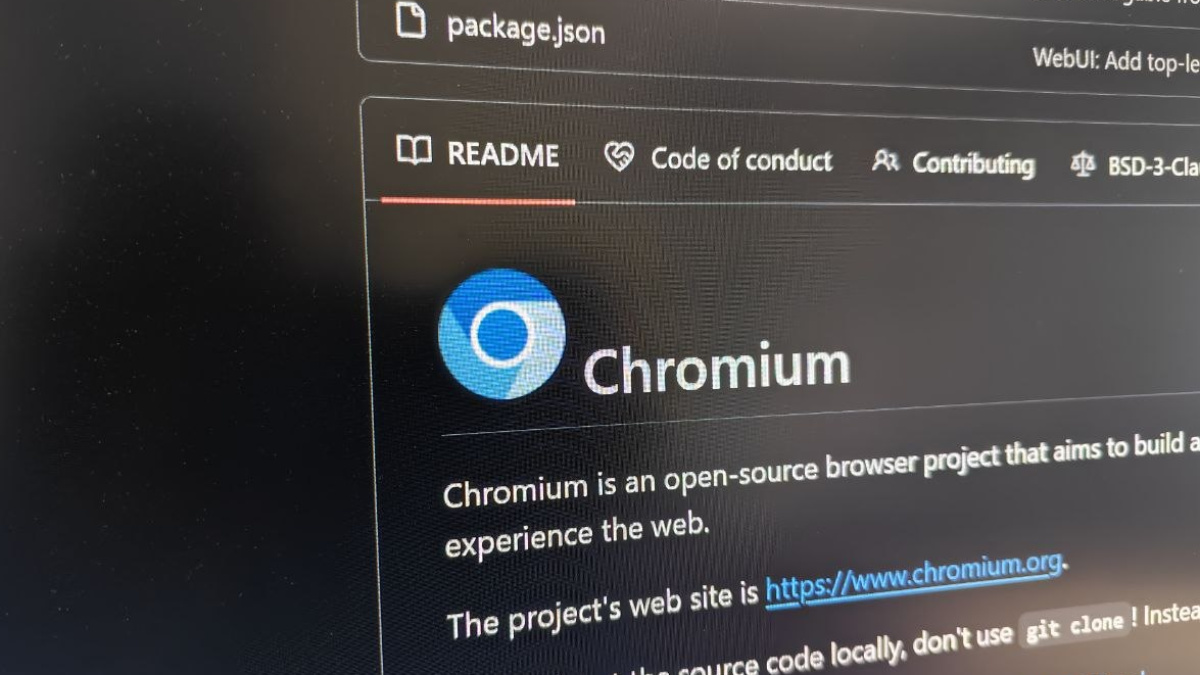
Google accidentally dropped an exploit for an unpatched Chromium vulnerability. That means Chrome, Edge, and other browser users are now in the crosshairs.

A Startling Leak Puts Users at Risk
Remember that serious security flaw in Chromium? The open-source code powering popular browsers like Google Chrome, Microsoft Edge, Brave, and Vivaldi? It's still unpatched, despite being reported way back in late 2022. And now, things just got significantly worse. An exploit for this very bug — a tool designed to attack it — got leaked online. Apparently, it was Google's mistake. This exploit was only meant for their developers, a tool to engineer a fix. Instead, it's out there, public. Just another headache in the never-ending, often frustrating, fight for cybersecurity across our most common software platforms.
The implications of this leak are vast, affecting potentially billions of users worldwide. Chrome alone boasts over 3 billion users, making any vulnerability a significant concern. Microsoft Edge, while smaller in market share, is still used by millions, particularly in enterprise environments where updates and patches may not always be immediate.
How the Exploit Works
So, how does this thing actually work? It's all about Chromium's Background Fetch API. Attackers can use this bug to fire up a 'service worker' behind the scenes. That worker then downloads big files – think videos – without you ever knowing. It keeps a connection open, too. Basically, your browser could become part of a botnet, launching Denial-of-Service attacks, for instance. Lyra Rebane, who found this bug, called the exploit 'quite simple.' You just need to visit a bad website. Malicious JavaScript runs. No clicks, no downloads, nothing else needed from you. Pretty scary, right?
Imagine a day in the life of an unsuspecting user: you're browsing the web, perhaps checking out a new link shared by a friend or an interesting article. Unbeknownst to you, that site harbors the malicious JavaScript exploiting this vulnerability. Your browser silently starts downloading significant data, impacting your bandwidth and potentially your data limits if you're on a metered connection. Meanwhile, your device might be contributing to a massive botnet attack on a target server, all without your knowledge.
Edge Users Particularly Vulnerable
Bad news for Microsoft Edge users: You're pretty much in the crosshairs here. Chrome, at least, might show a download dropdown, a little hint something's up. Edge? Nothing. No indication. And get this: even if you close Edge, it can stay connected to an attacker's server. Good luck trying to spot that, let alone stop it. It makes detection and mitigation a real challenge for the average person.
For companies relying heavily on Edge, especially those that integrate Edge into Windows-based environments, this vulnerability presents an even more significant threat. Without clear indicators of the exploit, IT departments might struggle to identify and mitigate the threat, leaving organizational data and operations at risk.
Context: European Implications
Think about Europe. Millions use Chromium browsers there. This bug? It's a huge risk for millions of users. European cybersecurity rules are clear: patch these things fast. Protect user data, protect privacy. It's all part of GDPR, after all. No patch, no protection. Users are just sitting ducks for potential data breaches and service disruptions. Period.
In Europe, where GDPR enforces strict data protection standards, the failure to patch such vulnerabilities could lead to hefty fines and legal repercussions for organizations found negligent in protecting user data. This adds another layer of urgency for developers and companies to push for an immediate resolution.
What This Means for You
So, what's a user to do? Basically, stay sharp. Until Google pushes a fix, here are some ideas:
- Don't go poking around unfamiliar websites, especially ones that try to download stuff you didn't ask for. Seriously, be careful.
- Maybe switch browsers for a bit? Firefox or Safari aren't reportedly hit by this particular exploit.
- Keep an eye out for security updates from your browser company. Seriously, pay attention; they're critical.
Using alternative browsers, such as Firefox or Safari, which are not impacted by this particular flaw, can provide a temporary safe harbor until a fix is released. Users should also regularly check browser settings to ensure any updates are applied automatically.
What's Still Unclear
Still a lot we don't know, honestly:
- When's that Google patch coming? Anyone's guess right now.
- How far has this exploit spread online? No idea how widely the details have circulated.
- And what's Google doing to stop this from happening again? Good question, we're waiting for answers on long-term prevention.
The uncertainty surrounding Google's response timeline and the extent of the exploit's dissemination only adds to user anxiety. The tech community eagerly awaits Google's next steps, not just to fix the current issue but to implement measures that prevent similar incidents in the future.
Why This Matters
This whole Google leak? It just screams 'cybersecurity mess.' It's a blunt reminder: we need better security protocols and faster response strategies. Tech is everywhere now, right? It's increasingly integral to daily life. So keeping our digital spaces safe isn't just important, it's everything. For our personal data, for businesses, for everyone. This incident truly emphasizes that.
In today's digital age, where everything from banking to personal communication occurs online, the security of our browsers is paramount. This incident serves as a stark reminder of the vulnerabilities inherent in our interconnected world and underscores the critical need for robust cybersecurity measures. As users and companies alike await a resolution, the focus remains on ensuring that such lapses do not become a recurring theme in the tech landscape.
Hardware keys and password managers used by security pros.
Shop security gear →Discuss this story
Got a take, a correction, or a follow-up tip? Reply where you read — we read everything.
Found an error? File a correction at /corrections. Substantive corrections are logged publicly.
One short email. The most important Security news, fact-checked, no fluff. Free, unsubscribe anytime.
More from Security

eBay's $55.7M Cyberstalking Settlement: A Corporate Culture of Coercion Exposed
Byte-Pulse investigates the eBay cyberstalking case, revealing a disturbing harassment campaign, executive involvement, and the broader implications for corporate ethics.
Google's Selfie Login: Convenience Meets Data Privacy Alarms
Google introduces a video selfie login, but the implications for data privacy and AI training warrant scrutiny beyond convenience

Apple's Rare Third macOS RC: Unpacking Security Concerns
Byte-Pulse explores the implications of Apple's unusual third Release Candidate for macOS updates, examining the severity of unannounced security fixes and their impact on European users

Google’s Legal Battle Against AI-Driven Cybercrime: Examining Outsider Enterprise
Google's lawsuit against Outsider Enterprise exposes differences in victim counts and sheds light on AI's role in cybercrime.
The Byte-Pulse Newsroom is the editorial system that produces Byte-Pulse's daily tech news coverage. Each story is cross-referenced across 3+ independent outlets, drafted with AI assistance by the newsroom system (Drafter → Editor → Fact-Checker → Polisher), and reviewed by Serhat Er, Editor-in-Chief, before publication. We disclose AI augmentation openly. Editorial accountability stays with the named editor on every article. Tips: editorial@byte-pulse.net.
Don’t miss these
Asus ROG Phone 9 vs Sony Xperia 1 VII: Which Niche Flagship Earns Your Money?
Deciding between the gaming-focused ROG Phone 9 and the creator-centric Xperia 1 VII? This guide breaks down every spec to help you choose.
Proton VPN vs NordVPN: Which One Earns Your Subscription?
A deep dive into Proton VPN and NordVPN, comparing their privacy, performance, features, and value, helping you make an informed decision.
Perplexity Pro vs ChatGPT Plus: Which AI Assistant Fits Your Workflow?
This guide lays out the strengths and approaches of Perplexity Pro and ChatGPT Plus, helping you identify which AI assistant aligns with your specific needs.

Pokémon TCG Movie Signals Strategic Media Pivot for The Pokémon Company
A new Pokémon movie focused on the TCG is coming in 2027, marking a strategic pivot for the franchise as it navigates massive global fan engagement and logistical challenges.

Apple's AI Pivot: Vision Pro Content Cut, Siri Rebuilt Amid Layoffs
Apple's latest layoffs signal a strategic pivot, dialing back high-cost Vision Pro content while re-tooling Siri for the AI era. What's next for Apple?
Honor Magic 8 Pro vs Samsung Galaxy S26 Ultra: Which Future Flagship Fits Your Wallet and Workflow?
Deciding between the anticipated Honor Magic 8 Pro and Samsung Galaxy S26 Ultra? Our deep dive into expected specs and features provides the fair comparison you need.