SpaceX IPO: Musk's Empire, Entangled and Risky
SpaceX's IPO filing just dropped, revealing deep ties to Elon Musk's other ventures. It's a look at both huge opportunity and significant risk.


SpaceX IPO: Musk's Empire, Entangled and Risky
SpaceX's long-awaited IPO filing has finally been unveiled, offering a rare glimpse into Elon Musk's sprawling business empire. This document, the Form S-1, sets the stage for SpaceX's public debut and reveals the intricate web of Musk’s ventures—complex dependencies, potential conflicts, and significant transactions that underscore the intertwined nature of his businesses. It's not just about the numbers; it's about understanding how these elements fit together in Musk's grand vision.
Interconnected Ventures
The SpaceX filing often reads like a Musk family reunion, with names like Tesla, xAI, The Boring Company, and Neuralink making appearances. Tesla, for instance, holds nearly 19 million shares of SpaceX's Class A common stock. This isn't just a footnote—it's a testament to how deeply interconnected Musk’s ventures are. Then there's xAI, Musk's ambitious foray into artificial intelligence. The merger of xAI with SpaceX purportedly boosted SpaceX's valuation to an eye-watering $1.25 trillion this year. This move might seem strategic, but it comes with risks. xAI reportedly faces financial difficulties, losing billions despite showing some revenue growth. This raises questions about the sustainability and impact of such inter-company ventures.
These connections aren't merely strategic alliances; they're financial lifelines. SpaceX spent $131 million purchasing Cybertrucks from Tesla and invested a hefty $697 million in Tesla's Megapacks to power its data centers. These transactions highlight a profound mutual dependency that goes beyond mere business deals. However, they also raise concerns about potential conflicts of interest. Could these transactions sway business decisions to the detriment of shareholder interests?
Risk Factors: Elon Musk
The filing identifies Elon Musk as both an invaluable asset and a significant risk factor for SpaceX. His visionary leadership is undeniably critical to SpaceX's success. Yet, his attention is divided among numerous high-profile ventures, each demanding significant time and energy. This dispersed focus poses potential risks. The document candidly acknowledges that Musk's busy schedule might create conflicts or lead to situations where his companies end up competing against one another, potentially cannibalizing opportunities.
European Context
In the European context, the situation is intriguing. Europe has long been a formidable player in the space industry, with organizations like the European Space Agency (ESA) driving innovation. However, the region often struggles to match the scale and pace set by US private giants like SpaceX. Musk's intricate empire and its financial maneuvers might serve as a learning opportunity for European firms aiming to integrate cross-sector capabilities efficiently. This could be particularly relevant as Europe seeks to bolster its position in the global space race.
What This Means for You
So, what does all this mean for you, the potential investor? The SpaceX IPO offers a ticket to what could be a transformative venture. But it's crucial to weigh the risks outlined in the filing. Musk's influence is a double-edged sword: a substantial advantage, yes, but also a possible vulnerability. The intertwined relationships within Musk's empire have the potential to impact not only SpaceX but the broader tech ecosystem. Investors should keep a close watch on how these dynamics unfold and consider the implications for their portfolios.
A Real Daily-Use Scenario
Imagine you're an investor who has followed SpaceX's journey from the beginning. You've seen the company launch satellites, send astronauts to the International Space Station, and develop the Starship for future Mars missions. The IPO offers a chance to own a piece of this pioneering company. However, as you contemplate buying shares, you must consider how Musk's commitments to Tesla, Neuralink, and his other ventures might affect SpaceX's operations. Will his divided attention slow down SpaceX's ambitious plans? Or will his vision continue to propel the company toward groundbreaking achievements? These are the questions you, as an investor, must grapple with.
What's Still Unclear
Despite the wealth of information provided in the filing, several uncertainties remain. One of the most pressing questions is how Musk will effectively manage his commitments across all these diverse ventures. Will the intricate corporate intertwining invite regulatory scrutiny? How might these dynamics impact SpaceX's long-term goals, such as establishing a human presence on Mars? These unresolved issues could have significant implications for SpaceX's future and are worth monitoring as the company transitions to a publicly traded entity.
Why This Matters
The SpaceX IPO filing is more than just a nod to Elon Musk's audacious vision. It's a stark reminder of the potential pitfalls of concentrating too much leadership and decision-making power in one individual. As SpaceX steps into the public market, its success will hinge not only on Musk's vision but also on the management of these complex, interconnected relationships. For investors, stakeholders, and curious onlookers, the unfolding story of SpaceX's IPO offers profound insights into the opportunities and challenges of investing in a Musk-led enterprise.
This IPO is a pivotal moment not only for SpaceX but for the broader tech and space industries. The outcomes of this public offering will likely ripple across sectors, influencing how companies approach cross-sector collaboration, risk management, and leadership structure. As SpaceX aims for the stars, both literally and figuratively, the journey promises to be as thrilling as it is uncertain.
Discuss this story
Got a take, a correction, or a follow-up tip? Reply where you read — we read everything.
Found an error? File a correction at /corrections. Substantive corrections are logged publicly.
One short email. The most important Science news, fact-checked, no fluff. Free, unsubscribe anytime.
More from Science
Quantum Computing Explained for Developers: A 2026 Update
Explore quantum computing fundamentals, hardware, and how it impacts software development in this comprehensive guide for developers.
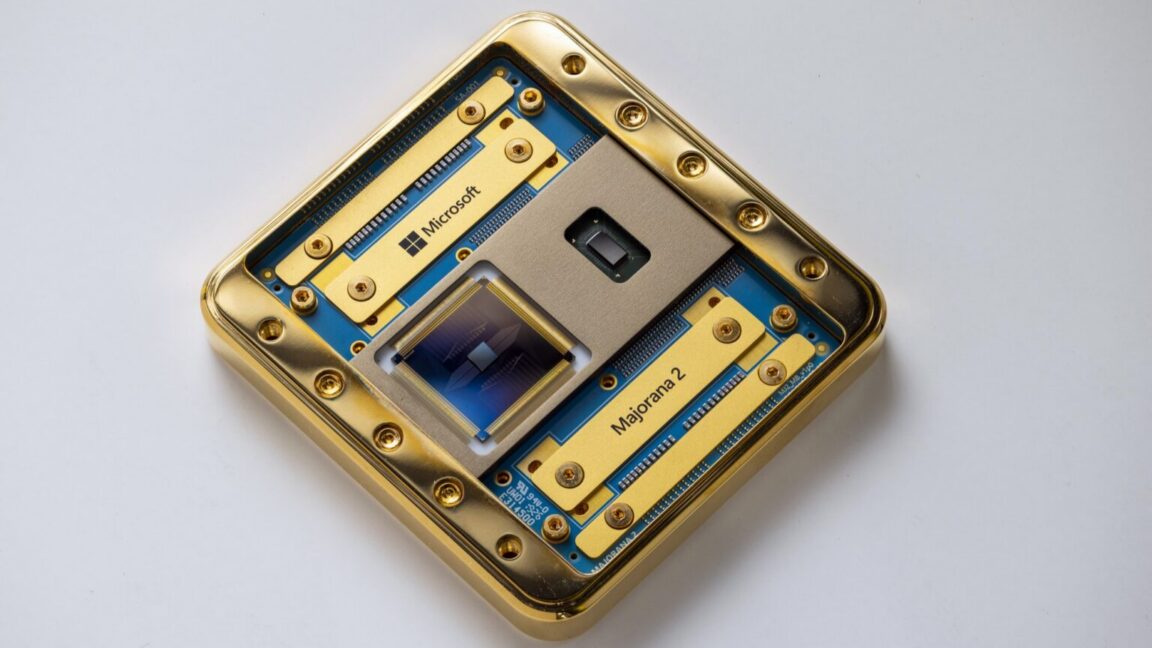
Quantum Computing Advances: Key Updates from Microsoft, Atom, and EeroQ
Microsoft, Atom Computing, and EeroQ share key updates in their quantum computing efforts, marking steady progress toward practical applications.

Star City Explores the Human Cost Behind the Soviet Space Program
Forget Mars colonies. Star City, the new spin-off from For All Mankind, dives deep into the gritty, dangerous, and often ethically complex world of the Soviet space program in the late 1960s.
A Gritty, High-Stakes Drama: Exploring the Soviet Space Program in Star City
Explore the untold story of the Soviet space program in Star City, a new Apple TV+ series that swaps the familiar American perspective for a gritty, high-stakes drama centered on its visionary, yet constrained, leadership.
The Byte-Pulse Newsroom is the editorial system that produces Byte-Pulse's daily tech news coverage. Each story is cross-referenced across 3+ independent outlets, drafted with AI assistance by the newsroom system (Drafter → Editor → Fact-Checker → Polisher), and reviewed by Serhat Er, Editor-in-Chief, before publication. We disclose AI augmentation openly. Editorial accountability stays with the named editor on every article. Tips: editorial@byte-pulse.net.
Don’t miss these
Asus ROG Phone 9 vs Sony Xperia 1 VII: Which Niche Flagship Earns Your Money?
Deciding between the gaming-focused ROG Phone 9 and the creator-centric Xperia 1 VII? This guide breaks down every spec to help you choose.
Proton VPN vs NordVPN: Which One Earns Your Subscription?
A deep dive into Proton VPN and NordVPN, comparing their privacy, performance, features, and value, helping you make an informed decision.
Perplexity Pro vs ChatGPT Plus: Which AI Assistant Fits Your Workflow?
This guide lays out the strengths and approaches of Perplexity Pro and ChatGPT Plus, helping you identify which AI assistant aligns with your specific needs.

Pokémon TCG Movie Signals Strategic Media Pivot for The Pokémon Company
A new Pokémon movie focused on the TCG is coming in 2027, marking a strategic pivot for the franchise as it navigates massive global fan engagement and logistical challenges.

Apple's AI Pivot: Vision Pro Content Cut, Siri Rebuilt Amid Layoffs
Apple's latest layoffs signal a strategic pivot, dialing back high-cost Vision Pro content while re-tooling Siri for the AI era. What's next for Apple?
Honor Magic 8 Pro vs Samsung Galaxy S26 Ultra: Which Future Flagship Fits Your Wallet and Workflow?
Deciding between the anticipated Honor Magic 8 Pro and Samsung Galaxy S26 Ultra? Our deep dive into expected specs and features provides the fair comparison you need.