Component Shortage Hits Nintendo Switch 2 Sales
Nintendo's new console battles supply chain woes.

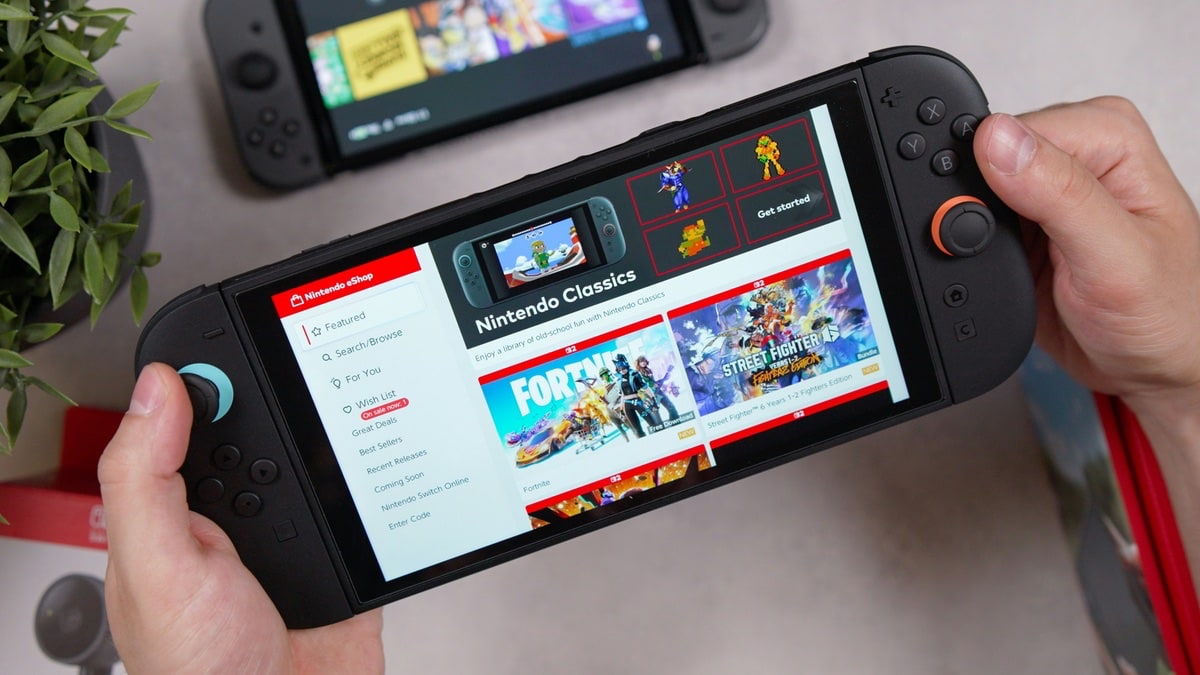
Component Shortage Hits Nintendo Switch 2 Sales
Nintendo recently unveiled its financial results for the past fiscal year, painting a complex picture for its latest console, the Switch 2. While the company experienced a substantial revenue increase of 98.6% from the previous year, reaching 2.313 trillion yen, the ongoing component shortage remains a significant challenge. This shortage has not only affected Nintendo but has also impacted the broader tech industry, underlining the interconnectedness of global supply chains.
Component Woes
The Nintendo Switch 2 launched with much fanfare in June 2025, and early sales figures were promising. However, the momentum has slowed. In the most recent quarter, Nintendo sold only 2.49 million Switch 2 units, bringing the total first-year sales to 19.86 million units. This decline is notable when compared to the more robust sales figures in the earlier quarters—7 million, 4.54 million, and 5.82 million units were sold in the first three quarters, respectively.
This drop in sales is primarily attributed to the global component shortage, a situation that has plagued the tech industry for several years now. The shortage has forced Nintendo to revise its sales expectations for the coming year, now projecting to sell 16.5 million consoles, a reduction from their original forecast. In response to these supply chain challenges, Nintendo has also announced an increase in the price of the Switch 2, a move likely to reflect the increased costs of production and logistics.
The Original Switch Fades
As the Switch 2 navigates these hurdles, the original Nintendo Switch is gradually being phased out. In the last quarter, just 560,000 units of the original Switch were sold, bringing the total sales to approximately 141.3 million units since its launch. This decline in sales is not unexpected, as consumers increasingly turn to the newer models. The gradual decline of the original Switch marks the end of an era for a console that has been pivotal in Nintendo's recent successes.
Software and Other Wins
Despite hardware challenges, Nintendo's software sales continue to thrive. During the last quarter, the company sold 10.79 million games for the Switch 2 and an impressive 27.98 million for the original model. This robust performance in software sales highlights a significant trend toward digital content, with digital sales comprising 54.6% of the total. This shift reflects broader industry trends, as consumers increasingly prefer the convenience of digital downloads over physical media.
Beyond gaming, Nintendo's ventures into entertainment have also been successful. The "Super Mario Galaxy" film, for instance, has grossed approximately 744 million euros globally in just four weeks. This success underscores the enduring appeal of Nintendo's iconic characters and the company's ability to leverage its intellectual properties across different media.
Comparing the Giants
Nintendo is not alone in facing hardware supply challenges. Industry giants Sony and Microsoft have also grappled with the impacts of the semiconductor shortage on their console production. However, Nintendo's strong performance in software sales and successful expansion into media ventures have helped mitigate some of the financial impacts of these supply chain issues.
Context
The component shortage affecting Nintendo and its competitors is part of a broader, industry-wide challenge. The COVID-19 pandemic significantly disrupted supply chains, leading to prolonged shortages in semiconductors—essential components for many tech products. This has impacted everything from gaming consoles to automobiles. In Europe, the shortage has prompted discussions about increasing domestic semiconductor production to reduce reliance on imports and improve supply chain resilience.
Still Up in the Air
Despite the current challenges, several questions remain unanswered:
- Will the component shortage ease soon? The tech industry is hopeful, but recovery timelines remain uncertain.
- How will the price hike affect Switch 2 demand? Consumers may be hesitant to purchase higher-priced consoles, potentially impacting Nintendo's sales targets.
- What’s Nintendo’s play to keep software sales strong? Continued investment in high-quality games and digital offerings will be crucial.
What This Means for You
For consumers, the component shortage and resulting price increase could mean higher costs for the latest gaming consoles and potential delays in availability. However, the thriving software market offers plenty of entertainment options for existing console owners. Gamers who own older models may find it increasingly difficult to purchase physical games, as the industry shifts towards digital formats.
What’s Still Unclear
While Nintendo navigates these challenges, it's unclear how long the component shortage will persist and what long-term impacts it will have on the gaming industry. The effectiveness of Nintendo's pricing strategy and its ability to maintain strong software sales will be critical in determining its future success. Additionally, how Nintendo will continue to innovate and expand its entertainment offerings remains to be seen.
In conclusion, Nintendo's situation exemplifies how global supply chain challenges can impact even the most successful companies. As the industry adapts to these challenges, Nintendo's ability to leverage its brand power and diversify its offerings could set important precedents for the future of gaming hardware and distribution. The coming months will be telling for Nintendo and the broader tech industry as they navigate these unprecedented challenges.
Current deals and reviews for the Nintendo Switch 2 on Amazon.
Check prices →Discuss this story
Got a take, a correction, or a follow-up tip? Reply where you read — we read everything.
Found an error? File a correction at /corrections. Substantive corrections are logged publicly.
One short email. The most important Gaming news, fact-checked, no fluff. Free, unsubscribe anytime.
More from Gaming

Pokémon TCG Movie Signals Strategic Media Pivot for The Pokémon Company
A new Pokémon movie focused on the TCG is coming in 2027, marking a strategic pivot for the franchise as it navigates massive global fan engagement and logistical challenges.

GTA 6's Realism Gamble: Will Player Patience Pay Off?
Byte-Pulse examines GTA 6's shift to ultra-realism, from complex Wanted systems to car refueling, and questions if 'ambition' justifies potential player friction.

Rockstar's Netflix Gambit: A 'New Thing' or Calculated Content Gate?
Rockstar Games initiated the Netflix exclusive 'extended look' for GTA 6, drawing ire from fans. We dissect the strategy and its implications.
GTA VI: Beyond the Hype - Costs, Console Choices, and Cyber Threats
Byte-Pulse examines GTA VI's colossal scope, the practicalities of console choice, and the digital dangers lurking beneath the launch hype.
The Byte-Pulse Newsroom is the editorial system that produces Byte-Pulse's daily tech news coverage. Each story is cross-referenced across 3+ independent outlets, drafted with AI assistance by the newsroom system (Drafter → Editor → Fact-Checker → Polisher), and reviewed by Serhat Er, Editor-in-Chief, before publication. We disclose AI augmentation openly. Editorial accountability stays with the named editor on every article. Tips: editorial@byte-pulse.net.
Don’t miss these
Asus ROG Phone 9 vs Sony Xperia 1 VII: Which Niche Flagship Earns Your Money?
Deciding between the gaming-focused ROG Phone 9 and the creator-centric Xperia 1 VII? This guide breaks down every spec to help you choose.
Proton VPN vs NordVPN: Which One Earns Your Subscription?
A deep dive into Proton VPN and NordVPN, comparing their privacy, performance, features, and value, helping you make an informed decision.
Perplexity Pro vs ChatGPT Plus: Which AI Assistant Fits Your Workflow?
This guide lays out the strengths and approaches of Perplexity Pro and ChatGPT Plus, helping you identify which AI assistant aligns with your specific needs.

Apple's AI Pivot: Vision Pro Content Cut, Siri Rebuilt Amid Layoffs
Apple's latest layoffs signal a strategic pivot, dialing back high-cost Vision Pro content while re-tooling Siri for the AI era. What's next for Apple?

D23 2026: Disney's Content Deluge Sparks Questions About Strategy
Byte-Pulse cuts through D23 hype: We dissect Disney's ambitious content slate, from Simpsons: Hit & Run to Ahsoka season 2, and question the real-world implications and European market strategy.
Honor Magic 8 Pro vs Samsung Galaxy S26 Ultra: Which Future Flagship Fits Your Wallet and Workflow?
Deciding between the anticipated Honor Magic 8 Pro and Samsung Galaxy S26 Ultra? Our deep dive into expected specs and features provides the fair comparison you need.