Apple's Rare Third macOS RC: Unpacking Security Concerns
The extended Release Candidate cycle for macOS Sonoma 14.8.8 and Sequoia 15.7.8 hints at complex security challenges


The long road to macOS 14.8.8 and 15.7.8
Apple's software development cycle is generally predictable, but the path to macOS Sonoma 14.8.8 and macOS Sequoia 15.7.8 has been anything but standard. The first Release Candidate for both systems arrived on May 26, carrying build 23J604 for Sonoma and 24G806 for Sequoia. A second RC followed on June 15, with build 23J607 for Sonoma and 24G809 for Sequoia. Now, less than two weeks later, a third RC has landed, bringing with it build 23J610 for Sonoma and 24G812 for Sequoia.
This extended cycle for what are technically minor point releases stands out. Apple is simultaneously managing other update streams, including the major updates like iOS 27 and macOS Golden Gate, and the more immediate x.6 companion releases for current operating systems. Juggling multiple parallel update streams introduces significant overhead and potential for disruption.
Why a third Release Candidate is unusual
The notion of a third Release Candidate, especially for a maintenance update, speaks to a deeper, more persistent challenge in the software development process. A third RC suggests that critical bugs or complex security vulnerabilities proved more difficult to resolve or verify than initially anticipated. From an operator's perspective, this indicates a problem that required multiple iterations to stabilize, or perhaps a vulnerability with intricate dependencies that needed extensive re-testing.
I'm skeptical that this is merely a cosmetic tweak. The resource allocation required to spin up, test, and distribute an additional RC build for two macOS versions, especially while simultaneously pushing out betas for the next major OS and other companion updates, is substantial. This move is made when the underlying problem is significant enough to warrant the extra effort.
What the security notes actually say
For both macOS Sonoma 14.8.8 and macOS Sequoia 15.7.8, Apple's official release notes are brief, stating: "This update provides important security fixes and is recommended for all users." The critical detail, the 'what' and 'how severe' of these "important security fixes," remains undisclosed. Apple has yet to update its dedicated security releases page, leaving users and enterprise IT departments in the dark regarding the precise nature of the threats being mitigated.
The potential for unannounced vulnerabilities
The combination of a rare third Release Candidate and the initial lack of detailed security information strongly suggests that Apple is grappling with significant, potentially actively exploited, vulnerabilities. Industry practice dictates that vendors often delay the full disclosure of zero-day exploits or severe flaws until a patch has been widely distributed. However, the extended RC cycle implies that the path to a stable fix for these particular issues has been anything but straightforward.
9to5Mac's reporting on macOS 26.5.2 underscores this urgency, noting that "it’s generally best to install minor updates promptly, as they may address recently discovered vulnerabilities already being exploited in the wild." The article referenced the "Coruna and DarkSword vulnerabilities" that prompted emergency fixes just a few months prior, reminding us that Apple has faced critical, in-the-wild exploits recently.
When Apple usually details security fixes
Apple's standard operating procedure is to release security content details on its dedicated support page after the public release of the software update, often hours or even days later. This approach creates a frustrating "trust gap" for those responsible for maintaining secure systems. For consumers, this might be a minor inconvenience, but for enterprise IT, especially in Europe where compliance and stability are paramount, it's a significant operational challenge.
This practice is becoming increasingly untenable in an era of sophisticated, rapidly evolving cyber threats. The delay in providing actionable intelligence on "important security fixes" puts the onus on the end-user or IT department to blindly trust the vendor, without the necessary context to understand the risk profile. The fact that Apple felt compelled to issue a third Release Candidate for these particular macOS versions indicates a level of urgency that transcends typical bug squashing. It matters because it means critical systems are vulnerable for longer, and the people tasked with protecting them are left to guess at the actual danger.
Sources cross-referenced
This story was synthesised from reporting by 4 outlets:
Hardware keys and password managers used by security pros.
Shop security gear →Discuss this story
Got a take, a correction, or a follow-up tip? Reply where you read — we read everything.
Found an error? File a correction at /corrections. Substantive corrections are logged publicly.
One short email. The most important Security news, fact-checked, no fluff. Free, unsubscribe anytime.
More from Security

eBay's $55.7M Cyberstalking Settlement: A Corporate Culture of Coercion Exposed
Byte-Pulse investigates the eBay cyberstalking case, revealing a disturbing harassment campaign, executive involvement, and the broader implications for corporate ethics.
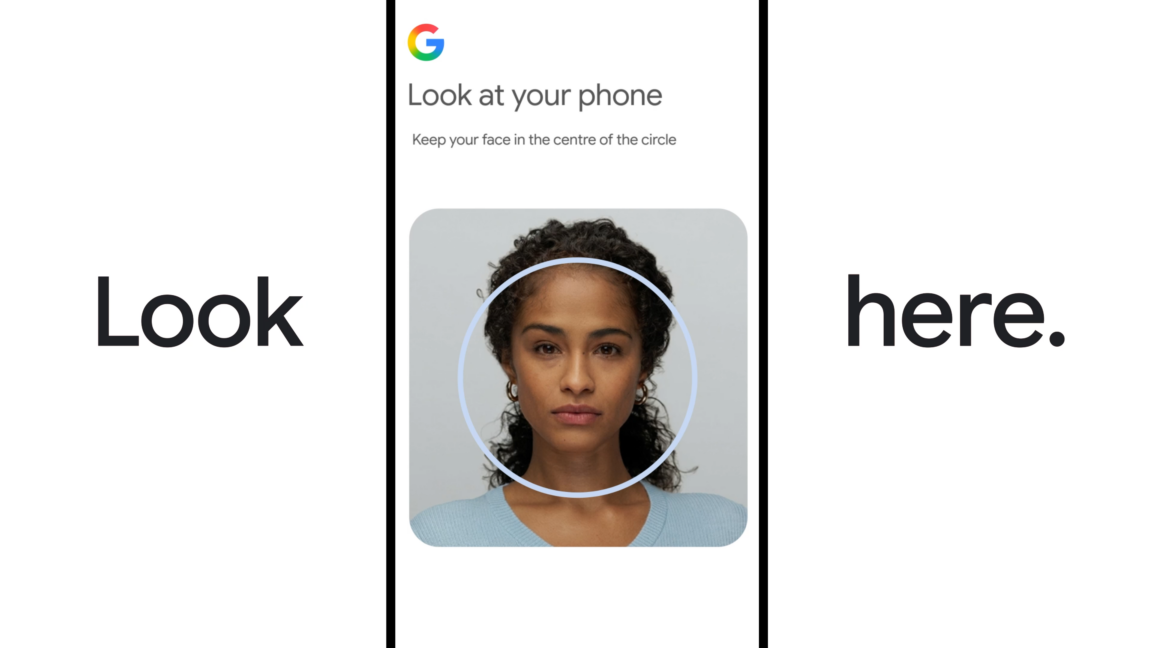
Google's Selfie Login: Convenience Meets Data Privacy Alarms
Google introduces a video selfie login, but the implications for data privacy and AI training warrant scrutiny beyond convenience

Google’s Legal Battle Against AI-Driven Cybercrime: Examining Outsider Enterprise
Google's lawsuit against Outsider Enterprise exposes differences in victim counts and sheds light on AI's role in cybercrime.

iOS 26.5 Update Addresses Over 50 Security Vulnerabilities—Update Now
Apple's iOS 26.5 fixes over 50 security flaws. Update your iPhone now to stay secure.
The Byte-Pulse Newsroom is the editorial system that produces Byte-Pulse's daily tech news coverage. Each story is cross-referenced across 3+ independent outlets, drafted with AI assistance by the newsroom system (Drafter → Editor → Fact-Checker → Polisher), and reviewed by Serhat Er, Editor-in-Chief, before publication. We disclose AI augmentation openly. Editorial accountability stays with the named editor on every article. Tips: editorial@byte-pulse.net.
Don’t miss these
Xiaomi 16 Pro vs iPhone 18 Pro: Which Flagship Fits Your World?
Deciding between the Xiaomi 16 Pro and iPhone 18 Pro? We break down every spec and trade-off, so you can make the choice that's right for you.
Proton VPN vs NordVPN: Which One Earns Your Subscription?
A deep dive into Proton VPN and NordVPN, comparing their privacy, performance, features, and value, helping you make an informed decision.
Perplexity Pro vs ChatGPT Plus: Which AI Assistant Fits Your Workflow?
This guide lays out the strengths and approaches of Perplexity Pro and ChatGPT Plus, helping you identify which AI assistant aligns with your specific needs.

Pokémon TCG Movie Signals Strategic Media Pivot for The Pokémon Company
A new Pokémon movie focused on the TCG is coming in 2027, marking a strategic pivot for the franchise as it navigates massive global fan engagement and logistical challenges.

Apple's AI Pivot: Vision Pro Content Cut, Siri Rebuilt Amid Layoffs
Apple's latest layoffs signal a strategic pivot, dialing back high-cost Vision Pro content while re-tooling Siri for the AI era. What's next for Apple?
Motorola Edge 60 Ultra vs OnePlus 13: Which Android Flagship Fits Your Priorities?
Motorola Edge 60 Ultra and OnePlus 13 both aim for top-tier Android. We cut through the marketing to reveal the true differences, helping you choose.