Double Fine Employees Pursue Unionization with CWA at Xbox Studio
Double Fine, known for Psychonauts, files for union under CWA with NLRB.

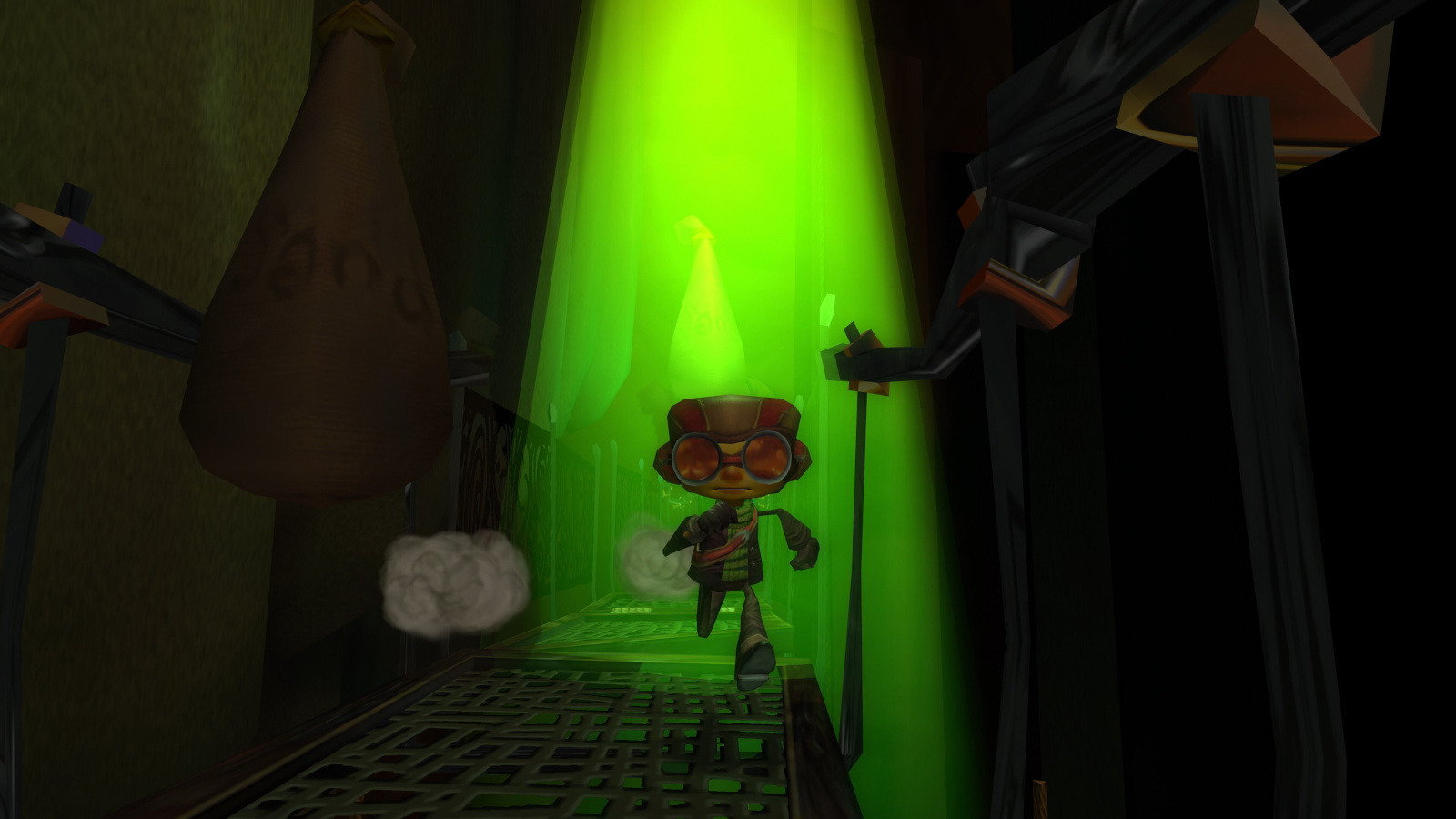
The gaming industry, much like other sectors of the tech world, is witnessing a pivotal shift as more studios embrace unionization. A prime example of this trend is Double Fine Productions, the creative force behind the beloved Psychonauts series. On May 7, Double Fine made headlines by filing a petition with the National Labor Relations Board (NLRB), seeking to establish a union under the Communications Workers of America (CWA). This move encompasses all 42 of their regular part-time and full-time employees, signaling a significant step toward collective bargaining.
A Step Toward Unionization
Unionization efforts at Double Fine aim to enhance not only worker quality of life but also the studio's creative output, diversity, and inclusion. In their pursuit of formal recognition, Double Fine has requested Microsoft's voluntary acknowledgment of the union. Simultaneously, they've filed an election petition with the NLRB, preparing for the possibility of a formal election should Microsoft choose not to grant voluntary recognition.
The CWA has expressed satisfaction with Microsoft's stance, as the tech giant has chosen a neutral position on the matter. In a statement, the CWA remarked, "We appreciate that Microsoft has taken a neutral approach and agreed not to interfere in any way with workers' rights to organize unions." This neutrality is crucial as it sets the tone for how other companies might handle similar situations in the future.
Context: A Broader Industry Movement
Double Fine's unionization efforts are part of a larger movement within the gaming industry. This movement is not isolated to just one studio or company. Several Microsoft-owned developers have already made similar strides. For instance, more than 500 employees working on World of Warcraft at Blizzard formed a union with the CWA in 2024. Following closely were nearly 200 developers from the Overwatch team. Additionally, ZeniMax Studios, known for The Elder Scrolls Online, saw its quality assurance employees ratify a union agreement with Microsoft last year. Moreover, over 450 Diablo developers at Blizzard voted to unionize with the CWA in August 2025.
The gaming industry is not alone in this trend. Across the tech landscape, unionization efforts are gaining momentum in fields where creative and technical labor are paramount. From journalism to software development, workers are seeking representation to address issues such as job security, fair wages, and improved workplace conditions.
Following a Trend in Gaming
Double Fine joined the ranks of Xbox Game Studios in 2019, a move that expanded its creative capabilities under Microsoft's umbrella. Known for crafting unique and innovative titles like Psychonauts 2, Keeper, and Kiln, Double Fine has always been a studio that pushes creative boundaries. Their decision to unionize reflects broader industry trends, as gaming professionals increasingly seek representation to secure fair treatment, equitable pay, and better job security.
This push for unionization can be seen as a natural response to the evolving demands of the gaming industry. As the sector experiences rapid growth and increased competition, the need for stable, supportive work environments becomes ever more critical. Workers are advocating for conditions that not only sustain their livelihoods but also enhance their ability to produce high-quality, groundbreaking content.
What's Still Unclear
While Double Fine's unionization move is a significant development, several questions remain:
- Will Microsoft choose to grant voluntary recognition, or will the process proceed to a formal election?
- How will this unionization effort impact Double Fine's operations and the development of future projects?
- What implications might this have for other studios within the Xbox Game Studios ecosystem?
These uncertainties highlight the complexities involved in unionization efforts and the potential challenges that lie ahead for both Double Fine and Microsoft.
What This Means for You
For gamers and industry professionals alike, Double Fine's unionization efforts could herald a new era in the gaming industry. With more studios potentially following suit, players might see changes in how games are developed and the conditions under which developers work. This could lead to more sustainable production practices, potentially resulting in improved game quality and innovation.
For employees within the tech and gaming sectors, this move underscores the growing momentum behind labor rights and unionization. It serves as an example of how collective action can drive meaningful change, potentially inspiring other studios and tech companies to consider similar steps.
How it Compares: Unionization in Tech
The rise of unionization in gaming is mirrored in other tech fields, particularly where creativity and technical expertise are vital. Industries such as journalism and software development are also seeing an increase in unionization efforts, driven by similar concerns over job security, equitable pay, and workplace conditions. This cross-industry momentum suggests a broader cultural shift towards recognizing and addressing the needs of the workforce in sectors heavily reliant on skilled labor.
Closing Editorial Take
Double Fine's decision to pursue unionization is a significant moment in the gaming industry's ongoing evolution. As studios continue to push creative boundaries, ensuring a fair and supportive work environment becomes increasingly vital. This move not only sets a precedent for other developers considering unionization but also highlights the importance of addressing labor rights in an industry that has long been characterized by its passion-driven workforce. Ultimately, this development could inspire a more equitable and sustainable future for gaming and tech professionals alike.
Discuss this story
Got a take, a correction, or a follow-up tip? Reply where you read — we read everything.
Found an error? File a correction at /corrections. Substantive corrections are logged publicly.
One short email. The most important Gaming news, fact-checked, no fluff. Free, unsubscribe anytime.
More from Gaming

Pokémon TCG Movie Signals Strategic Media Pivot for The Pokémon Company
A new Pokémon movie focused on the TCG is coming in 2027, marking a strategic pivot for the franchise as it navigates massive global fan engagement and logistical challenges.

GTA 6's Realism Gamble: Will Player Patience Pay Off?
Byte-Pulse examines GTA 6's shift to ultra-realism, from complex Wanted systems to car refueling, and questions if 'ambition' justifies potential player friction.

Rockstar's Netflix Gambit: A 'New Thing' or Calculated Content Gate?
Rockstar Games initiated the Netflix exclusive 'extended look' for GTA 6, drawing ire from fans. We dissect the strategy and its implications.

GTA VI: Beyond the Hype - Costs, Console Choices, and Cyber Threats
Byte-Pulse examines GTA VI's colossal scope, the practicalities of console choice, and the digital dangers lurking beneath the launch hype.
The Byte-Pulse Newsroom is the editorial system that produces Byte-Pulse's daily tech news coverage. Each story is cross-referenced across 3+ independent outlets, drafted with AI assistance by the newsroom system (Drafter → Editor → Fact-Checker → Polisher), and reviewed by Serhat Er, Editor-in-Chief, before publication. We disclose AI augmentation openly. Editorial accountability stays with the named editor on every article. Tips: editorial@byte-pulse.net.
Don’t miss these
Proton VPN vs NordVPN: Which One Earns Your Subscription?
A deep dive into Proton VPN and NordVPN, comparing their privacy, performance, features, and value, helping you make an informed decision.
Perplexity Pro vs ChatGPT Plus: Which AI Assistant Fits Your Workflow?
This guide lays out the strengths and approaches of Perplexity Pro and ChatGPT Plus, helping you identify which AI assistant aligns with your specific needs.

Apple's AI Pivot: Vision Pro Content Cut, Siri Rebuilt Amid Layoffs
Apple's latest layoffs signal a strategic pivot, dialing back high-cost Vision Pro content while re-tooling Siri for the AI era. What's next for Apple?

Apple's 'Deep Discounts': US Inventory Flush, Not European Bargains
Byte-Pulse examines Apple's recent US sales, revealing that 'deep discounts' on popular devices like the iPhone 17 Pro and M3 iPad Air are less about consumer savings and more about clearing stock ahead of new launches. We critically assess whether these offers translate to real value for European buyers.

D23 2026: Disney's Content Deluge Sparks Questions About Strategy
Byte-Pulse cuts through D23 hype: We dissect Disney's ambitious content slate, from Simpsons: Hit & Run to Ahsoka season 2, and question the real-world implications and European market strategy.
Notion vs Obsidian: Which Knowledge Hub Fits Your Workflow?
Deciding between Notion and Obsidian? We break down the core differences in philosophy, data ownership, collaboration, and extensibility to help you choose.