Germany Introduces New Subsidies for Electric Vehicles
German government finalizes retroactive electric vehicle subsidies.

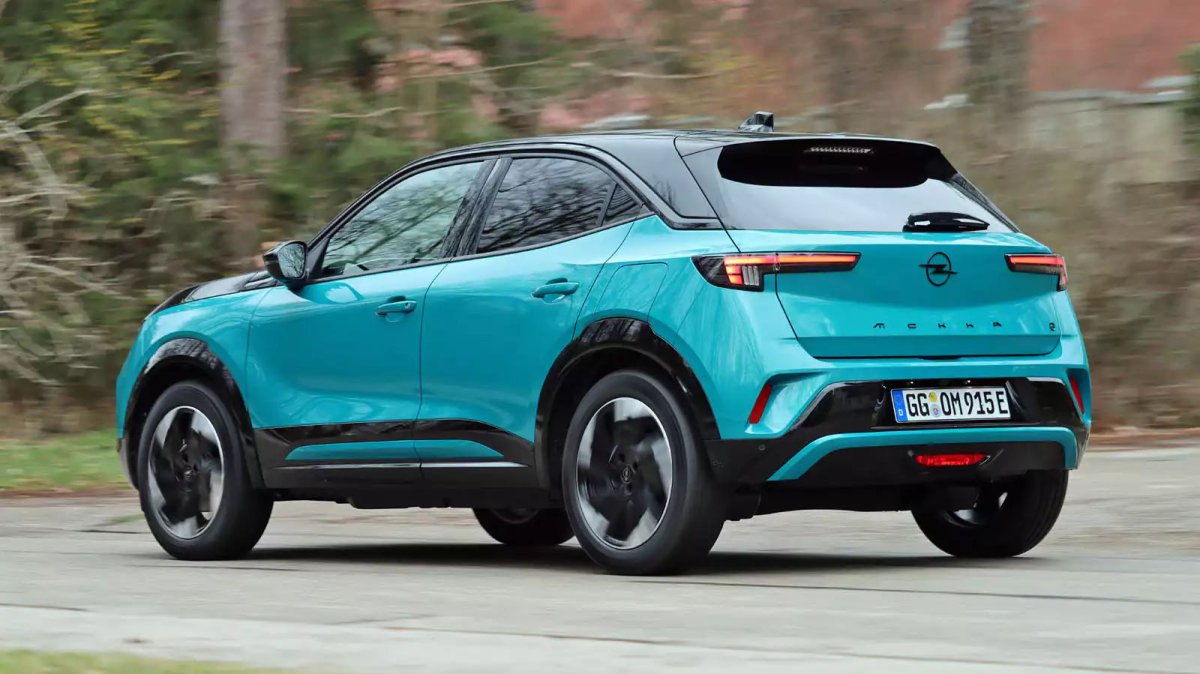
Germany Introduces New Subsidies for Electric Vehicles
In a significant step towards fostering a greener future, Germany has unveiled a comprehensive incentive program aimed at promoting the adoption of electric vehicles (EVs). This initiative is not just about reducing carbon emissions; it's a strategic move to position Germany as a leader in sustainable transportation. Both the Bundestag and Bundesrat have given their approval, opening the door for financial assistance to private buyers of battery-electric vehicles, plug-in hybrids, and EVs equipped with range extenders. This program is a cornerstone of Germany's broader climate strategy, underscoring its commitment to slashing carbon footprints and advancing eco-friendly transport solutions.
What's in the Incentive Program?
The latest incentive program is designed to make electric vehicles more accessible to a broader audience. Subsidies range from €500 to €6,000, depending on the type of vehicle and the buyer's financial situation. For battery-electric vehicles, the baseline subsidy is €3,000. However, for those earning less, the incentives are more substantial:
- If your annual income is up to €60,000, you are eligible for a €4,000 subsidy.
- For individuals earning a maximum of €45,000, the subsidy increases to €5,000.
- Additionally, families can receive €500 per child, with a cap at €1,000.
These subsidies are strategically designed to encourage the transition from traditional gas-powered vehicles to more sustainable options. By focusing on income-based criteria, the program aims to ensure that financial support reaches those who might otherwise find the cost of EVs prohibitive.
Who Qualifies for These Subsidies?
The program's eligibility criteria are carefully crafted to target households in need. To qualify, households must have an annual income of up to €80,000. For families with two children, this cap is raised to €90,000. This approach not only addresses economic disparities but also aligns with Germany's environmental ambitions by broadening access to cleaner transport options. By integrating social equity into the environmental framework, the program reflects a holistic understanding of sustainability that includes both ecological and economic dimensions.
Germany's Leadership in the EV Sector
Germany has long been at the forefront of the automotive industry, and its leadership is now extending into the electric vehicle sector. With ambitious climate goals, Germany aims to significantly reduce its greenhouse gas emissions, and this new subsidy program is a vital component of that agenda. By stimulating demand for electric vehicles, Germany not only contributes to global climate efforts but also reinforces its position as a pioneer in clean energy solutions. This initiative is expected to create a ripple effect, encouraging other nations to adopt similar measures in pursuit of a more sustainable future.
Context: European Incentives and the Global Picture
Across Europe, various countries have implemented their own EV incentive schemes. Norway, for instance, has gained attention for its substantial tax breaks, while France offers bonuses for trading in older, more polluting vehicles for new electric models. What distinguishes Germany's approach is its income-based scaling, which ensures that the subsidies are distributed more equitably and reach a wider audience. This model could serve as an inspiration for other countries looking to design inclusive and effective environmental policies.
What's Still Unclear?
Despite the program's potential, several questions remain unanswered:
- Is the application process user-friendly? Ensuring a straightforward application process is crucial for widespread participation. Complex procedures could deter eligible individuals from applying.
- How will fraud or misuse be prevented? Safeguards are necessary to ensure that the subsidies reach their intended recipients and are not exploited by those seeking to game the system.
- What are the long-term funding plans? Given the potential uptake in EVs, it's vital to understand how the program will be financed over the long term, especially as demand increases.
These uncertainties highlight the need for ongoing evaluation and adjustment of the program to maximize its effectiveness and sustainability.
What This Means for You
For consumers, this program represents a significant opportunity to invest in a cleaner, more sustainable mode of transportation. By making electric vehicles more financially accessible, the German government is not only helping individuals reduce their carbon footprints but also encouraging the adoption of cutting-edge technology. This can lead to long-term savings on fuel and maintenance while contributing to environmental conservation efforts.
In the broader economic context, the push for electric vehicles is likely to stimulate growth in related industries, including renewable energy and automotive technology. As Germany leads the charge, it sets a precedent that could influence global markets and inspire other nations to enhance their sustainability initiatives.
In the end, this subsidy program is more than just a financial incentive; it's a call to action for individuals and governments alike to embrace a more sustainable way of living. While there are still hurdles to overcome, Germany's commitment to fostering a green economy is a promising step toward a brighter, more sustainable future. As the program unfolds, it will be crucial to address the uncertainties and ensure that the benefits reach those who need them the most.
Discuss this story
Got a take, a correction, or a follow-up tip? Reply where you read — we read everything.
Found an error? File a correction at /corrections. Substantive corrections are logged publicly.
One short email. The most important EV & Auto news, fact-checked, no fluff. Free, unsubscribe anytime.
More from EV & Auto
Tesla Model 3 vs Polestar 2: Choosing Your Next EV Wisely
A balanced breakdown of Tesla Model 3 and Polestar 2. Compare specs, performance, design, and more to find the right EV for you.
Tesla Model Y vs Hyundai Ioniq 5: Which Electric SUV Fits Your Drive?
Tesla Model Y and Hyundai Ioniq 5 go head-to-head in this comprehensive guide. Discover which EV aligns with your priorities.
Tesla Model 3 vs BYD Seal: Which Electric Sedan Suits Your Drive?
Tesla Model 3 and BYD Seal each offer unique strengths in the EV market. Explore specs and decide which aligns with your lifestyle.
Best Aftermarket Displays for Android Auto and Apple CarPlay in 2023
Discover standout aftermarket displays for Android Auto and Apple CarPlay, their unique features, and how they compare.
The Byte-Pulse Newsroom is the editorial system that produces Byte-Pulse's daily tech news coverage. Each story is cross-referenced across 3+ independent outlets, drafted with AI assistance by the newsroom system (Drafter → Editor → Fact-Checker → Polisher), and reviewed by Serhat Er, Editor-in-Chief, before publication. We disclose AI augmentation openly. Editorial accountability stays with the named editor on every article. Tips: editorial@byte-pulse.net.
Don’t miss these
Proton VPN vs NordVPN: Which One Earns Your Subscription?
A deep dive into Proton VPN and NordVPN, comparing their privacy, performance, features, and value, helping you make an informed decision.
Perplexity Pro vs ChatGPT Plus: Which AI Assistant Fits Your Workflow?
This guide lays out the strengths and approaches of Perplexity Pro and ChatGPT Plus, helping you identify which AI assistant aligns with your specific needs.

Pokémon TCG Movie Signals Strategic Media Pivot for The Pokémon Company
A new Pokémon movie focused on the TCG is coming in 2027, marking a strategic pivot for the franchise as it navigates massive global fan engagement and logistical challenges.

Apple's AI Pivot: Vision Pro Content Cut, Siri Rebuilt Amid Layoffs
Apple's latest layoffs signal a strategic pivot, dialing back high-cost Vision Pro content while re-tooling Siri for the AI era. What's next for Apple?

Apple's 'Deep Discounts': US Inventory Flush, Not European Bargains
Byte-Pulse examines Apple's recent US sales, revealing that 'deep discounts' on popular devices like the iPhone 17 Pro and M3 iPad Air are less about consumer savings and more about clearing stock ahead of new launches. We critically assess whether these offers translate to real value for European buyers.

D23 2026: Disney's Content Deluge Sparks Questions About Strategy
Byte-Pulse cuts through D23 hype: We dissect Disney's ambitious content slate, from Simpsons: Hit & Run to Ahsoka season 2, and question the real-world implications and European market strategy.