Google Play Integrates Gemini AI for Smarter App Discovery and Development
Google's Gemini AI is set to boost Play Store with content suggestions and better developer tools.

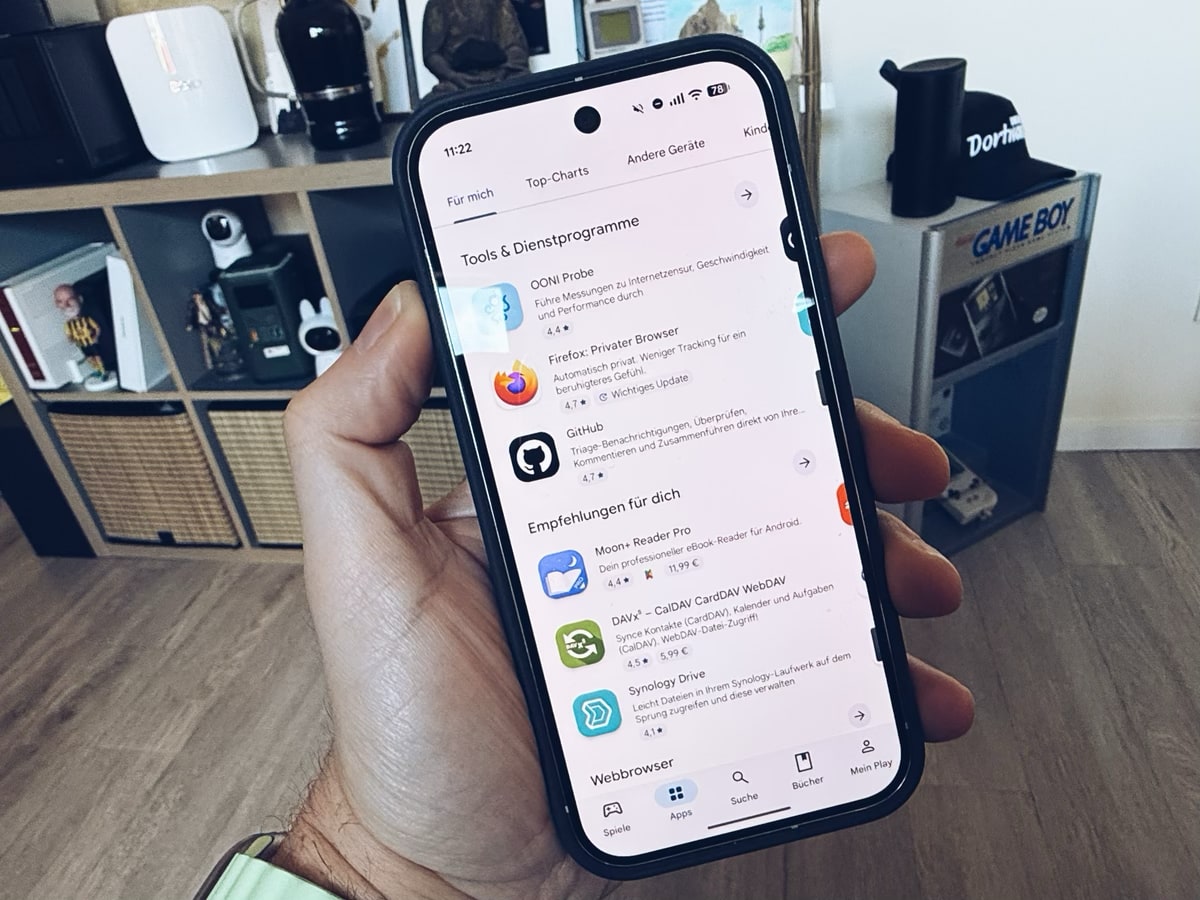
Google's making some big moves with its Play Store, integrating its Gemini AI right into the core. The idea? Turn the app platform from just a place to buy stuff into something smarter, more interactive. A real hub for users and developers.
Enhanced Discovery with Gemini AI
Gemini AI is at the heart of this whole transformation. Soon, the AI starts suggesting apps and games right there in the Android app and on the web. It's a significant shift from the traditional search-based model, aiming to make the user experience smoother and more intuitive. By the end of the year, this system will expand to cover over 450,000 films and series, as well as sports streaming information. The goal is straightforward: direct users to what they want quicker, reducing the time spent hunting around. Imagine searching for a new movie to watch and having the AI immediately suggest titles based on your past viewing habits, complete with links to where you can stream them.
This approach reflects broader trends in AI-driven personalization, which are becoming increasingly expected by users accustomed to the tailored experiences provided by platforms like Netflix and Spotify. By integrating AI into the Play Store, Google isn't just enhancing its service; it's aligning itself with user expectations in the digital age.
Developer-Centric Updates
Developers aren't left out. The Engage SDK is getting updates, pulling content directly into store listings and introducing new tablet interfaces. This means developers can present their apps more dynamically and interactively, potentially increasing engagement and downloads. It's already live in over 80 markets, highlighting Google's commitment to providing these tools on a global scale.
And get this: Google's rolling out Play Shorts. Think short, vertical videos that offer a quick peek at an app's features and design. Imagine scrolling through the Play Store and instantly getting a feel for an app's functionality through a 15-second clip. This feature will launch in the US first, likely as a testing ground before a broader rollout.
Oh, and 'Ask Play'? That's a chat-based AI search. Users can ask follow-up questions and get quick summaries, which should make finding the perfect app a lot faster, right? This aligns with the growing trend of conversational AI interfaces, seen in the rise of smart assistants like Google Assistant and Amazon's Alexa.
Gaming and Social Enhancements
Gamers, listen up. Google's introducing Play Games Sidekick, an overlay that provides AI-powered tips, achievements, and rewards right inside your games. This feature is designed to enhance the gaming experience by offering real-time assistance and motivation. Next month, social features will arrive, allowing users to see what their friends are playing. This social integration is a nod to the success of platforms like Steam, where social features drive user engagement and retention. Play Games Sidekick itself will be global by summer for participating titles, reflecting Google's ambition to create a unified gaming experience across its platform.
Streamlined Management and Payment Systems
Behind the scenes, the Play Console Program is getting a boost too. Gemini AI will help translate store entries and subscription benefits, making it easier for developers to reach global audiences. New automation tools will allow for bulk price changes and metadata imports, streamlining the management process for developers. AI-generated store pages will help optimize for specific search terms, potentially increasing visibility and downloads.
Payment systems are also getting a facelift. A new delayed load feature means immediate content access, even if payments are retrying in the background. This could reduce user frustration and potentially increase conversion rates. The account recovery period for failed payments is doubling from 30 to 60 days, presumably leading to fewer cancellations. New interfaces will allow users to switch plans or accept offers right there when they try to cancel, reducing friction in the cancellation process.
Context: A Competitive Edge in Europe
What about Europe? The EU market demands tough regulatory compliance and strong data protection. Google's AI features could give them an edge there, especially in countries with high privacy standards. It aligns with the EU's push for digital innovation, presenting Google as a forward-thinking leader in the app marketplace. The integration of AI could also help Google better navigate the complex regulatory landscape by providing more transparent and personalized user experiences.
What This Means for You
So, what's all this mean for you? As an Android user, you can expect a more personalized experience when finding apps and content. The integration of AI promises to make the Play Store not just a marketplace, but a dynamic platform that understands and caters to your individual preferences. For developers, new tools could make managing and marketing apps more efficient, potentially leading to increased revenue and user engagement. And gamers should keep an eye peeled for that Sidekick feature, which promises to boost your gaming experience with real-time insights and social connectivity.
What's Still Unclear
These updates sound pretty impressive, sure. But how will they shake up Google's competition with other app stores, especially where local players are strong? We honestly don't know yet. Markets like China, with dominant local app stores, pose a unique challenge. The big question: How good will this AI actually be at recommending stuff? That's still TBD. Personalization is only as good as the data and algorithms that drive it, so Google's ability to fine-tune these systems will be critical.
Why This Matters
Google Play tying in with Gemini AI could redefine how we find apps and how we use them on Android. By using AI to improve experiences for both users and developers, Google is positioning itself as a leader in the digital marketplace. This move highlights a broader trend towards AI integration across digital platforms, potentially setting a new global standard for app platforms. Google's success in this endeavor could influence how other tech giants approach AI integration, pushing the boundaries of what's possible in digital marketplaces. We'll see how it all pans out.
Discuss this story
Got a take, a correction, or a follow-up tip? Reply where you read — we read everything.
Found an error? File a correction at /corrections. Substantive corrections are logged publicly.
One short email. The most important AI news, fact-checked, no fluff. Free, unsubscribe anytime.
More from AI
Perplexity Pro vs ChatGPT Plus: Which AI Assistant Fits Your Workflow?
This guide lays out the strengths and approaches of Perplexity Pro and ChatGPT Plus, helping you identify which AI assistant aligns with your specific needs.
Claude Pro vs Google Gemini Advanced: Which AI Assistant Deserves Your Subscription?
This definitive guide cuts through the marketing to give you a fair, balanced breakdown of Claude Pro and Gemini Advanced, letting you decide which AI best fits your workflow.
Claude Pro vs Google Gemini Advanced: Which AI Actually Earns Your Subscription?
Byte-Pulse lays out the real trade-offs between Claude Pro and Google Gemini Advanced, helping you pick the AI that fits your workflow, without picking for you.
ChatGPT Plus vs Google Gemini Advanced: Which AI Assistant Fits Your Workflow?
Deciding between ChatGPT Plus and Google Gemini Advanced? We break down the models, features, integrations, and pricing to help you align your choice with your specific priorities.
The Byte-Pulse Newsroom is the editorial system that produces Byte-Pulse's daily tech news coverage. Each story is cross-referenced across 3+ independent outlets, drafted with AI assistance by the newsroom system (Drafter → Editor → Fact-Checker → Polisher), and reviewed by Serhat Er, Editor-in-Chief, before publication. We disclose AI augmentation openly. Editorial accountability stays with the named editor on every article. Tips: editorial@byte-pulse.net.
Don’t miss these
Asus ROG Phone 9 vs Sony Xperia 1 VII: Which Niche Flagship Earns Your Money?
Deciding between the gaming-focused ROG Phone 9 and the creator-centric Xperia 1 VII? This guide breaks down every spec to help you choose.
Proton VPN vs NordVPN: Which One Earns Your Subscription?
A deep dive into Proton VPN and NordVPN, comparing their privacy, performance, features, and value, helping you make an informed decision.

Pokémon TCG Movie Signals Strategic Media Pivot for The Pokémon Company
A new Pokémon movie focused on the TCG is coming in 2027, marking a strategic pivot for the franchise as it navigates massive global fan engagement and logistical challenges.

Apple's AI Pivot: Vision Pro Content Cut, Siri Rebuilt Amid Layoffs
Apple's latest layoffs signal a strategic pivot, dialing back high-cost Vision Pro content while re-tooling Siri for the AI era. What's next for Apple?

D23 2026: Disney's Content Deluge Sparks Questions About Strategy
Byte-Pulse cuts through D23 hype: We dissect Disney's ambitious content slate, from Simpsons: Hit & Run to Ahsoka season 2, and question the real-world implications and European market strategy.
Honor Magic 8 Pro vs Samsung Galaxy S26 Ultra: Which Future Flagship Fits Your Wallet and Workflow?
Deciding between the anticipated Honor Magic 8 Pro and Samsung Galaxy S26 Ultra? Our deep dive into expected specs and features provides the fair comparison you need.