Intel Pushes Pricier 18A CPUs, Forcing PC Maker Cost Increases
Intel shifts focus from consumer to server CPUs, urging PC makers to adopt pricier Intel-18A chips.

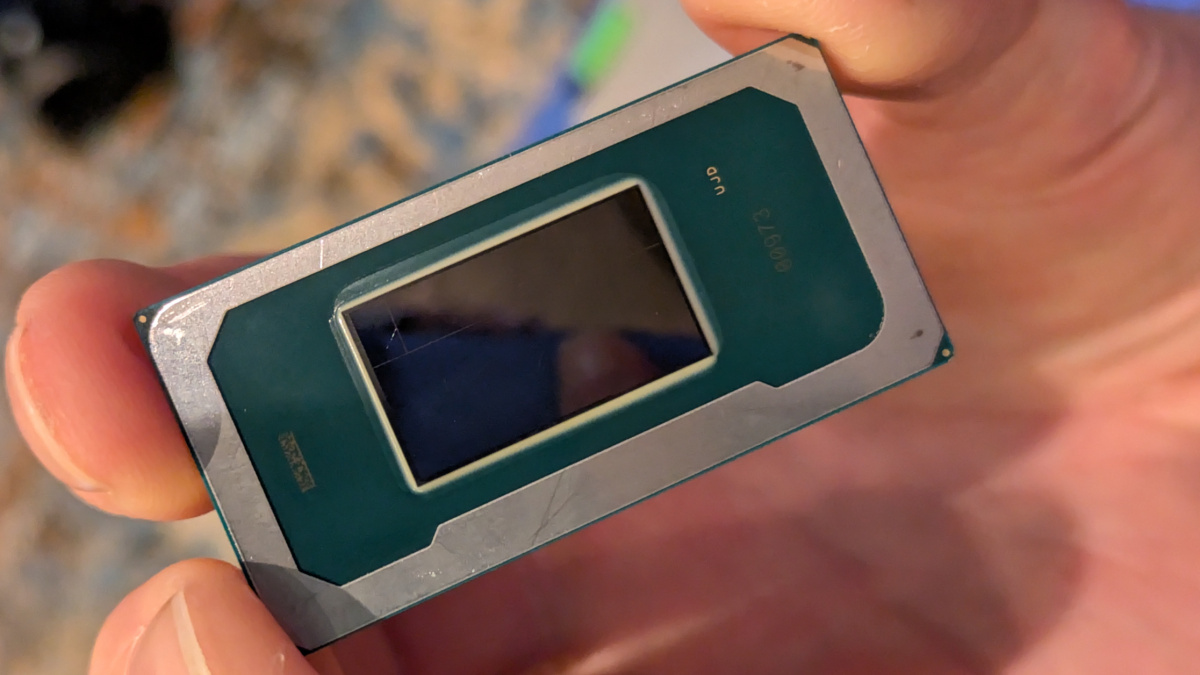
Intel Pushes Intel-18A CPUs, Squeezes PC Makers on Costs
Intel's reportedly leaning on PC manufacturers, urging them to embrace its newer Intel-18A CPUs, thereby moving away from the older Intel 7 models. This strategy is driven by a need to allocate critical production resources more effectively. Intel's server processors are experiencing a surge in demand, necessitating a strategic pivot. By redirecting their 7-nm manufacturing capabilities—originally used for consumer models—toward the more lucrative server CPUs, Intel aims to optimize its production and revenue streams.
Intel's Strategic Shift
Intel's recent chip lineup, including the Panther Lake and Wildcat Lake series, signals a significant transformation in their manufacturing approach. For a period, Intel leaned substantially on external manufacturing, a common practice in the semiconductor industry to meet demand and reduce costs. However, the tide is shifting. Intel is ramping up its in-house production, particularly for notebooks. This shift is part of a broader strategy to regain control over manufacturing processes and ensure supply chain stability.
Despite the introduction of these new models, older 13th-generation processors continue to sell well, demonstrating the lingering market demand for reliable and cost-effective technology. Yet, Intel is keenly focused on persuading PC makers to transition to its cutting-edge 18A fabrication technology. This transition, however, comes with challenges. The new processors are more expensive than their Intel 7 predecessors, posing a financial burden on manufacturers. Redesigning motherboards and integrating higher-quality components are necessary steps to accommodate the new technology, further escalating costs.
Intel is prioritizing its server CPU production, impacting consumer CPU availability.
Manufacturer Dilemmas
PC manufacturers find themselves at a crossroads, facing a tough decision. They can either align with Intel's push for the pricier Intel-18A CPUs or risk having their orders deprioritized in favor of other customers. Given the current tight chip supply, manufacturers have limited flexibility. The pressure is on them to incorporate Intel's newer Core Series 3 CPUs, predominantly featured in higher-priced notebook markets.
- Adoption of new CPUs necessitates motherboard redesign
- Increased costs associated with Intel-18A CPUs
- Limited alternatives due to ongoing supply constraints
In practical terms, this means that manufacturers must weigh the potential benefits of adopting the latest technology against the financial implications. For some, this could mean absorbing the added costs in the short term, while others might pass these expenses onto consumers, leading to higher retail prices.
Context: The European Perspective
The shift could have significant repercussions in Europe, a region traditionally reliant on affordable consumer technology. Intel's strategy aligns with its global objective to maximize server CPU margins, but it places additional strain on European manufacturers. They face the dilemma of either absorbing the increased costs themselves or passing these costs directly onto consumers. In a market where consumer affordability is crucial, this could result in a notable impact on sales and market dynamics.
What this means for you
For consumers considering a PC or notebook upgrade, this development might lead to noticeable price increases in the coming months. As manufacturers are pressured to adopt more costly CPUs, retail prices are likely to rise. If you're planning to purchase a new device, it might be wise to do so sooner rather than later, before potential price hikes take effect.
The transition to Intel-18A CPUs could push notebook prices higher.
What's still unclear
Several questions remain unanswered. How will Intel's strategy influence long-term pricing trends in the consumer market? Can PC manufacturers negotiate more favorable terms with Intel, or will they ultimately transfer these increased costs to consumers? Additionally, how will this strategic shift affect Intel's competition with AMD and other chipmakers? These are critical considerations that could shape the industry's future.
Furthermore, the impact on global supply chains and potential delays in production timelines remain uncertain. With the semiconductor industry still recovering from pandemic-induced disruptions, any major shifts in manufacturing priorities could exacerbate existing challenges.
Why this matters
Intel's aggressive move to prioritize server over consumer CPUs marks a pivotal moment in its strategic roadmap. By nudging manufacturers toward more expensive models, Intel aims to capitalize on the higher margins associated with server CPUs. However, this approach could lead to increased costs for consumers, particularly in markets where affordability is a key purchasing factor.
The impact on European markets, where budget-conscious consumers dominate, could be especially pronounced. As manufacturers navigate these challenges, consumers may face limited choices and higher prices, affecting purchasing decisions and market dynamics. Ultimately, this strategic shift reflects Intel's broader ambition to solidify its position in the competitive semiconductor landscape, but it also underscores the delicate balance between innovation, cost, and consumer accessibility.
Discuss this story
Got a take, a correction, or a follow-up tip? Reply where you read — we read everything.
Found an error? File a correction at /corrections. Substantive corrections are logged publicly.
One short email. The most important Hardware news, fact-checked, no fluff. Free, unsubscribe anytime.
More from Hardware

Apple's AI Pivot: Vision Pro Content Cut, Siri Rebuilt Amid Layoffs
Apple's latest layoffs signal a strategic pivot, dialing back high-cost Vision Pro content while re-tooling Siri for the AI era. What's next for Apple?

Povasee A30 Jump Starter: A 50-Euro Deal With 5,000A Claims Under Scrutiny
The Povasee A30 jump-start power bank, on offer at Amazon for under 50 Euros, claims 5,000A peak current. We scrutinize this deal against real-world expectations.

Ugreen's 200W Charger: Powerhouse or Marketing Hype?
We analyze the Ugreen 200W charger's technical prowess, real-world utility, and the Amazon deal, highlighting its strengths and limitations

Victorinox Amazon Deals: Tactics or True Value?
Byte-Pulse examines Amazon's Victorinox deals, dissecting the true value of the Swiss Card Lite and Synergy X Alox against market trends.
The Byte-Pulse Newsroom is the editorial system that produces Byte-Pulse's daily tech news coverage. Each story is cross-referenced across 3+ independent outlets, drafted with AI assistance by the newsroom system (Drafter → Editor → Fact-Checker → Polisher), and reviewed by Serhat Er, Editor-in-Chief, before publication. We disclose AI augmentation openly. Editorial accountability stays with the named editor on every article. Tips: editorial@byte-pulse.net.
Don’t miss these
Asus ROG Phone 9 vs Sony Xperia 1 VII: Which Niche Flagship Earns Your Money?
Deciding between the gaming-focused ROG Phone 9 and the creator-centric Xperia 1 VII? This guide breaks down every spec to help you choose.
Proton VPN vs NordVPN: Which One Earns Your Subscription?
A deep dive into Proton VPN and NordVPN, comparing their privacy, performance, features, and value, helping you make an informed decision.
Perplexity Pro vs ChatGPT Plus: Which AI Assistant Fits Your Workflow?
This guide lays out the strengths and approaches of Perplexity Pro and ChatGPT Plus, helping you identify which AI assistant aligns with your specific needs.

Pokémon TCG Movie Signals Strategic Media Pivot for The Pokémon Company
A new Pokémon movie focused on the TCG is coming in 2027, marking a strategic pivot for the franchise as it navigates massive global fan engagement and logistical challenges.
Honor Magic 8 Pro vs Samsung Galaxy S26 Ultra: Which Future Flagship Fits Your Wallet and Workflow?
Deciding between the anticipated Honor Magic 8 Pro and Samsung Galaxy S26 Ultra? Our deep dive into expected specs and features provides the fair comparison you need.
Notion vs Obsidian: Which Knowledge Hub Fits Your Workflow?
Deciding between Notion and Obsidian? We break down the core differences in philosophy, data ownership, collaboration, and extensibility to help you choose.