Nvidia's AI Pivot: GeForce Goes Edge, OpenAI Chases Trillion-Dollar IPO
It's official: Nvidia's AI obsession means GeForce is now an 'edge' product. Meanwhile, OpenAI, fresh off a win against Elon Musk, is rushing for a $1 trillion public offering.

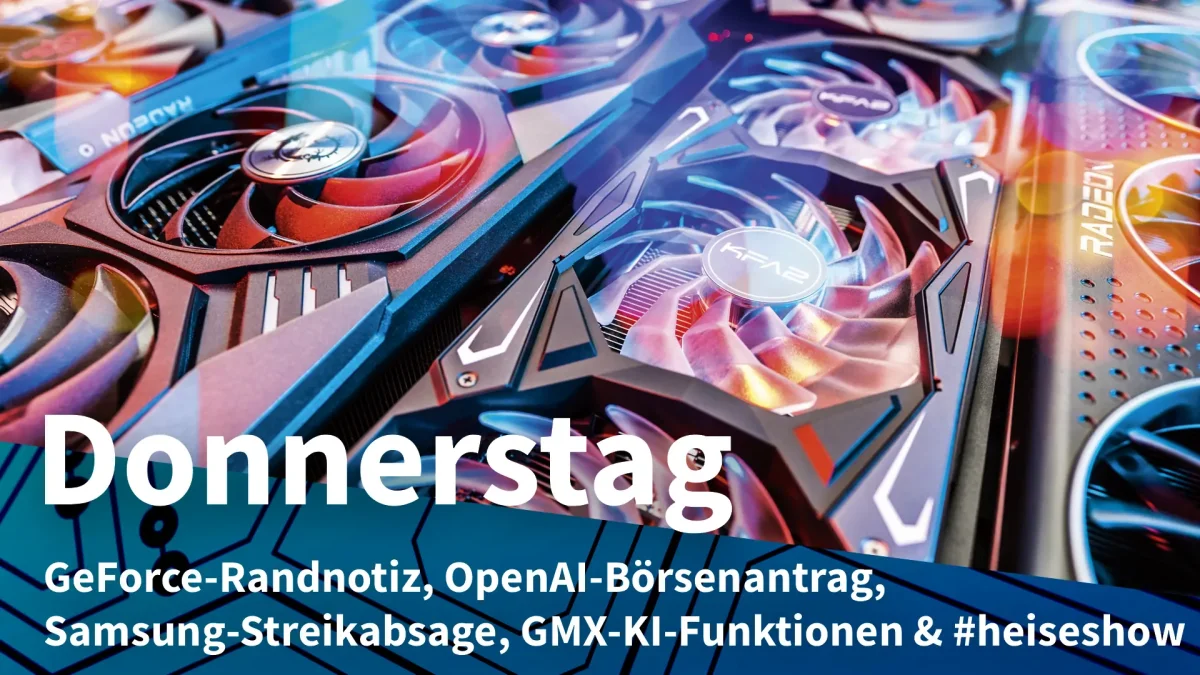
Nvidia's AI Pivot: GeForce Goes Edge
Nvidia. Known globally for its high-performance GPUs, particularly the GeForce line. But if you've been following the tech scene, you'll know things are shifting rapidly. Nvidia recently reported another record-breaking quarter, with revenue soaring an impressive 85% year-over-year and a 20% increase from the previous quarter. The driving force? AI, in all its transformative glory. The insatiable demand for AI technology has forced Nvidia to rethink its priorities completely.
In a bold strategic move, Nvidia is integrating its iconic GeForce GPU line into its burgeoning edge computing segment. This isn't a minor adjustment; it's a sweeping reorganization. The fact that Nvidia no longer reports gaming revenue separately is a significant indicator of where the company is heading. Instead of focusing on gaming, Nvidia is channeling its resources—both financial and intellectual—into AI and data center solutions. These areas have become the company's primary growth engines, signaling a profound shift in its business model.
Bottom line for gamers: Nvidia's pivot to AI signifies a clear message. The needs of gamers are no longer the company's top priority.
For gamers who have relied on Nvidia for cutting-edge performance, this pivot could signal a future where consumer gaming products are less prioritized. The focus on enterprise solutions suggests that Nvidia is betting big on AI as the future driver of its business.
OpenAI's Trillion-Dollar Sprint
Meanwhile, across the tech landscape, OpenAI is gearing up for a massive Initial Public Offering (IPO). Remember that lawsuit involving Elon Musk and his company xAI? It was dismissed due to the statute of limitations, clearing a significant hurdle for OpenAI. With this behind them, CEO Sam Altman has set his sights on listing OpenAI before its competitor, Anthropic. Should OpenAI succeed, the company is eyeing a valuation that could exceed $1 trillion. Yes, trillion with a 'T'. This underscores the explosive potential within the AI market.
A trillion-dollar valuation is not just a milestone; it's a bold statement about the perceived value and future impact of AI technologies. It reflects the enormous expectations placed on AI to revolutionize industries, from healthcare to finance, and beyond.
Europe Watches Closely
Nvidia's realignment away from gaming could have significant implications for Europe. The GeForce line has been a staple for PC gamers across the continent, and any shift in focus could impact availability. While it's too early to predict the exact consequences, consistent supply might become a concern for European gamers.
Conversely, OpenAI's IPO is likely to captivate European investors. The prospect of a trillion-dollar company in AI is too enticing to ignore, and investors will be eager to capitalize on the burgeoning AI wave. Europe's tech sector, already heavily reliant on steady chip deliveries, breathed a sigh of relief when the potential Samsung strike was averted, ensuring that supply chains remain intact.
What This Means for You
So, what does all this mean for you, whether you're a gamer or a tech enthusiast? Nvidia's strategic shift suggests a potential decline in the availability of consumer gaming products. Their focus is squarely on enterprise AI, so if you're considering purchasing a new GeForce GPU, it might be wise to do so sooner rather than later. Future availability could be uncertain as Nvidia pivots further towards AI solutions.
For investors, OpenAI's upcoming IPO is an event to watch closely. If the IPO hits the mark, it could redefine the landscape of AI investments and have a significant impact on tech stocks globally. The success of OpenAI's IPO could lead to a re-evaluation of AI's role in the tech industry and its investment potential.
The Big Questions Remain
Despite the excitement, several questions remain unanswered:
- What is the long-term future of Nvidia's gaming hardware? Will the company continue to innovate in this space, or will it be phased out over time?
- Can OpenAI's lofty valuation hold up after the IPO, especially in a market known for its rapid changes and volatility?
- How stable are current supply chains? The resolution of the Samsung strike was a relief, but any future disruptions could severely impact tech supply chains.
Why This Matters
Nvidia's strategic shift is more than just a company decision; it's a strong signal to the entire tech industry: AI is the future. As AI takes center stage, traditional gaming seems to be taking a back seat. The anticipated OpenAI IPO further highlights the intense competition and sky-high valuations within the AI sector.
These shifts by tech giants are not occurring in isolation. They are reshaping the tech landscape in ways that will affect consumers, investors, and innovation across the board. Whether you're a gamer worried about your next GPU upgrade, an investor eyeing the next big AI opportunity, or a tech enthusiast observing these seismic shifts, understanding these changes is crucial as they unfold. The world of technology is evolving, and these developments are just the beginning.
Discuss this story
Got a take, a correction, or a follow-up tip? Reply where you read — we read everything.
Found an error? File a correction at /corrections. Substantive corrections are logged publicly.
One short email. The most important AI news, fact-checked, no fluff. Free, unsubscribe anytime.
More from AI
Perplexity Pro vs ChatGPT Plus: Which AI Assistant Fits Your Workflow?
This guide lays out the strengths and approaches of Perplexity Pro and ChatGPT Plus, helping you identify which AI assistant aligns with your specific needs.
Claude Pro vs Google Gemini Advanced: Which AI Assistant Deserves Your Subscription?
This definitive guide cuts through the marketing to give you a fair, balanced breakdown of Claude Pro and Gemini Advanced, letting you decide which AI best fits your workflow.
Claude Pro vs Google Gemini Advanced: Which AI Actually Earns Your Subscription?
Byte-Pulse lays out the real trade-offs between Claude Pro and Google Gemini Advanced, helping you pick the AI that fits your workflow, without picking for you.
ChatGPT Plus vs Google Gemini Advanced: Which AI Assistant Fits Your Workflow?
Deciding between ChatGPT Plus and Google Gemini Advanced? We break down the models, features, integrations, and pricing to help you align your choice with your specific priorities.
The Byte-Pulse Newsroom is the editorial system that produces Byte-Pulse's daily tech news coverage. Each story is cross-referenced across 3+ independent outlets, drafted with AI assistance by the newsroom system (Drafter → Editor → Fact-Checker → Polisher), and reviewed by Serhat Er, Editor-in-Chief, before publication. We disclose AI augmentation openly. Editorial accountability stays with the named editor on every article. Tips: editorial@byte-pulse.net.
Don’t miss these
Asus ROG Phone 9 vs Sony Xperia 1 VII: Which Niche Flagship Earns Your Money?
Deciding between the gaming-focused ROG Phone 9 and the creator-centric Xperia 1 VII? This guide breaks down every spec to help you choose.
Proton VPN vs NordVPN: Which One Earns Your Subscription?
A deep dive into Proton VPN and NordVPN, comparing their privacy, performance, features, and value, helping you make an informed decision.

Pokémon TCG Movie Signals Strategic Media Pivot for The Pokémon Company
A new Pokémon movie focused on the TCG is coming in 2027, marking a strategic pivot for the franchise as it navigates massive global fan engagement and logistical challenges.

Apple's AI Pivot: Vision Pro Content Cut, Siri Rebuilt Amid Layoffs
Apple's latest layoffs signal a strategic pivot, dialing back high-cost Vision Pro content while re-tooling Siri for the AI era. What's next for Apple?

D23 2026: Disney's Content Deluge Sparks Questions About Strategy
Byte-Pulse cuts through D23 hype: We dissect Disney's ambitious content slate, from Simpsons: Hit & Run to Ahsoka season 2, and question the real-world implications and European market strategy.
Honor Magic 8 Pro vs Samsung Galaxy S26 Ultra: Which Future Flagship Fits Your Wallet and Workflow?
Deciding between the anticipated Honor Magic 8 Pro and Samsung Galaxy S26 Ultra? Our deep dive into expected specs and features provides the fair comparison you need.