Shein and Temu's Legal Battle Exposes Fast-Fashion Supply Chain Issues
UK court case between Shein and Temu reveals copyright and competition disputes, affecting supplier ties.

Shein and Temu's Legal Battle Exposes Fast-Fashion Supply Chain Issues
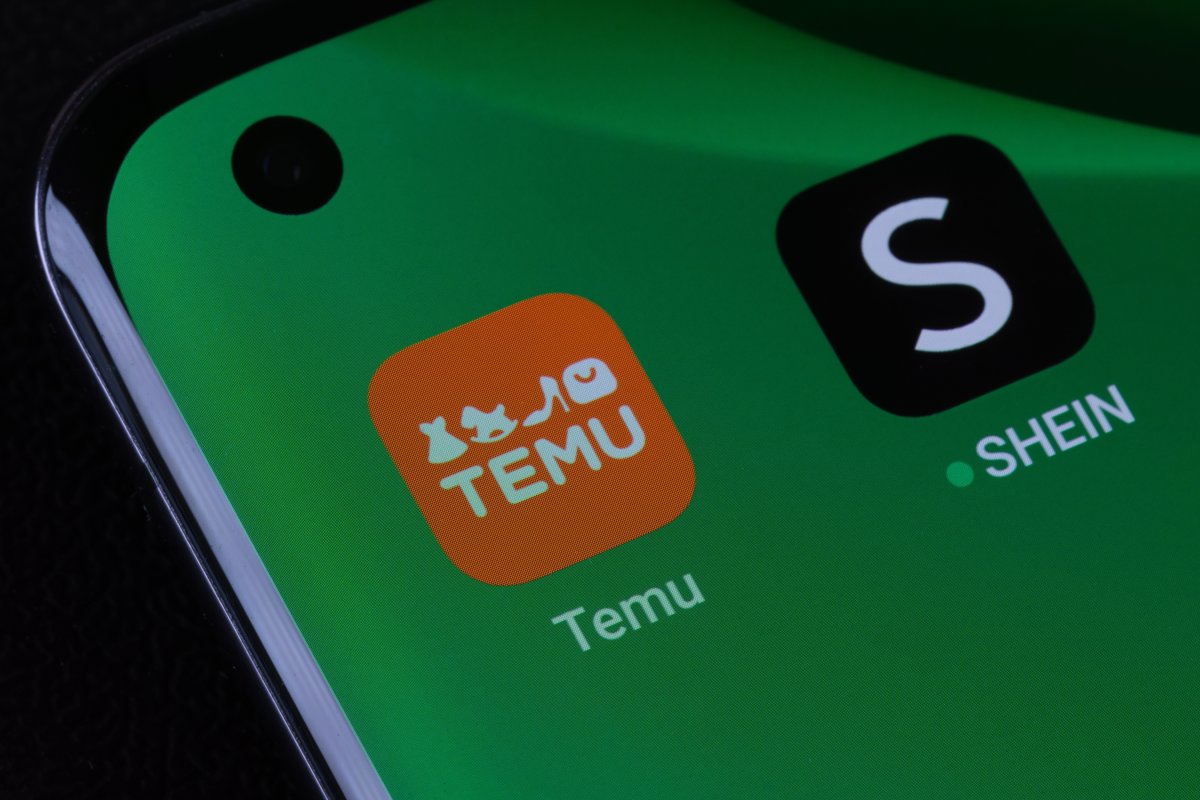
Shein and Temu, two titans in the fast-fashion world, are embroiled in a legal skirmish that could have far-reaching implications for the industry. This confrontation, playing out in a UK court, centers on allegations of copyright infringement and anti-competitive practices. Filed by Shein in 2023, the lawsuit accuses Temu of unlawfully using Shein’s product images. In turn, Temu alleges that Shein's actions are an attempt to suppress market competition. As these legal proceedings unfold, they promise to shed light on the operational intricacies of fast-fashion giants and potentially reshape the retail landscape across Europe.
Context: Industry Background and EU Angle
The fast-fashion industry, known for its rapid production cycles and inexpensive clothing offerings, has been under scrutiny for various reasons, including environmental impact and labor practices. Companies like Shein and Temu have thrived by capitalizing on the ability to quickly adapt to the latest fashion trends and maintain extensive supply chains that span the globe. However, this model often leads to intense competition and the occasional legal confrontation, such as the current dispute between Shein and Temu.
The European Union has been particularly vigilant about regulating the industry to ensure fair practices and compliance with local laws. The EU Commission's ongoing investigation into Shein's regulatory compliance and Ireland’s data watchdog probing potential unauthorized data transfers to China reflect broader concerns about transparency and adherence to data protection laws.
Legal Claims and Counterclaims
The crux of Shein's lawsuit against Temu is the accusation of massive copyright violations. Shein alleges that Temu has been using its product images without permission to sell similar items, essentially gaining an unfair competitive advantage. As Shein’s lawyer, Benet Brandreth, articulates, the unauthorized use of images is a blatant infringement that undermines Shein's market position.
Conversely, Temu’s defense, led by Charlotte May, argues that Shein’s allegations are a smokescreen for anti-competitive behavior. Temu counters by seeking damages for lost product listings, which they attribute to a temporary injunction imposed by Shein. Furthermore, Temu is accusing Shein of engaging in exclusive supplier agreements that violate competition laws, a matter that will be further investigated in the coming year.
This legal battle at the London High Court is significant not only for the parties involved but also for the suppliers and retailers dependent on these fast-fashion giants. The outcome could shake up existing supplier relationships, particularly in the European market where traditional retail stores are already grappling with declining sales.
Fast-Fashion Expansion Challenges
Shein and Temu have rapidly expanded their reach by offering a diverse array of products at competitive prices. However, impending regulatory changes pose significant challenges to their growth trajectories. The United States has already removed tariff exemptions on low-value shipments, a move that has increased costs for importers. Similarly, the EU is considering implementing similar tariff changes, which could substantially raise costs for consumers and slow down growth for fast-fashion retailers.
The EU Commission's scrutiny of Shein's regulatory compliance, along with investigations by Ireland’s data protection authority, adds another layer of complexity. These probes aim to ensure that fast-fashion companies adhere to legal obligations concerning data protection and privacy, an area of increasing importance in the European market.
- Shein's allegations focus on unauthorized use of product images.
- Temu claims Shein’s practices stifle fair competition.
- New US and EU tariffs could increase consumer costs.
- EU is investigating Shein's regulatory compliance.
- Ireland is probing Shein's data practices.
What's Still Unclear
While the courtroom drama unfolds, several questions remain unanswered. The final decision of the court on the copyright and competition issues is eagerly anticipated, as it will set a precedent for similar disputes in the future. Additionally, the impact of these proceedings on supplier relationships between Shein, Temu, and their partners remains to be seen.
The EU's ongoing investigation into Shein's compliance with regulatory standards is another area of uncertainty. The outcomes of these inquiries could lead to stricter regulations, influencing how fast-fashion companies operate within Europe. Moreover, how new tariffs will ultimately affect consumer prices is a concern for both retailers and buyers, as it could alter purchasing behaviors and market dynamics.
What This Means for You
For consumers, this legal battle between Shein and Temu is more than just corporate rivalry. It highlights the potential for increased costs due to regulatory changes and the importance of ethical business practices in the fast-fashion industry. If the court rules against Temu or if regulatory bodies impose stricter compliance requirements on Shein, consumers might see a shift in pricing and product availability.
For industry insiders, the case underscores the need to navigate a complex landscape of intellectual property rights and competition laws. Companies will need to be vigilant about their compliance with local regulations and mindful of the competitive tactics they employ.
In closing, the legal battle between Shein and Temu is not just fodder for the courtroom but a pivotal moment for the fast-fashion industry. It illuminates the challenges that come with rapid expansion and the necessity for transparent and fair practices. As these companies navigate the evolving landscape, stakeholders across the board will be watching closely to see how the outcomes shape the future of fast-fashion.
Editor-tracked discounts on the gadgets and gear worth buying right now.
See the deals →Discuss this story
Got a take, a correction, or a follow-up tip? Reply where you read — we read everything.
Found an error? File a correction at /corrections. Substantive corrections are logged publicly.
One short email. The most important Web & Apps news, fact-checked, no fluff. Free, unsubscribe anytime.
More from Web & Apps

D23 2026: Disney's Content Deluge Sparks Questions About Strategy
Byte-Pulse cuts through D23 hype: We dissect Disney's ambitious content slate, from Simpsons: Hit & Run to Ahsoka season 2, and question the real-world implications and European market strategy.

Spotify Relaunches AI Running Mode for iOS Premium Users
Spotify's new Running Mode for iOS uses AI to sync music with your stride, but its success hinges on AI quality and user input

WhatsApp Web Gets Calls: Meta's Cross-Platform Play Begins
WhatsApp Web now supports encrypted calls, screen sharing, and call transfers. We dissect Meta's strategic shift and its implications for users and enterprise adoption in Europe.

Fox's $22 Billion Acquisition of Roku: A New Era in Streaming
Fox's acquisition of Roku for $22 billion marks a pivotal shift in streaming, merging content strength with platform reach.
The Byte-Pulse Newsroom is the editorial system that produces Byte-Pulse's daily tech news coverage. Each story is cross-referenced across 3+ independent outlets, drafted with AI assistance by the newsroom system (Drafter → Editor → Fact-Checker → Polisher), and reviewed by Serhat Er, Editor-in-Chief, before publication. We disclose AI augmentation openly. Editorial accountability stays with the named editor on every article. Tips: editorial@byte-pulse.net.
Don’t miss these
OnePlus 14 vs Samsung Galaxy S26: Which Flagship Earns Your Hard-Earned Cash?
Deciding between the OnePlus 14 and Samsung Galaxy S26? This guide cuts through the noise, laying out the facts so you can pick the perfect phone for your priorities.
Proton VPN vs NordVPN: Which One Earns Your Subscription?
A deep dive into Proton VPN and NordVPN, comparing their privacy, performance, features, and value, helping you make an informed decision.
Perplexity Pro vs ChatGPT Plus: Which AI Assistant Fits Your Workflow?
This guide lays out the strengths and approaches of Perplexity Pro and ChatGPT Plus, helping you identify which AI assistant aligns with your specific needs.

Pokémon TCG Movie Signals Strategic Media Pivot for The Pokémon Company
A new Pokémon movie focused on the TCG is coming in 2027, marking a strategic pivot for the franchise as it navigates massive global fan engagement and logistical challenges.

Apple's AI Pivot: Vision Pro Content Cut, Siri Rebuilt Amid Layoffs
Apple's latest layoffs signal a strategic pivot, dialing back high-cost Vision Pro content while re-tooling Siri for the AI era. What's next for Apple?
Nothing Phone 4 vs Google Pixel 11: Looking Ahead to the Next Generation
A speculative deep dive into what the Nothing Phone 4 and Google Pixel 11 might bring, offering a balanced look at their likely strengths and trade-offs for future buyers.