Potential Shutdowns: Ninja Theory, Double Fine, and Compulsion Games Face Uncertain Futures
Microsoft's restructuring puts beloved studios in jeopardy as employees seek independence.

Xbox Studios at Risk: Shutdowns Loom for Ninja Theory, Double Fine, and Compulsion Games
Microsoft's restructuring under new leadership is putting several game studios—Ninja Theory, Double Fine, and Compulsion Games—at risk of closure. Reports say these studios are trying to buy themselves back from Microsoft, raising big questions about their futures and the well-being of their employees.
Ninja Theory's situation raises significant concerns
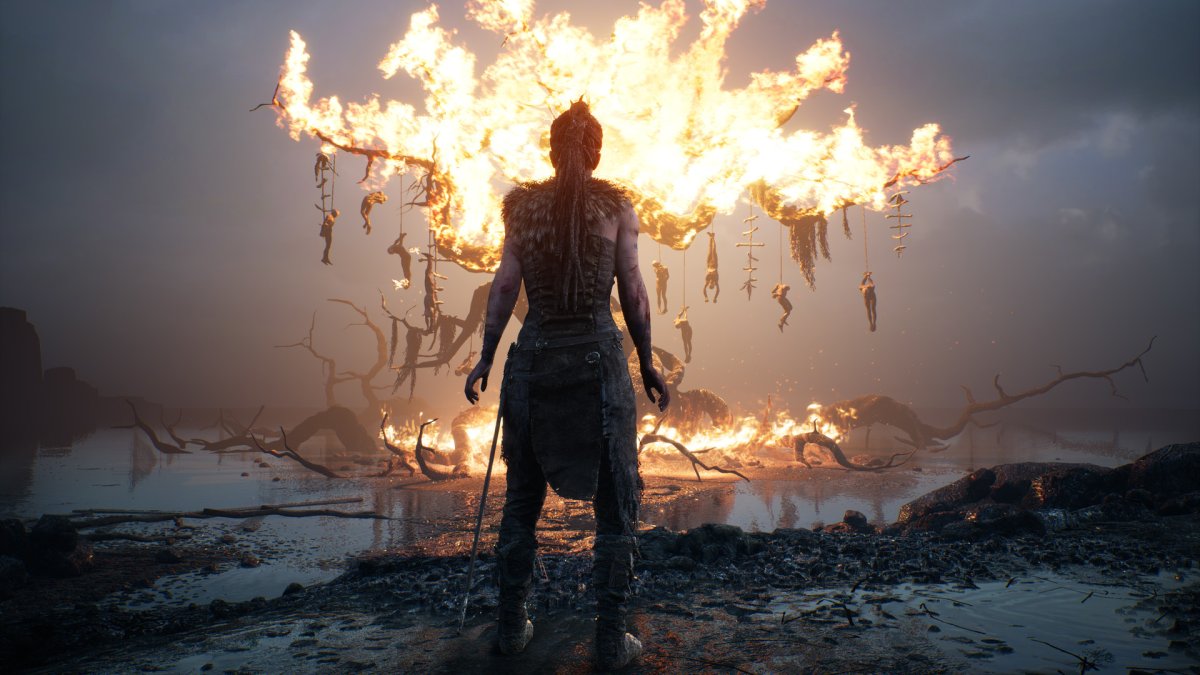
Heise reports that Ninja Theory is in a tough spot. Employees have been told their studio might close, sending them scrambling for answers and new jobs. Known for the acclaimed Hellblade series, Ninja Theory recently announced a new game called Senua, aimed for a 2027 release. The timing of this announcement is striking, highlighting the disconnect between their promotional efforts and the very real threat of shutting down.
Engadget points out that despite the looming closure, Ninja Theory’s team is actively searching for a buyer to keep the studio alive. This paints a different picture than Heise's report, which sounds more doom-and-gloom. I prefer Engadget's take, showcasing the team's determination in tough times.
Compared to: Previous Microsoft Acquisitions
The situation with Ninja Theory is reminiscent of past Microsoft acquisitions that faced similar crossroads. For instance, Lionhead Studios, known for the Fable series, was shuttered in 2016 despite its rich history and fanbase. This comparison underscores the precarious nature of being under a large corporate umbrella. Unlike Lionhead, Ninja Theory is proactively seeking a buyout, indicating a possible shift in how studios under threat of closure might navigate their futures.
Double Fine and Compulsion Games also at risk
Double Fine and Compulsion Games are in similar waters. Polygon says both studios face potential closure, with Double Fine struggling after the mixed reception of its latest game, Kiln. Compulsion Games, which is known for South of Midnight, is also facing uncertainty. IGN reports that all three studios are negotiating with Microsoft to regain their independence, but these talks might lead to layoffs, complicating any buyout plans.
This raises an important question: are these negotiations realistic, or just last-ditch efforts? While the media agree that talks are happening, the future remains uncertain. Microsoft’s financial pressures could limit any potential agreements, making positive outcomes seem unlikely.
Real Daily-Use Scenario: The Impact on Employees
Imagine being an employee at one of these studios. Each day you walk into work, you're greeted by uncertainty. Productivity can be hampered when you're worried about job security, and morale can take a hit as rumors circulate. For developers, artists, and designers, it's not just about losing a job, but the end of being part of a creative family. Projects like Senua or South of Midnight aren't just assignments; they're passion projects that employees have poured their hearts into.
Studios negotiating buyout to escape Microsoft's grasp
The studios are actively pursuing buyouts to escape Microsoft’s control. Heise mentions that both Double Fine and Compulsion Games are in talks to regain their independence and maintain their operational integrity. Engadget backs this up, noting that studio leaders are working hard to negotiate their futures rather than face closure.
But potential buyouts aren't straightforward. Polygon warns that even if the studios negotiate their independence, layoffs are likely. This reality of negotiating for survival while preparing for cuts highlights the complex dynamics in Xbox's restructuring. The studios’ push for independence is commendable, but Microsoft’s financial constraints may hinder their hopes. The negotiations are tough, and the stakes for employees couldn’t be higher.
What This Means for You
For gamers, what does this mean? If you're a fan of Hellblade, Kiln, or South of Midnight, the uncertainty surrounding these studios could mean delays or cancellations of future content. The ripple effect also touches the broader gaming landscape, affecting which games get funded, developed, and released. For those working in the industry, it’s a stark reminder of the volatility in creative fields and the importance of financial acumen alongside creativity.
Xbox's restructuring under Asha Sharma raises concerns
This situation unfolds against a significant restructuring under Microsoft, led by new Xbox CEO Asha Sharma. Heise reports that in an internal memo, Sharma suggested the gaming division is in a tough spot, with a profit margin around 3%. That number signals serious financial pressures behind the restructuring.
Engadget adds that this overhaul has already led to major layoffs in the Xbox division, causing unease among employees. It’s pretty concerning to see such drastic measures happen so quickly. Losing key personnel can destabilize the organization, potentially impairing its recovery.
What's Still Unclear
While the potential closures of Ninja Theory, Double Fine, and Compulsion Games have been reported, several critical questions linger. What specific financial metrics prompted the consideration of closing these studios? What criteria will Microsoft use to decide which studios to keep? The impact of these closures on ongoing projects, like Senua and South of Midnight, is also not clear. The lack of transparency adds to the anxiety felt by employees and the gaming community.
The gaming industry's reaction to potential studio closures
As news of possible studio closures spreads, the gaming community is understandably worried about the fate of these beloved developers. IGN highlights that fans and industry observers are anxious about how these closures might affect the gaming landscape, especially given the studios' impressive histories. The community’s reaction emphasizes a crucial point: these studios aren't just businesses; they represent a rich history of creativity that shapes gaming experiences.
Discussions around the closures are also sparking broader conversations about the state of the gaming industry and the sustainability of large studio acquisitions. As Microsoft aggressively expands through acquisitions, a key question remains: can these deals lead to successful, sustainable outcomes? The industry is at a crossroads, and decisions made in the coming months could have lasting effects on both the studios and the gaming community.
Closing Take
The potential shutdowns of Ninja Theory, Double Fine, and Compulsion Games highlight the precarious balance between financial viability and creative freedom. For Microsoft, it's a matter of assessing the value these studios bring against the backdrop of financial pressures. For the studios, it's about navigating turbulent waters to preserve their creative legacies. As the industry watches these developments, the outcome will likely influence future strategies in acquisitions and studio management. In the end, it serves as a reminder of the delicate ecosystem that is the gaming industry, where financial realities and creative aspirations must coexist.
Sources cross-referenced
This story was synthesised from reporting by 4 outlets:
Discuss this story
Got a take, a correction, or a follow-up tip? Reply where you read — we read everything.
Found an error? File a correction at /corrections. Substantive corrections are logged publicly.
One short email. The most important Gaming news, fact-checked, no fluff. Free, unsubscribe anytime.
More from Gaming

Pokémon TCG Movie Signals Strategic Media Pivot for The Pokémon Company
A new Pokémon movie focused on the TCG is coming in 2027, marking a strategic pivot for the franchise as it navigates massive global fan engagement and logistical challenges.

GTA 6's Realism Gamble: Will Player Patience Pay Off?
Byte-Pulse examines GTA 6's shift to ultra-realism, from complex Wanted systems to car refueling, and questions if 'ambition' justifies potential player friction.

Rockstar's Netflix Gambit: A 'New Thing' or Calculated Content Gate?
Rockstar Games initiated the Netflix exclusive 'extended look' for GTA 6, drawing ire from fans. We dissect the strategy and its implications.

GTA VI: Beyond the Hype - Costs, Console Choices, and Cyber Threats
Byte-Pulse examines GTA VI's colossal scope, the practicalities of console choice, and the digital dangers lurking beneath the launch hype.
The Byte-Pulse Newsroom is the editorial system that produces Byte-Pulse's daily tech news coverage. Each story is cross-referenced across 3+ independent outlets, drafted with AI assistance by the newsroom system (Drafter → Editor → Fact-Checker → Polisher), and reviewed by Serhat Er, Editor-in-Chief, before publication. We disclose AI augmentation openly. Editorial accountability stays with the named editor on every article. Tips: editorial@byte-pulse.net.
Don’t miss these
Proton Mail vs Gmail: Which Email Service Fits Your Digital Life?
Unsure about Proton Mail vs Gmail? We break down security, features, pricing, and daily use so you can confidently pick the email service that aligns with your priorities.
Perplexity Pro vs ChatGPT Plus: Which AI Assistant Fits Your Workflow?
This guide lays out the strengths and approaches of Perplexity Pro and ChatGPT Plus, helping you identify which AI assistant aligns with your specific needs.

Apple's AI Pivot: Vision Pro Content Cut, Siri Rebuilt Amid Layoffs
Apple's latest layoffs signal a strategic pivot, dialing back high-cost Vision Pro content while re-tooling Siri for the AI era. What's next for Apple?

Apple's 'Deep Discounts': US Inventory Flush, Not European Bargains
Byte-Pulse examines Apple's recent US sales, revealing that 'deep discounts' on popular devices like the iPhone 17 Pro and M3 iPad Air are less about consumer savings and more about clearing stock ahead of new launches. We critically assess whether these offers translate to real value for European buyers.

D23 2026: Disney's Content Deluge Sparks Questions About Strategy
Byte-Pulse cuts through D23 hype: We dissect Disney's ambitious content slate, from Simpsons: Hit & Run to Ahsoka season 2, and question the real-world implications and European market strategy.

eBay's $55.7M Cyberstalking Settlement: A Corporate Culture of Coercion Exposed
Byte-Pulse investigates the eBay cyberstalking case, revealing a disturbing harassment campaign, executive involvement, and the broader implications for corporate ethics.