Steve Jobs' Elevator: A Career-Ending Ride?
Apple employees dreaded impromptu encounters with the CEO. Here's why.


Steve Jobs' Elevator: A Career-Ending Ride?
Picture this: You're an Apple employee, caught in a moment of serendipity or dread, depending on your perspective. You step into the elevator, and there he is—Steve Jobs, the iconic co-founder of Apple, known for his relentless pursuit of perfection. This brief encounter could become a defining moment in your career, as the elevator doors close and the ride begins. For many, the short journey between floors was not merely a transition between meetings but a test that could dictate their future at the company.
The Legend of Jobs' Elevator
The stories of Steve Jobs and his exacting standards have become the stuff of legend. Known for his uncompromising vision and direct communication style, Jobs didn't shy away from making quick decisions. Michael Dhuey, an Apple veteran who worked at the company from 1980 to 2005, recalls how Jobs would cut meetings short if they failed to capture his interest. This same directness extended to the elevator rides he shared with unsuspecting employees.
In anticipation of these high-stakes encounters, employees developed strategies to navigate the brief but potentially career-defining moments. They prepped with specific questions or stories, hoping to steer the conversation and leave a lasting positive impression. The objective was clear: impress Jobs, even if just for a few floors, to ensure job security. These impromptu quizzes became a part of Apple's lore, illustrating the intensity of working under Jobs' leadership.
High-Stakes Ride: A Cultural Phenomenon
The high-pressure environment at Apple during Jobs' second tenure is exemplified by the infamous elevator stories. Archibald Horlitz, founder of Apple reseller Gravis, noted the severity of these encounters. If an employee failed to give satisfactory answers in the elevator, Jobs might appear at their desk shortly after. And if the explanations still didn't meet his standards, the employee's future at Apple could be in jeopardy.
Ed Niehaus, a former Apple PR executive, recounted a particularly stark experience involving a young woman. When Jobs inquired about her role during an elevator ride and wasn't impressed by her response, he allegedly decided on the spot that her services were no longer needed. These stories, while alarming, underscore the unique corporate culture at Apple—a mix of fear and opportunity, where every interaction had the potential to change one's career trajectory.
Context: A Time of Turmoil
These elevator encounters didn't occur in a vacuum. They were part of a larger narrative during a period of significant upheaval for Apple. When Jobs returned to the company in 1997, he found it struggling financially, with losses mounting and morale flagging. In an effort to stabilize the company, Jobs initiated substantial layoffs, trimming over 4,100 employees. This hard-edged approach was not random cruelty but a calculated strategy to streamline operations and ensure Apple's survival.
The context of the tech industry at the time also played a role. The late 1990s were a turbulent period, especially in the computing sector, where rapid technological advancements created a fiercely competitive environment. In Europe, similar pressures were felt as companies scrambled to adapt to the digital age. Jobs' methods, while harsh, were in line with a broader industry trend towards aggressive restructuring and innovation-driven survival.
What This Means for You
For today's professionals, these stories are more than just historical anecdotes. They serve as a reminder of the importance of preparation and adaptability in the workplace. While few may face such direct encounters with a CEO today, the principles hold true: be ready to articulate your value, stay informed, and be prepared for unexpected opportunities to showcase your contributions.
Moreover, these tales invite reflection on corporate culture and leadership styles. They highlight the balance between fostering innovation and maintaining a humane, supportive work environment. As organizations navigate post-pandemic work dynamics, these lessons remain relevant, prompting a reevaluation of what constitutes effective leadership and how it impacts employee morale and productivity.
What's Still Unclear
Despite the compelling nature of these stories, several questions remain unanswered. How frequently did these elevator firings actually occur? Were they common practice, or are they largely exaggerated tales born from the chaos of Apple's restructuring efforts? The lack of concrete data makes it challenging to distinguish between myth and reality.
Additionally, the long-term impact of such a high-pressure environment on Apple's innovation and employee retention is not definitively documented. Did the fear-driven culture stifle creativity, or did it push employees to excel? Understanding the full scope of these dynamics would require more insights from those who lived through them.
Editorial Take
Steve Jobs' elevator anecdotes offer a fascinating glimpse into the complexities of leadership and corporate culture at Apple during a pivotal time. They reflect both the pressures of an industry in flux and the demanding nature of Jobs' vision for the company. While the methods may seem ruthless, the results speak for themselves—Apple transformed from a struggling entity into a tech titan, reshaping industries and consumer expectations alike.
As we consider these stories, it's crucial to balance admiration for Jobs' achievements with a critical view of his management style. Ultimately, the goal for any organization should be to cultivate an environment where innovation thrives not through fear, but through support, challenge, and shared purpose.
Editor-tracked discounts on the gadgets and gear worth buying right now.
See the deals →Discuss this story
Got a take, a correction, or a follow-up tip? Reply where you read — we read everything.
Found an error? File a correction at /corrections. Substantive corrections are logged publicly.
One short email. The most important Web & Apps news, fact-checked, no fluff. Free, unsubscribe anytime.
More from Web & Apps

D23 2026: Disney's Content Deluge Sparks Questions About Strategy
Byte-Pulse cuts through D23 hype: We dissect Disney's ambitious content slate, from Simpsons: Hit & Run to Ahsoka season 2, and question the real-world implications and European market strategy.

Spotify Relaunches AI Running Mode for iOS Premium Users
Spotify's new Running Mode for iOS uses AI to sync music with your stride, but its success hinges on AI quality and user input
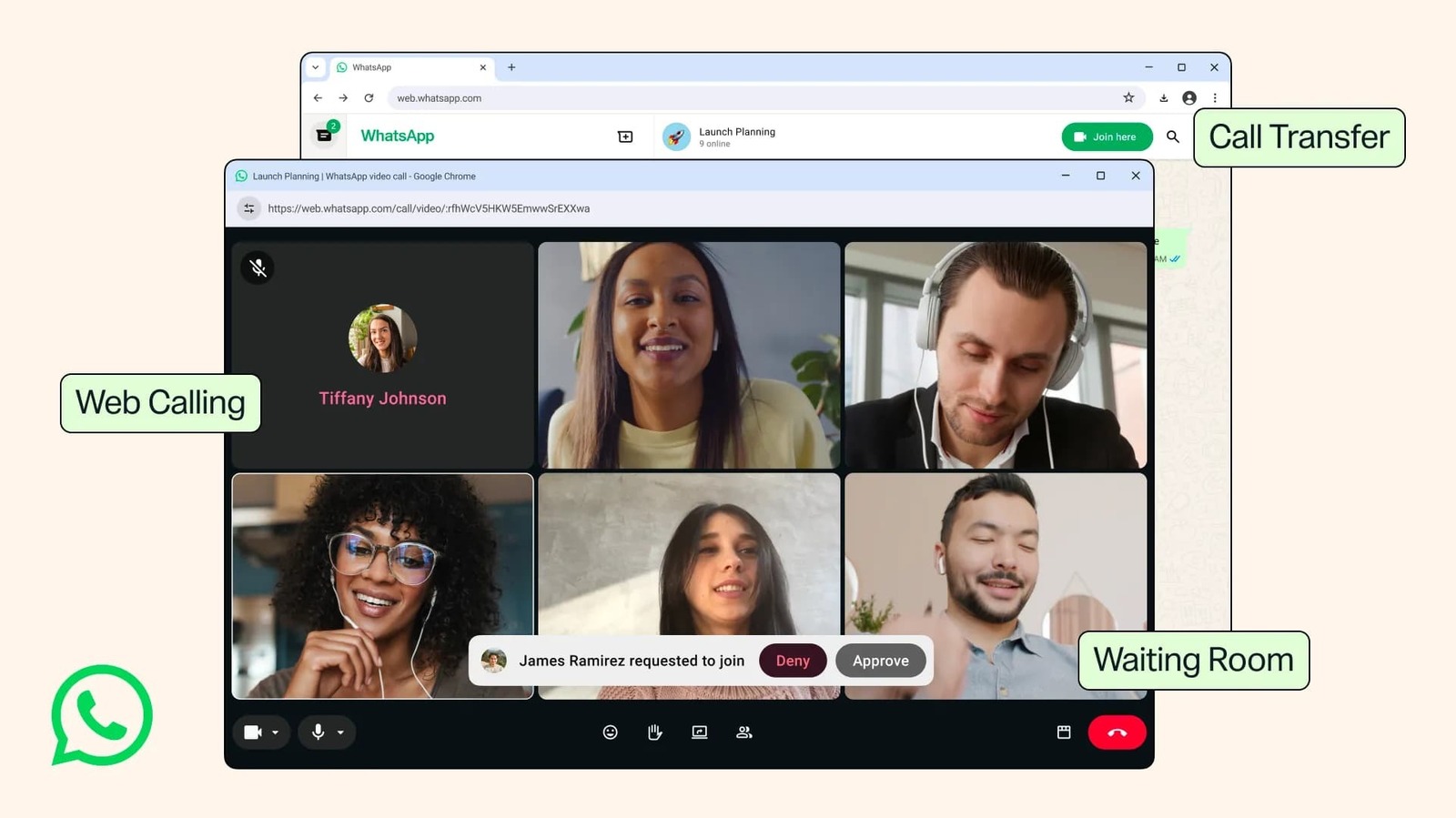
WhatsApp Web Gets Calls: Meta's Cross-Platform Play Begins
WhatsApp Web now supports encrypted calls, screen sharing, and call transfers. We dissect Meta's strategic shift and its implications for users and enterprise adoption in Europe.

Fox's $22 Billion Acquisition of Roku: A New Era in Streaming
Fox's acquisition of Roku for $22 billion marks a pivotal shift in streaming, merging content strength with platform reach.
The Byte-Pulse Newsroom is the editorial system that produces Byte-Pulse's daily tech news coverage. Each story is cross-referenced across 3+ independent outlets, drafted with AI assistance by the newsroom system (Drafter → Editor → Fact-Checker → Polisher), and reviewed by Serhat Er, Editor-in-Chief, before publication. We disclose AI augmentation openly. Editorial accountability stays with the named editor on every article. Tips: editorial@byte-pulse.net.
Don’t miss these
Motorola Edge 60 Ultra vs OnePlus 13: Which Android Flagship Fits Your Priorities?
Motorola Edge 60 Ultra and OnePlus 13 both aim for top-tier Android. We cut through the marketing to reveal the true differences, helping you choose.
Proton VPN vs NordVPN: Which One Earns Your Subscription?
A deep dive into Proton VPN and NordVPN, comparing their privacy, performance, features, and value, helping you make an informed decision.
Perplexity Pro vs ChatGPT Plus: Which AI Assistant Fits Your Workflow?
This guide lays out the strengths and approaches of Perplexity Pro and ChatGPT Plus, helping you identify which AI assistant aligns with your specific needs.

Pokémon TCG Movie Signals Strategic Media Pivot for The Pokémon Company
A new Pokémon movie focused on the TCG is coming in 2027, marking a strategic pivot for the franchise as it navigates massive global fan engagement and logistical challenges.

Apple's AI Pivot: Vision Pro Content Cut, Siri Rebuilt Amid Layoffs
Apple's latest layoffs signal a strategic pivot, dialing back high-cost Vision Pro content while re-tooling Siri for the AI era. What's next for Apple?
Sony Xperia 1 VII vs iPhone 18 Pro: Which Flagship Fits Your Creative Flow?
Deciding between Sony's creator-centric Xperia 1 VII and Apple's powerful iPhone 18 Pro? We break down every spec and feature, neutrally.