The Roborock Saros 20: Market Impact and Strategic Insights Ahead of Prime Day
Examining features, pricing strategies, customer feedback, and implications for upcoming Prime Day discounts.

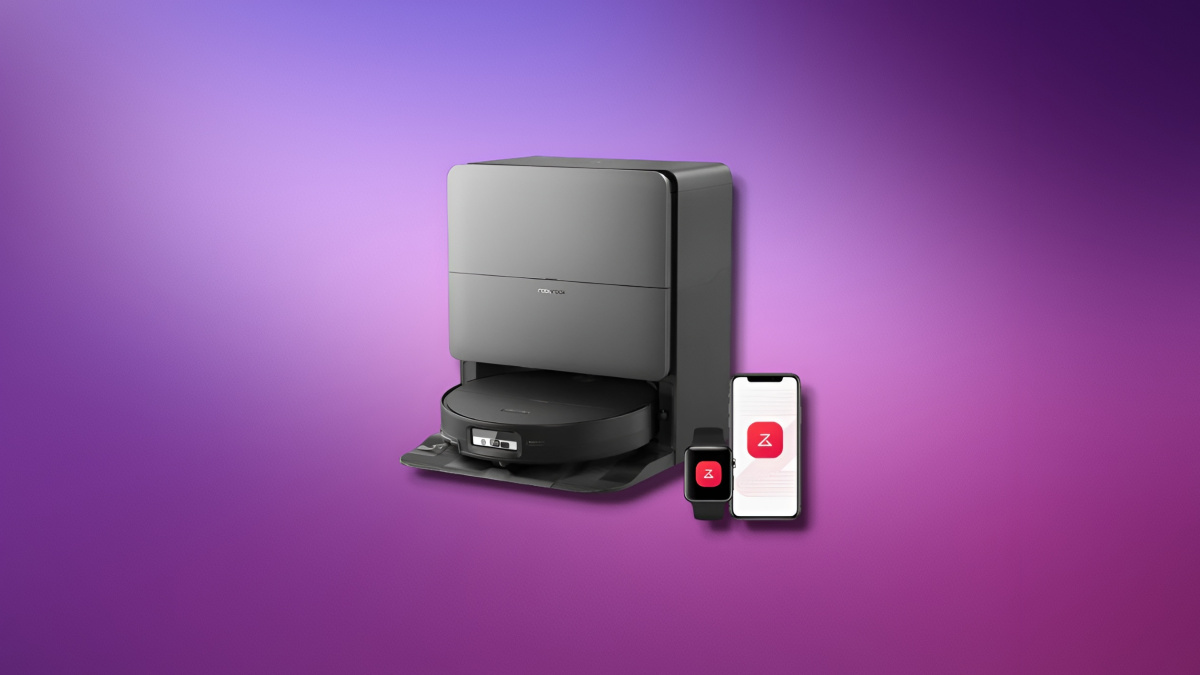
What makes the Roborock Saros 20 stand out in the vacuum market
The Roborock Saros 20 is shaking up the premium vacuum market with its impressive specs and innovative design. It boasts a suction power of 36,000 Pascal, making it great for picking up fine dust and pet hair from all kinds of surfaces. This level of suction power is a significant upgrade in the realm of robotic vacuums. For context, most standard robot vacuums offer suction power in the range of 2,000 to 3,000 Pa. Such a potent suction capability allows the Saros 20 to deep-clean carpets and effectively manage pet hair, a feature highly sought after by pet owners who often struggle with fur accumulation.
Its ultra-slim profile of just 7.95 centimeters lets it clean under low furniture—a feature that many consumers are really appreciating. This is particularly beneficial in European homes, where furniture design often includes low, modernistic styles. The vacuum's ability to navigate under these spaces without getting stuck is a testament to its thoughtful engineering.
Golem reports that the Saros 20 uses a navigation system called Starsight. This system employs 3D sensors and an RGB camera to navigate around more than 300 obstacles. That’s a big step up from many competitors that struggle in complex home layouts. The Starsight system's innovative use of technology is akin to autonomous vehicle navigation systems, allowing it to map rooms with great precision and avoid obstacles, such as furniture legs or stray toys, efficiently.
The vacuum also has a self-cleaning station that empties the dustbin and washes the mop pads with water heated to 100 degrees Celsius. This feature isn’t common in other models and cuts down on maintenance time, which is a big win for busy households. The ability for the vacuum to manage its own maintenance tasks significantly reduces the manual effort required by users, addressing a common pain point for robot vacuum owners.
The Saros 20's blend of high functionality and smart tech positions it as a strong player in the premium market. These features not only enhance performance but also cater to the growing consumer demand for smart home devices that simplify everyday tasks.
How the pricing strategy targets Prime members
Roborock's pricing strategy for the Saros 20 is clearly aimed at Amazon Prime members. Right now, it’s listed at €999 for Prime users, down from a suggested retail price of €1,499. That’s a solid savings of €500, making the Saros 20 more appealing for high-end buyers but also aligns with Amazon’s goal of encouraging Prime memberships through exclusive deals.
With Prime Day on the horizon, timing is everything. Amazon seems to be rolling out this offer to take advantage of the increased consumer spending that usually comes with the event. This pricing approach highlights a trend where retailers use Prime Day to clear out inventory and boost sales. It’s a perfect time for shoppers to grab premium products like the Saros 20. Roborock seems to have a good grasp of consumer behavior and the competitive nature of e-commerce, especially regarding discounts tied to memberships.
Compared to its competitors, like the iRobot Roomba s9+ and the Ecovacs Deebot Ozmo T8 AIVI, which retail around €1,099 and €999, respectively, the Saros 20’s discounted price is quite competitive. This strategic pricing not only aims to attract new customers but also encourages existing Prime users to consider upgrading from their current models.
Customer reviews reveal why the Saros 20 is a popular choice
Consumer feedback on the Roborock Saros 20 has been mostly positive, boasting an average rating of 4.3 out of 5 stars from over 270 reviews on Amazon. Reviewers often praise the vacuum’s powerful suction and its ability to handle fine dust and pet hair. Many users like its low profile, which lets it clean under furniture that traditional vacuums can’t reach—a sentiment echoed by Golem.
However, it’s not all praise. Some users have pointed out that the self-cleaning station can be a bit noisy during operation, which might be an issue for folks in smaller spaces. The noise level is an important consideration, especially in compact European apartments where sound travels easily.
Plus, the initial high price has kept some potential buyers at bay, even with the current Prime Day discount. For those who are budget-conscious, the decision to invest in a premium vacuum is weighed against long-term benefits and reliability.
Overall, the positive reviews show a growing trend toward automated cleaning solutions, with users valuing efficiency and ease in their home care products. The convenience of a self-maintaining vacuum appeals to those who prefer to spend their time on more engaging activities rather than household chores.
Impending Prime Day discounts and their significance
As Prime Day approaches, the significance of the Roborock Saros 20 deal becomes clearer. Amazon’s early discounting strategy positions the Saros 20 as a top choice in the vacuum market and sets a standard for how premium products can be marketed during busy shopping events. According to Golem, this deal is meant to take advantage of increased consumer spending around Prime Day.
This proactive strategy suggests that Roborock wants to carve out a competitive edge in a crowded market. By aligning their pricing with consumer habits, they can maximize sales while building brand loyalty among Prime members. This approach reflects a growing trend of exclusive pricing strategies that utilize membership benefits to drive sales.
The move to discount premium products during high-traffic sales events is becoming a standard practice among retailers, highlighting the increasing importance of timing and consumer behavior insights in driving sales.
Comparing the Saros 20 to its closest competitors
When comparing the Roborock Saros 20 to other premium robot vacuums, several features and market positions stand out. Models like the iRobot Roomba s9+ and the Ecovacs Deebot Ozmo T8 AIVI offer strong suction and advanced navigation. However, these competitors often don’t have the self-cleaning capabilities of the Saros 20, which is a key factor for consumers who value low maintenance.
The Roomba s9+ comes with a price tag of approximately €1,099, featuring powerful suction and a D-shaped design for better edge cleaning. It uses vSLAM navigation technology but lacks a self-cleaning station, which means users will need to manually empty the dustbin.
On the other hand, the Ecovacs Deebot Ozmo T8 AIVI is priced around €999 and offers advanced AI-driven navigation with object recognition to avoid obstacles. While it includes a mopping feature, it does not offer a heated self-cleaning station like the Saros 20.
These comparisons highlight the Saros 20’s unique selling points, such as its automated maintenance and advanced navigation capabilities, which are particularly appealing to tech-savvy consumers looking for a hassle-free cleaning experience.
Real daily-use scenario
Let’s consider a typical day in a bustling European household. With kids running around and pets shedding fur, the floors can get messy quickly. The Saros 20’s powerful 36,000 Pa suction ensures it can quickly clear up pet hair and crumbs from both carpets and hard floors.
In the morning rush, the vacuum can be scheduled to clean the house while the family is out, navigating seamlessly under low sofas and maneuvering around dining chair legs without missing a spot, thanks to its Starsight navigation. Upon returning home, the floors are spotless, and there's no need to worry about emptying the dustbin or washing mop pads, as the self-cleaning station has already taken care of that.
This level of automation not only provides pristine floors but also gives homeowners more time in their day to focus on family and leisure activities, rather than chores.
What this means for you
For the consumer, the Roborock Saros 20 represents a significant investment in home automation. Its advanced features promise a more hands-off cleaning experience, which is ideal for busy professionals and families who value convenience. The Saros 20's pricing strategy, particularly during Prime Day, makes it an attractive option for those already considering a high-end vacuum upgrade.
The ease of use and maintenance means less time spent on routine cleaning tasks, while its performance ensures high standards of cleanliness. For pet owners and allergy sufferers, the Saros 20's ability to capture fine dust and allergens can improve home air quality and overall health.
What's still unclear
Despite the positive reception and solid features of the Saros 20, questions linger about its long-term reliability and performance consistency. Potential buyers might also wonder how it will compete against new entrants in the market as brands like Dyson and Shark keep innovating.
Moreover, while the self-cleaning station is an attractive feature, the noise it generates could be a deal-breaker for some. Users in smaller apartments may find this aspect disruptive, particularly if the vacuum is set to clean during nighttime hours.
Closing take
The Roborock Saros 20 isn’t just another vacuum; it combines advanced technology, competitive pricing, and solid customer feedback that highlights its potential market impact. As we look at pricing strategies and consumer behavior leading into Prime Day, it’s clear the Saros 20 is set to leave a significant mark in automated cleaning solutions.
For consumers, the Saros 20 offers a blend of efficiency, innovation, and convenience that can redefine home cleaning routines. As the market continues to evolve, this model underscores the importance of smart technology integration in everyday life, catering to the growing demand for devices that not only perform well but also fit seamlessly into our busy lifestyles.
Sources cross-referenced
This story was synthesised from reporting by 4 outlets:
Discuss this story
Got a take, a correction, or a follow-up tip? Reply where you read — we read everything.
Found an error? File a correction at /corrections. Substantive corrections are logged publicly.
One short email. The most important Hardware news, fact-checked, no fluff. Free, unsubscribe anytime.
More from Hardware

Apple M5 Pro vs. Apple M4 Pro: Projecting the Next Generation of Apple Silicon
We project the likely advancements of the unannounced M4 Pro and M5 Pro chips, offering a balanced, speculative look at future performance and efficiency.

AMD Ryzen 7 9800X3D vs Intel Core Ultra 7 265K: Which Chip Drives Your Next Build?
Deciding between AMD's V-Cache prowess and Intel's new Ultra architecture? This guide cuts through the noise to show you what each CPU truly offers for your money.

AMD Ryzen 9 9950X3D vs Intel Core Ultra 9 285K: Next-Gen Desktop Showdown
A deep dive into the expected strengths of AMD's Zen 5 X3D and Intel's next-gen Core Ultra K-series, laying out the trade-offs for serious buyers.

AMD RX 9080 XT vs. NVIDIA RTX 5080: Which High-End GPU Fits Your Build?
Navigating the high-end GPU market means weighing raw rasterization, ray tracing, upscaling tech, and ecosystem against your budget and priorities.
The Byte-Pulse Newsroom is the editorial system that produces Byte-Pulse's daily tech news coverage. Each story is cross-referenced across 3+ independent outlets, drafted with AI assistance by the newsroom system (Drafter → Editor → Fact-Checker → Polisher), and reviewed by Serhat Er, Editor-in-Chief, before publication. We disclose AI augmentation openly. Editorial accountability stays with the named editor on every article. Tips: editorial@byte-pulse.net.
Don’t miss these

Nothing Ear (3) vs AirPods 4 ANC: The Right Earbuds For Your Ears
We cut through the hype to compare the rumored Nothing Ear (3) and AirPods 4 ANC, laying out the real trade-offs so you can decide for yourself.

Notion vs Obsidian: Which Knowledge Hub Fits Your Workflow?
Deciding between Notion and Obsidian? We break down the core differences in philosophy, data ownership, collaboration, and extensibility to help you choose.

Lenovo Legion Go S vs. ASUS ROG Ally X: Which Next-Gen Handheld Earns a Spot in Your Backpack?
Deciding between the Legion Go S and ROG Ally X? We break down every spec, every design choice, and every trade-off without picking a winner. Your perfect gaming handheld is here.

Perplexity Pro vs ChatGPT Plus: Which AI Assistant Fits Your Workflow?
This guide lays out the strengths and approaches of Perplexity Pro and ChatGPT Plus, helping you identify which AI assistant aligns with your specific needs.

Sennheiser Momentum 4 Wireless vs Bose QuietComfort Ultra: Which Flagship Fits Your Daily Rhythm?
We lay out the real trade-offs between Sennheiser's long-distance runner and Bose's silence specialist, so your next premium audio choice is clear.

Proton VPN vs NordVPN: Which One Earns Your Subscription?
A deep dive into Proton VPN and NordVPN, comparing their privacy, performance, features, and value, helping you make an informed decision.