Unpacking the Hidden Truths of Google's New Home Speaker
Examining the true implications of Google's Gemini-powered smart speaker.

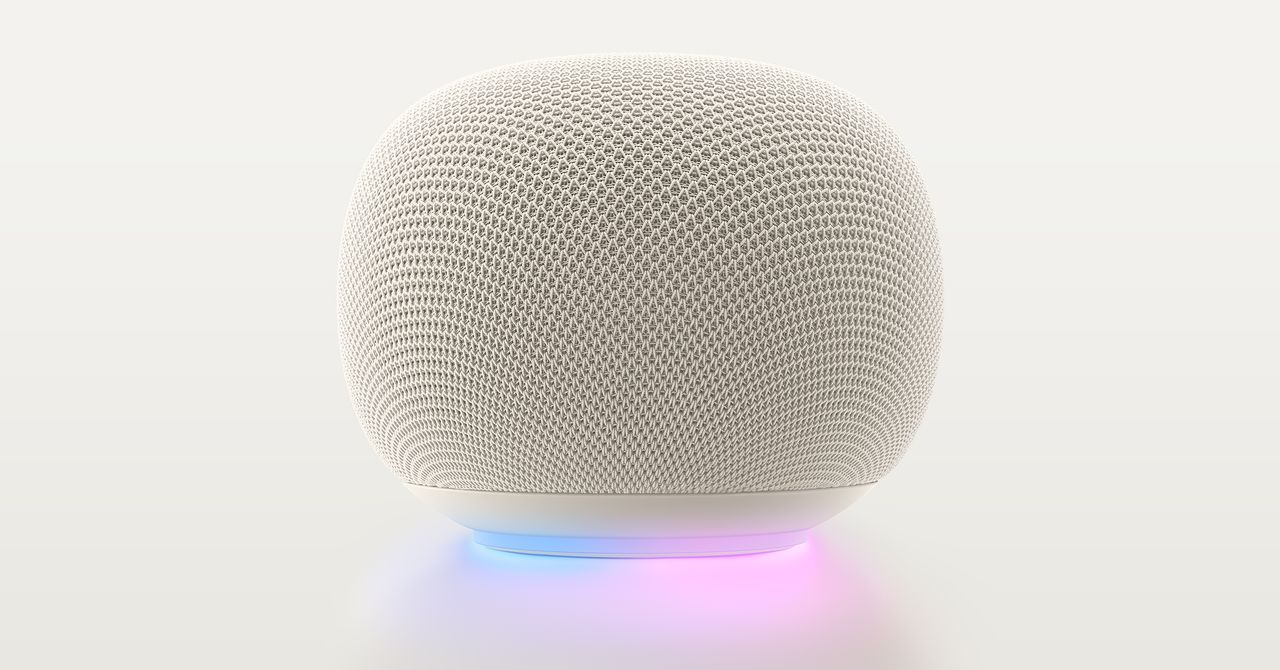
What Google isn't saying about the Gemini-powered speaker
Google recently unveiled its latest Home Speaker, featuring the new AI assistant, Gemini, which promises to revamp the smart speaker landscape. While the marketing materials paint a picture of cutting-edge technology and seamless user interaction, a closer inspection suggests that the reality might not fully align with these aspirations. The speaker is priced at $100, as reported by Wired, with TechCrunch corroborating this but highlighting a potential pitfall: a subscription model for additional features that could deter some buyers. The question on everyone's mind is whether the initial cost is truly representative of the overall expense.
How Gemini changes the smart speaker experience
Gemini is positioned as a significant upgrade over the older Google Assistant, with claims of enhanced natural language processing and improved conversational capabilities. Engadget notes that this upgrade allows users to issue more complex, multi-step commands, such as adjusting the lighting while simultaneously playing music. However, there are reservations about whether these improvements will manifest as promised. Ars Technica voices skepticism, pointing out that previous AI devices have frequently disappointed, failing to live up to the initial hype.
#### Compared to: Previous Google Home and Competitors
To better understand what Gemini brings to the table, let's compare it to its closest predecessors and competitors. The previous Google Home model featured Google Assistant, which was already quite adept at handling basic commands and questions. However, it struggled with more complex tasks and required frequent updates to improve its functionality.
In contrast, Amazon's Echo, powered by Alexa, has been a strong competitor, offering robust functionality and a wide range of integrations with third-party devices. The Echo also supports a subscription service, Amazon Music Unlimited, but its core functionalities aren't locked behind a paywall. Apple's HomePod Mini, which uses Siri, emphasizes privacy and sound quality but has a smaller ecosystem compared to Google's and Amazon's offerings.
The pricing for these devices varies: the Amazon Echo is similarly priced around $100, while the HomePod Mini costs slightly more, around $120. Google's introduction of a subscription model for its Home Speaker is a notable divergence, potentially increasing the long-term cost for users compared to the one-time purchase of its competitors.
The implications of the new subscription model for users
One of the most significant changes with the new Home Speaker is the introduction of the Google Home Premium subscription, priced at $10 per month or $100 annually. This subscription unlocks all of Gemini’s features, including the Gemini Live feature, which promises more dynamic and engaging interactions. TechCrunch mentions a six-month free trial to entice users, but there’s uncertainty about whether this strategy will be effective.
The subscription model might introduce tiered access to features like AI-driven security camera summaries and advanced automation capabilities. However, this tiered system could be confusing, especially for users who are less tech-savvy. Engadget points out that existing users of Google AI and cloud services might see some bundling benefits, but the specifics remain vague, which is concerning.
#### Real Daily-Use Scenario
Imagine starting your day with a routine you’ve programmed using the new Google Home Speaker. “Hey Google, start my morning routine,” you might say. Ideally, your lights gradually brighten, your favorite morning playlist begins, and the coffee maker starts brewing. With the added Gemini capabilities, you could simultaneously ask for the weather update and schedule changes. However, without the subscription, you might only get a partial experience, with some features locked or unavailable, potentially disrupting this seamless flow.
Why the design choices matter in a crowded market
In a market saturated with smart speakers from giants like Amazon and Apple, design and functionality are paramount. The new Google Home Speaker boasts 360-degree audio and an oblate spheroid shape, wrapped in partially recycled fabric, available in color options like hazel, porcelain, jade, and berry. Yet, as Ars Technica points out, these elements don't significantly distinguish it from competitors like Amazon's Echo or Apple's HomePod Mini.
The inclusion of LED lights around the base, designed to provide feedback on the speaker’s status, is a feature seen across many devices. While functional, it doesn’t necessarily make the Google Home Speaker stand out. In a competitive market, a unique design can be a crucial selling point, and while this model is practical, it doesn't have the "wow" factor that might compel consumers to choose it over others.
What buyers should know before preordering
Before committing to a purchase, potential buyers should weigh several considerations. The speaker's base price is $100, but the overall cost could escalate with subscription fees. The advanced features promised under the Google Home Premium plan raise questions about their value, especially since it's unclear what capabilities are included with the standard purchase.
The transition from Google Assistant to Gemini introduces further uncertainties regarding performance. Historically, AI upgrades have been met with optimism, only to underperform. Ars Technica's skepticism about the launch timing and effectiveness echoes a common sentiment: take Google's claims with caution.
Additionally, the launch strategy—offering six months of free premium features before transitioning to a subscription model—could lead to user fatigue and dissatisfaction if the added value isn’t evident. This trend towards subscription models in consumer electronics is concerning. Are consumers truly prepared to pay extra for what might be considered standard features? The jury is still out.
What's still unclear:
Despite the excitement surrounding the launch, several critical questions remain unanswered. How will the Gemini-powered speaker's performance compare to older models in real-world conditions? What are the long-term implications of the subscription model for users? Will Google continue to support and update the speaker to ensure it remains competitive post-launch?
What this means for you:
As smart home technology becomes increasingly prevalent, understanding the nuances of new products like the Google Home Speaker is essential for informed purchasing decisions. The gap between marketing promises and actual performance could lead to buyer disappointment. As consumers, it's crucial to remain vigilant about the implications of subscription models and the genuine capabilities of emerging AI technologies. This awareness will help navigate the evolving landscape of smart home devices, ensuring that investments in technology are worthwhile and beneficial.
Sources cross-referenced
This story was synthesised from reporting by 4 outlets:
1. Wired 2. TechCrunch 3. Engadget 4. Ars Technica
Discuss this story
Got a take, a correction, or a follow-up tip? Reply where you read — we read everything.
Found an error? File a correction at /corrections. Substantive corrections are logged publicly.
One short email. The most important AI news, fact-checked, no fluff. Free, unsubscribe anytime.
More from AI
Perplexity Pro vs ChatGPT Plus: Which AI Assistant Fits Your Workflow?
This guide lays out the strengths and approaches of Perplexity Pro and ChatGPT Plus, helping you identify which AI assistant aligns with your specific needs.
Claude Pro vs Google Gemini Advanced: Which AI Assistant Deserves Your Subscription?
This definitive guide cuts through the marketing to give you a fair, balanced breakdown of Claude Pro and Gemini Advanced, letting you decide which AI best fits your workflow.
Claude Pro vs Google Gemini Advanced: Which AI Actually Earns Your Subscription?
Byte-Pulse lays out the real trade-offs between Claude Pro and Google Gemini Advanced, helping you pick the AI that fits your workflow, without picking for you.
ChatGPT Plus vs Google Gemini Advanced: Which AI Assistant Fits Your Workflow?
Deciding between ChatGPT Plus and Google Gemini Advanced? We break down the models, features, integrations, and pricing to help you align your choice with your specific priorities.
The Byte-Pulse Newsroom is the editorial system that produces Byte-Pulse's daily tech news coverage. Each story is cross-referenced across 3+ independent outlets, drafted with AI assistance by the newsroom system (Drafter → Editor → Fact-Checker → Polisher), and reviewed by Serhat Er, Editor-in-Chief, before publication. We disclose AI augmentation openly. Editorial accountability stays with the named editor on every article. Tips: editorial@byte-pulse.net.
Don’t miss these
Proton Mail vs Gmail: Which Email Service Fits Your Digital Life?
Unsure about Proton Mail vs Gmail? We break down security, features, pricing, and daily use so you can confidently pick the email service that aligns with your priorities.

Pokémon TCG Movie Signals Strategic Media Pivot for The Pokémon Company
A new Pokémon movie focused on the TCG is coming in 2027, marking a strategic pivot for the franchise as it navigates massive global fan engagement and logistical challenges.

Apple's AI Pivot: Vision Pro Content Cut, Siri Rebuilt Amid Layoffs
Apple's latest layoffs signal a strategic pivot, dialing back high-cost Vision Pro content while re-tooling Siri for the AI era. What's next for Apple?

Apple's 'Deep Discounts': US Inventory Flush, Not European Bargains
Byte-Pulse examines Apple's recent US sales, revealing that 'deep discounts' on popular devices like the iPhone 17 Pro and M3 iPad Air are less about consumer savings and more about clearing stock ahead of new launches. We critically assess whether these offers translate to real value for European buyers.

D23 2026: Disney's Content Deluge Sparks Questions About Strategy
Byte-Pulse cuts through D23 hype: We dissect Disney's ambitious content slate, from Simpsons: Hit & Run to Ahsoka season 2, and question the real-world implications and European market strategy.

GTA 6's Realism Gamble: Will Player Patience Pay Off?
Byte-Pulse examines GTA 6's shift to ultra-realism, from complex Wanted systems to car refueling, and questions if 'ambition' justifies potential player friction.