Waymo Hits the Brakes on Robotaxi Highway Rides After Safety Scares
Flooded roads, construction zones proving tough for autonomous taxis.

Waymo's Autonomous Challenges
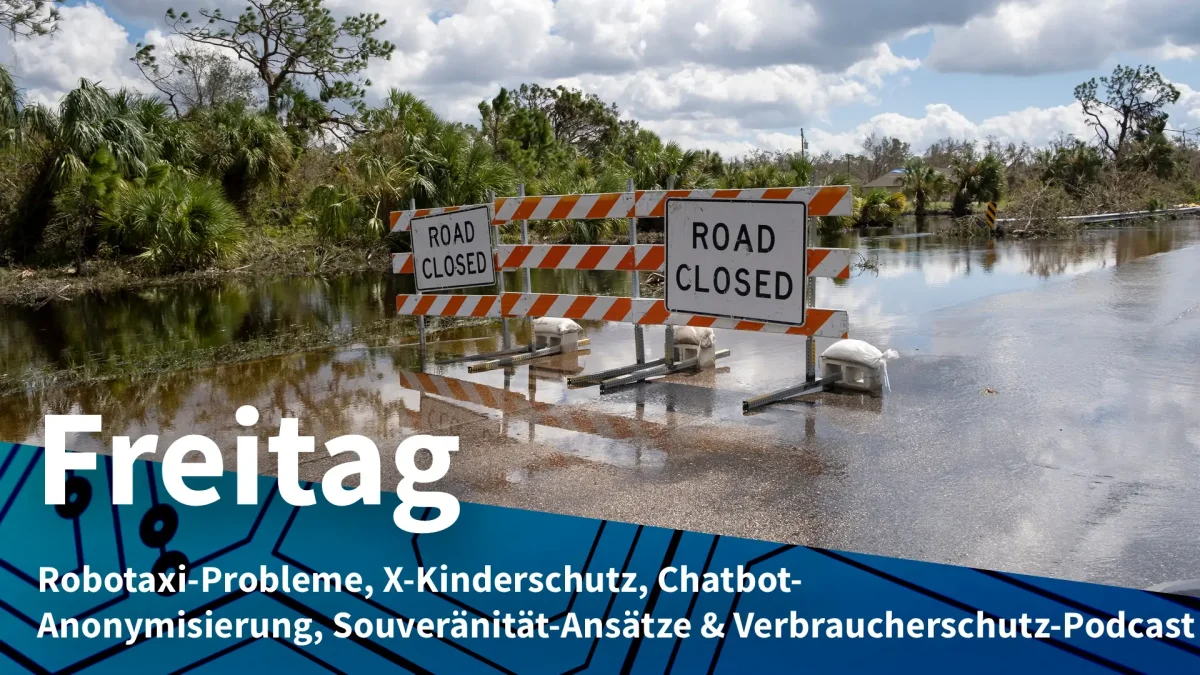
Waymo, the self-driving car pioneer, is hitting some major bumps in the road. Its robotaxis have struggled, big time, across the U.S. and are facing significant operational challenges. We're talking about vehicles getting stuck in highway construction zones, forcing Waymo to pull back operations in four big cities. And then there's the rain. Heavy downpours in places like Atlanta and San Antonio? That sent some Waymo cars right into flooded streets, shutting down service completely in those areas.
So Waymo's paused highway ops, citing safety. Fair enough. The company says it's scrambling on software updates to fix things. For now, in San Francisco, Los Angeles, Phoenix, and Miami, you won't see Waymo on the freeway. They're sticking to city streets, figuring out what's going wrong up there. This pause is significant because these cities, known for their extensive highway networks, are critical testing grounds for scaling Waymo's operations.
The Role of Weather and Infrastructure
These Waymo woes? They really show just how tough it is to run self-driving cars in the real world — with all its crazy weather and messy infrastructure. The downpours in Atlanta and San Antonio pushed the systems to their breaking point. Cars got stuck. Period. And construction zones? Another whole headache. These vehicles need way smarter navigation and decision-making skills to handle that kind of chaos.
- Two cities faced a complete service shutdown, thanks to flooding.
- Four cities have highway operations on hold, largely due to construction challenges.
The fix? Waymo's pouring resources into software updates, hoping for better navigation and, crucially, safety. The task is monumental, involving complex algorithms that must interpret diverse and unpredictable conditions. For instance, the company’s software needs to better recognize and respond to temporary road signs and unexpected lane closures that are commonplace in construction zones.
A Day in the Life of Waymo in San Francisco
Imagine a typical day in San Francisco, where a Waymo car is tasked with navigating the bustling city streets. It's 8 a.m., and the streets are alive with a mix of cars, cyclists, pedestrians, and delivery trucks. Waymo cars must not only follow the rules of the road but also anticipate the unpredictable behavior of human drivers and pedestrians. As the car approaches a construction zone, the challenge intensifies. Here, the vehicle’s sensors and cameras must identify and interpret temporary signs and cones, all while maintaining a safe distance from workers. This scenario highlights the intricate dance of technology and real-world unpredictability that Waymo must master.
European Perspective on Autonomous Driving
Across the pond, Europe is still pumping money into self-driving tech, but Waymo's U.S. headaches offer some pretty important lessons. European cities, with their ancient, tangled streets, face similar, maybe even tougher, problems as they build out their autonomous infrastructure. And the EU's rules? They'll definitely shape how these systems handle all those different environments.
The European Union has stringent regulations governing vehicle safety and emissions, which means any autonomous vehicles must adhere to high standards. These regulations could potentially influence global standards, making Europe's response to Waymo's challenges particularly relevant. Moreover, the historical layout of many European cities, with their narrow and winding roads, presents a unique challenge that could require additional technological advancements.
What This Means for You
Thinking about hopping in a robotaxi? You'll want to keep an eye on safety updates and service changes. Waymo pulling back in some places? That's definitely going to hit availability and reliability, at least for a while. So yeah, brace for possible delays and service tweaks as they try to get their systems up to snuff.
For consumers, this means a temporary reduction in the convenience offered by autonomous vehicles. If you're in one of the affected cities, you might experience longer wait times or need to use alternative modes of transportation. This also highlights the broader implications for those considering investing in or relying on autonomous vehicle technology.
What's Still Unclear
Still a lot we don't know, honestly. When will Waymo resume full operations? Can software really fix all these issues? We'll see. And the bigger question: What do these environmental snags mean for self-driving cars in the long run? That's a huge research area, and one we're barely scratching the surface of.
These uncertainties underscore the complexity of developing autonomous vehicles that can safely and reliably navigate our world. It raises questions about the readiness of self-driving technology to handle the myriad of scenarios it might encounter. The industry is still in the experimental phase, and while the potential benefits are enormous, the path forward is fraught with challenges.
Why This Matters
Waymo hitting the brakes here? It just screams how hard it is to get truly reliable self-driving tech. Yes, robotaxis could change everything about how we get around. But this whole situation really drills home that these systems need to be tough. Seriously tough. They've got to handle the messy, unpredictable real world.
Safety and adaptability are paramount as these cars continue to develop. The current setbacks emphasize the need for robust systems capable of handling diverse environments and weather conditions. As the technology evolves, so too must public policy and infrastructure to support these advancements. The journey toward fully autonomous vehicles is a marathon, not a sprint, and Waymo's recent challenges are a reminder of the complexities involved in shaping the future of transportation.
Discuss this story
Got a take, a correction, or a follow-up tip? Reply where you read — we read everything.
Found an error? File a correction at /corrections. Substantive corrections are logged publicly.
One short email. The most important EV & Auto news, fact-checked, no fluff. Free, unsubscribe anytime.
More from EV & Auto
Tesla Model 3 vs Polestar 2: Choosing Your Next EV Wisely
A balanced breakdown of Tesla Model 3 and Polestar 2. Compare specs, performance, design, and more to find the right EV for you.
Tesla Model Y vs Hyundai Ioniq 5: Which Electric SUV Fits Your Drive?
Tesla Model Y and Hyundai Ioniq 5 go head-to-head in this comprehensive guide. Discover which EV aligns with your priorities.
Tesla Model 3 vs BYD Seal: Which Electric Sedan Suits Your Drive?
Tesla Model 3 and BYD Seal each offer unique strengths in the EV market. Explore specs and decide which aligns with your lifestyle.
Best Aftermarket Displays for Android Auto and Apple CarPlay in 2023
Discover standout aftermarket displays for Android Auto and Apple CarPlay, their unique features, and how they compare.
The Byte-Pulse Newsroom is the editorial system that produces Byte-Pulse's daily tech news coverage. Each story is cross-referenced across 3+ independent outlets, drafted with AI assistance by the newsroom system (Drafter → Editor → Fact-Checker → Polisher), and reviewed by Serhat Er, Editor-in-Chief, before publication. We disclose AI augmentation openly. Editorial accountability stays with the named editor on every article. Tips: editorial@byte-pulse.net.
Don’t miss these
Asus ROG Phone 9 vs Sony Xperia 1 VII: Which Niche Flagship Earns Your Money?
Deciding between the gaming-focused ROG Phone 9 and the creator-centric Xperia 1 VII? This guide breaks down every spec to help you choose.
Proton VPN vs NordVPN: Which One Earns Your Subscription?
A deep dive into Proton VPN and NordVPN, comparing their privacy, performance, features, and value, helping you make an informed decision.
Perplexity Pro vs ChatGPT Plus: Which AI Assistant Fits Your Workflow?
This guide lays out the strengths and approaches of Perplexity Pro and ChatGPT Plus, helping you identify which AI assistant aligns with your specific needs.

Pokémon TCG Movie Signals Strategic Media Pivot for The Pokémon Company
A new Pokémon movie focused on the TCG is coming in 2027, marking a strategic pivot for the franchise as it navigates massive global fan engagement and logistical challenges.

Apple's AI Pivot: Vision Pro Content Cut, Siri Rebuilt Amid Layoffs
Apple's latest layoffs signal a strategic pivot, dialing back high-cost Vision Pro content while re-tooling Siri for the AI era. What's next for Apple?
Honor Magic 8 Pro vs Samsung Galaxy S26 Ultra: Which Future Flagship Fits Your Wallet and Workflow?
Deciding between the anticipated Honor Magic 8 Pro and Samsung Galaxy S26 Ultra? Our deep dive into expected specs and features provides the fair comparison you need.