WhatsApp Introduces 'Liquid Glass' Design in Latest iOS Beta
Beta testers spot sleek design tweaks in WhatsApp's latest iOS build.


WhatsApp has been progressively enhancing its user experience, and its latest design endeavor, the 'Liquid Glass' design, is creating quite a buzz among beta users on iOS. This design update is a part of WhatsApp's ongoing efforts to align its interface with the aesthetic advancements seen in Apple's own ecosystem. While still in its beta phase, the Liquid Glass design promises a visually appealing overhaul that could soon be available to all iOS users.
Liquid Glass Moves Forward
The introduction of the Liquid Glass design in the latest iOS beta coincides with the release of iOS 26. It's a strategic move by Meta, the parent company of WhatsApp, to integrate a polished, semi-transparent look that resonates with Apple's modern design philosophy. Initially, this design was applied to the app's navigation bar and Chats tab, providing a glimpse into the future direction of WhatsApp's visual identity. As noted by 9to5Mac, these changes are currently visible to beta users, while the general user base still interacts with the traditional interface.
This latest beta update extends the Liquid Glass design into the in-chat interface, a significant expansion from its initial application. Recent tweaks have also been observed in the voice message player, which now sports a more cohesive and sophisticated appearance. The message reactions and context menus have also been updated, offering a more robust and visually appealing design. According to WABetaInfo, the reaction tray has been redesigned to appear more solid, while the context menus are beginning to adopt the Liquid Glass aesthetic.
Contextual Trends and Industry Background
The push towards a Liquid Glass design by WhatsApp is part of a broader industry trend where app developers are increasingly aligning their design languages with Apple’s visual updates. This approach not only enhances the user experience for iOS users but also maintains competitiveness in a market saturated with communication platforms. The trend towards transparency and minimalism in app interfaces is a response to user demand for more intuitive and seamless interactions.
In the context of the European Union, where data privacy and user interface design are scrutinized, such updates must also comply with regulatory standards. Ensuring that design changes do not impede accessibility or data protection measures is crucial, especially as WhatsApp continues to expand its reach in diverse markets.
Beta Peek and User Hopes
Beta users, often the first to experience new features, have reported that the chat list's context menu now incorporates some elements of the Liquid Glass design. However, the message menu still lacks the same level of transparency, indicating that Meta is fine-tuning these elements before a full-scale release. This staggered rollout strategy allows for feedback and adjustments, ensuring that the final product meets user expectations.
What’s Changing:
- Liquid Glass design applied to message reactions.
- Context menu updates featuring increased transparency.
- Gradual integration of Liquid Glass design throughout the app.
WhatsApp's Design Play
WhatsApp's adoption of the Liquid Glass design reflects Meta's broader strategy to keep its suite of applications fresh and competitive, especially on iOS platforms. As the digital landscape becomes increasingly competitive, maintaining a visually appealing and user-friendly interface is paramount. These design updates are not merely about aesthetics; they are about enhancing functionality and user engagement.
For iOS users, this means a more cohesive experience that feels native to the Apple ecosystem. For WhatsApp, it represents a commitment to innovation and user satisfaction, crucial elements in retaining a loyal user base and attracting new users.
What's Still Unclear
While the Liquid Glass design is a promising update, several questions remain unanswered. Primarily, there is uncertainty about when these updates will be available to the general public. While beta versions provide a glimpse into future features, the timeline for a full rollout is still unknown. Additionally, it's unclear if Android users will receive a similar update, or if this design will remain exclusive to iOS.
Another open question is the potential impact on app performance. As with any visual overhaul, there is always a risk of increased resource usage, which could affect older devices or those with limited processing power. User feedback will be crucial in understanding how these changes impact everyday use.
What This Means for You
For the average WhatsApp user, the introduction of the Liquid Glass design could mean a more visually appealing and seamless messaging experience. If you're an iOS user, you can expect an interface that feels more in tune with other Apple applications, potentially enhancing your overall experience on your device. However, if you're using older hardware, it's wise to be aware of potential performance implications once these updates are fully deployed.
For those who rely heavily on WhatsApp for communication, staying updated on these changes can help you adapt quickly and make the most of new features as they become available. Understanding these updates can also inform your decisions about hardware upgrades, ensuring compatibility and optimal performance.
Editorial Take
WhatsApp's move to incorporate the Liquid Glass design is a clear indication of its commitment to staying relevant in a fiercely competitive market. By aligning its design with Apple's aesthetics, WhatsApp is not just enhancing its visual appeal but also improving functionality and user experience. While some uncertainties remain, the potential benefits of these updates are significant, providing users with a more modern and sophisticated interface. As these changes continue to evolve, it will be interesting to see how WhatsApp balances innovation with user feedback and technical constraints, ensuring that its platform remains a top choice for communication worldwide.
Editor-tracked discounts on the gadgets and gear worth buying right now.
See the deals →Discuss this story
Got a take, a correction, or a follow-up tip? Reply where you read — we read everything.
Found an error? File a correction at /corrections. Substantive corrections are logged publicly.
One short email. The most important Web & Apps news, fact-checked, no fluff. Free, unsubscribe anytime.
More from Web & Apps

D23 2026: Disney's Content Deluge Sparks Questions About Strategy
Byte-Pulse cuts through D23 hype: We dissect Disney's ambitious content slate, from Simpsons: Hit & Run to Ahsoka season 2, and question the real-world implications and European market strategy.

Spotify Relaunches AI Running Mode for iOS Premium Users
Spotify's new Running Mode for iOS uses AI to sync music with your stride, but its success hinges on AI quality and user input
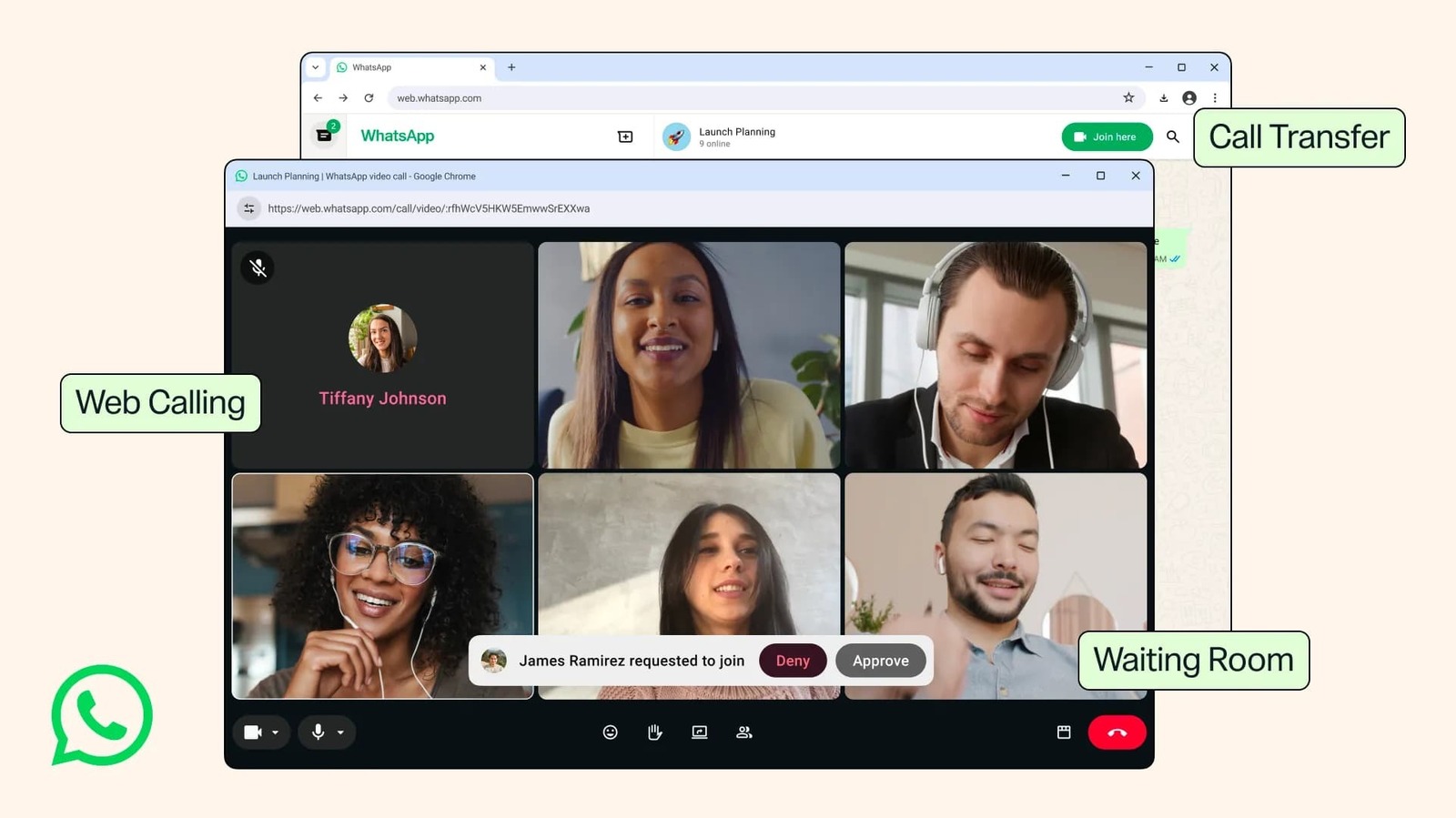
WhatsApp Web Gets Calls: Meta's Cross-Platform Play Begins
WhatsApp Web now supports encrypted calls, screen sharing, and call transfers. We dissect Meta's strategic shift and its implications for users and enterprise adoption in Europe.

Fox's $22 Billion Acquisition of Roku: A New Era in Streaming
Fox's acquisition of Roku for $22 billion marks a pivotal shift in streaming, merging content strength with platform reach.
The Byte-Pulse Newsroom is the editorial system that produces Byte-Pulse's daily tech news coverage. Each story is cross-referenced across 3+ independent outlets, drafted with AI assistance by the newsroom system (Drafter → Editor → Fact-Checker → Polisher), and reviewed by Serhat Er, Editor-in-Chief, before publication. We disclose AI augmentation openly. Editorial accountability stays with the named editor on every article. Tips: editorial@byte-pulse.net.
Don’t miss these
OnePlus 14 vs Samsung Galaxy S26: Which Flagship Earns Your Hard-Earned Cash?
Deciding between the OnePlus 14 and Samsung Galaxy S26? This guide cuts through the noise, laying out the facts so you can pick the perfect phone for your priorities.
Proton VPN vs NordVPN: Which One Earns Your Subscription?
A deep dive into Proton VPN and NordVPN, comparing their privacy, performance, features, and value, helping you make an informed decision.
Perplexity Pro vs ChatGPT Plus: Which AI Assistant Fits Your Workflow?
This guide lays out the strengths and approaches of Perplexity Pro and ChatGPT Plus, helping you identify which AI assistant aligns with your specific needs.

Pokémon TCG Movie Signals Strategic Media Pivot for The Pokémon Company
A new Pokémon movie focused on the TCG is coming in 2027, marking a strategic pivot for the franchise as it navigates massive global fan engagement and logistical challenges.

Apple's AI Pivot: Vision Pro Content Cut, Siri Rebuilt Amid Layoffs
Apple's latest layoffs signal a strategic pivot, dialing back high-cost Vision Pro content while re-tooling Siri for the AI era. What's next for Apple?
Nothing Phone 4 vs Google Pixel 11: Looking Ahead to the Next Generation
A speculative deep dive into what the Nothing Phone 4 and Google Pixel 11 might bring, offering a balanced look at their likely strengths and trade-offs for future buyers.