Apple Faces Price Hikes Due to Chip Shortages, Says Tim Cook
As Tim Cook warns of rising prices, consumers brace for impact amid memory shortages.


Tim Cook warns of unavoidable price hikes
Apple's CEO, Tim Cook, has recently sounded the alarm: price increases for the company's products are "unavoidable." In an interview with The Wall Street Journal, Cook highlighted the intense pressure Apple is under due to skyrocketing memory and storage chip costs, which have ballooned fourfold in just a year. "This situation is unsustainable," Cook stated, acknowledging the ripple effect this has on Apple's pricing strategy. While specifics on which products will be affected and how much prices will rise remain unclear, consumers are already bracing for impact.
The price hikes come at a time when the global economy is still grappling with post-pandemic inflation and supply chain disruptions. For tech companies like Apple, which rely heavily on global manufacturing and logistics, these cost increases pose significant challenges. Cook's comments underscore the delicate balancing act that Apple must perform: maintaining its market-leading position while addressing the financial realities of increased production costs.
Memory chip shortages drive costs higher
These anticipated price hikes have their roots in a persistent shortage of memory chips, a crisis that industry insiders have dubbed "RAMageddon." The rise of artificial intelligence and data-driven services has led to a surge in demand for memory chips, outstripping supply and leading manufacturers to consider passing hefty price increases onto major players like Apple. "There’s less supply at a time when consumers want devices, and the memory guys are passing along huge price increases," Cook noted.
This tightening market is not just a concern for tech giants like Apple. Smaller companies and startups, which often have less negotiating power with suppliers, could find themselves squeezed out of the market. The ramifications extend beyond the tech sector—industries ranging from automotive to home appliances are also feeling the pinch as semiconductors become integral to a wide array of products. This complex situation highlights the interconnected nature of modern manufacturing and the global economy.
What Apple could raise prices on this fall
Though Cook hasn't confirmed which products will see price hikes, industry analysts have their suspicions. The upcoming iPhone 18 is believed to be a likely candidate. Estimates suggest Apple might need to raise the iPhone 18 Pro's price by about $270 to maintain profit margins. According to The Verge, this could push the iPhone 18 Pro's price from $1,099 to around $1,299. Such a hike would be significant, potentially testing the loyalty of Apple's customer base.
Other products, including the Mac, iPad, and possibly the Apple Watch, could also face price increases. These products are not immune to the rising costs of components, and Apple will need to carefully consider how much of this burden it can pass onto consumers without alienating them. The company faces a strategic decision: absorb some of the costs to maintain competitive pricing, or pass them on and risk losing market share.
Consumer reactions to potential price increases
The potential price increases are likely to elicit a range of reactions from consumers. Apple has cultivated a loyal customer base that might be willing to absorb higher costs for premium products. However, rising prices could deter budget-conscious consumers, especially in a global economy still feeling the effects of inflation.
Reports from Engadget and The Verge suggest public sentiment is cautious. Many consumers are concerned about affordability, and a significant price hike could drive some to seek alternatives, particularly for high-end devices like the MacBook Pro or the latest iPhone. In Europe, where consumers are particularly sensitive to price changes due to fluctuating exchange rates and varying purchasing power, Apple's pricing strategy will be closely watched.
How Apple's pricing strategy could change
The implications of these price hikes extend beyond immediate consumer reactions; they could signal a shift in Apple's overall pricing strategy. Historically, Apple has positioned itself at the premium end of the market. However, with costs rising and consumer sensitivity to pricing growing, Apple may need to rethink this approach.
9to5Mac has highlighted that Apple has started phasing out lower-cost options from its lineup, hinting at a move towards higher average prices. This trend is not isolated to Apple alone. Across the industry, companies are grappling with how to balance premium pricing with consumer expectations in a rapidly changing market. For Apple, maintaining its brand image as a purveyor of high-quality, premium products while adapting to these economic realities will be crucial.
Compared to: Apple's closest competitors
When considering Apple's potential price hikes, it is informative to compare its strategy to that of its closest competitors, such as Samsung and Google. Both companies offer a range of high-end smartphones and devices that rival Apple's offerings. Samsung, for instance, has managed to maintain competitive pricing for its Galaxy series, partly by leveraging its own semiconductor manufacturing capabilities. This vertical integration allows Samsung to cushion some of the cost increases that are affecting the broader market.
Google, on the other hand, has positioned its Pixel phones as high-quality alternatives to the iPhone, often undercutting Apple on price. The Pixel 7 Pro, for example, offers similar features to the iPhone 14 Pro but at a lower price point, appealing to consumers looking for value without compromising on quality. As Apple navigates its pricing dilemma, these competitors could capitalize on any consumer dissatisfaction resulting from significant price hikes.
A real daily-use scenario
Consider a European tech enthusiast named Sophie who typically upgrades her iPhone every two years. With the anticipated price increase, she faces a dilemma. The iPhone 18 Pro, which she has been eyeing, might see a price jump from $1,099 to $1,299. For Sophie, who budgets carefully and is sensitive to exchange rate fluctuations, this hike represents a significant financial decision.
Sophie values Apple's ecosystem and the seamless integration of her devices. However, the increased cost prompts her to explore alternatives like the Samsung Galaxy S23 or the Google Pixel 7 Pro. Both offer competitive features and, importantly, come at a lower price point. Sophie's situation illustrates the broader consumer challenge: weighing brand loyalty and ecosystem benefits against the hard realities of personal finance.
What this means for you
For consumers, the expected price hikes from Apple are more than just a reflection of market dynamics; they are a reminder of the complex relationship between production costs, market forces, and consumer pricing. If you're an Apple user, you might need to brace for the possibility of spending more on your next device. This situation also encourages consumers to critically assess the value they derive from their devices and to explore whether alternatives might meet their needs at a lower cost.
For those considering a switch or delaying an upgrade, it's worth keeping an eye on competitor offerings. Companies like Samsung and Google are likely to use this opportunity to attract cost-sensitive customers. Meanwhile, understanding the broader economic context can provide insights into why these price changes are happening and help in making informed purchasing decisions.
What's still unclear
Despite the likelihood of price increases, several questions remain unanswered. Apple has yet to clarify whether prices will rise uniformly across all product lines or if certain categories will face steeper hikes. Additionally, it is uncertain how these changes will affect Apple's market position against competitors like Samsung or Google, who might benefit from any consumer pushback.
Furthermore, will these price adjustments impact Apple's upcoming product launches, particularly the highly anticipated iPhone 18? Until Apple shares more concrete information, these uncertainties will continue to weigh on the minds of consumers and industry analysts alike. For now, speculation abounds, and both consumers and competitors are watching closely.
A closing take
Apple's anticipated price hikes underscore the pressures facing the tech industry amid rising component costs and supply chain challenges. Tim Cook's comments reveal the immediate economic pressures Apple is grappling with, while also pointing to potential shifts in consumer expectations and behaviors. How Apple navigates these challenges will not only influence its future strategy but may also set the tone for pricing across the tech sector.
For consumers, this situation is a call to be vigilant about the changing dynamics of the tech market. Whether you're an Apple loyalist or a potential switcher, understanding the factors driving these price changes can help you make more informed decisions. As the landscape continues to evolve, staying informed and flexible will be key.
Sources cross-referenced
This story was synthesised from reporting by 4 outlets:
1. TechCrunch 2. Engadget 3. 9to5Mac 4. The Verge
Cases, chargers and AirPods alternatives the editors actually use.
Shop mobile gear →Discuss this story
Got a take, a correction, or a follow-up tip? Reply where you read — we read everything.
Found an error? File a correction at /corrections. Substantive corrections are logged publicly.
One short email. The most important Mobile news, fact-checked, no fluff. Free, unsubscribe anytime.
More from Mobile

Apple's 'Deep Discounts': US Inventory Flush, Not European Bargains
Byte-Pulse examines Apple's recent US sales, revealing that 'deep discounts' on popular devices like the iPhone 17 Pro and M3 iPad Air are less about consumer savings and more about clearing stock ahead of new launches. We critically assess whether these offers translate to real value for European buyers.
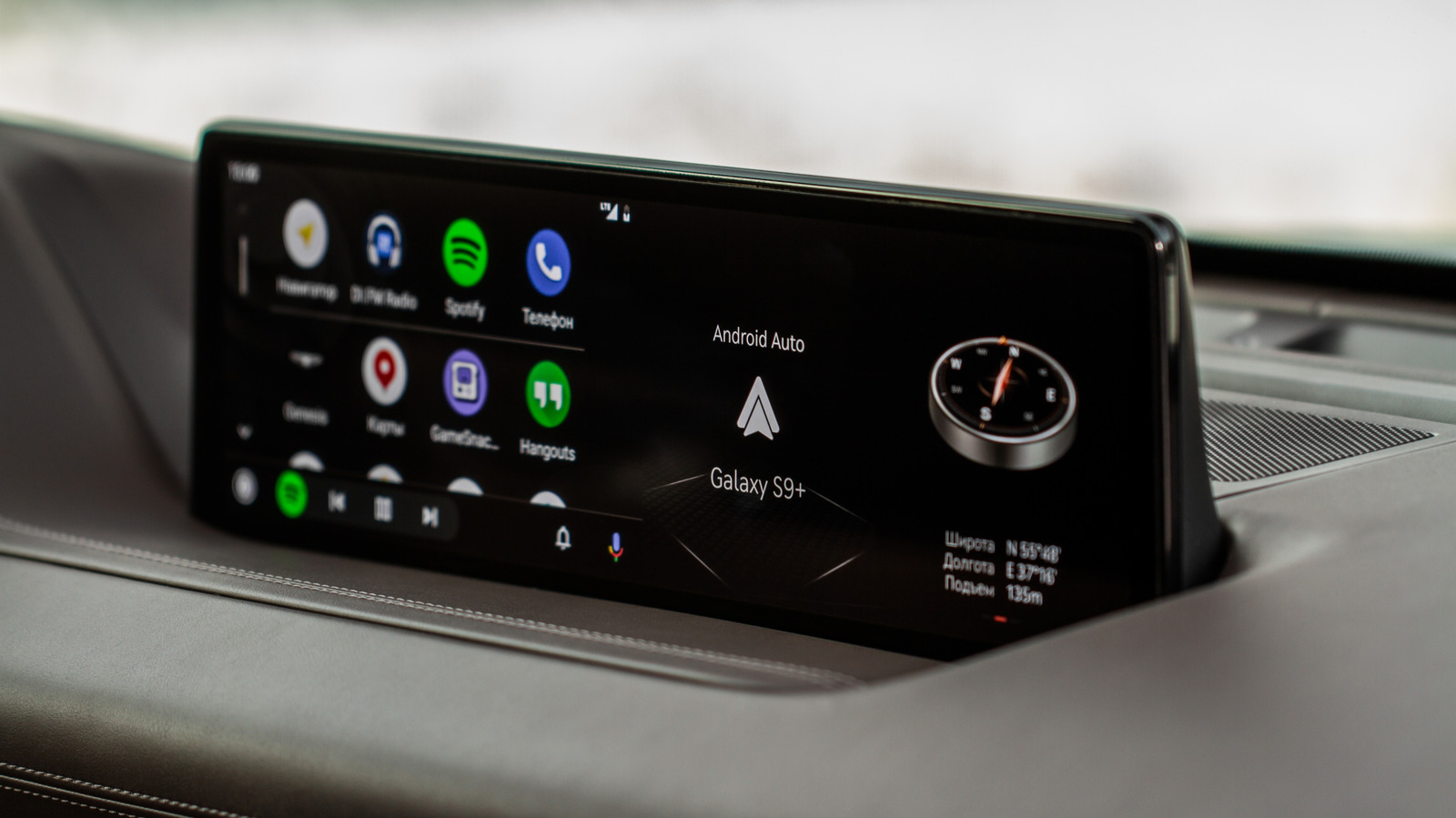
Android Auto vs. CarPlay: Open vs. Controlled Infotainment Ecosystems
A deep dive into Android Auto's flexibility versus Apple CarPlay's curated experience, impacting user choice and OEM strategy

Google's Grip on Android App Distribution Under Fire
US District Judge James Donato gives Google one week to fix its deliberately obscured third-party app store access, highlighting Google's resistance to fair competition

Android 17 QPR2 Beta 3: Pixel Security and Controls Get a Boost
Byte-Pulse examines Android 17 QPR2 Beta 3, focusing on new UI elements, security updates, and user controls for Pixel devices.
The Byte-Pulse Newsroom is the editorial system that produces Byte-Pulse's daily tech news coverage. Each story is cross-referenced across 3+ independent outlets, drafted with AI assistance by the newsroom system (Drafter → Editor → Fact-Checker → Polisher), and reviewed by Serhat Er, Editor-in-Chief, before publication. We disclose AI augmentation openly. Editorial accountability stays with the named editor on every article. Tips: editorial@byte-pulse.net.
Don’t miss these
Proton Mail vs Gmail: Which Email Service Fits Your Digital Life?
Unsure about Proton Mail vs Gmail? We break down security, features, pricing, and daily use so you can confidently pick the email service that aligns with your priorities.
Perplexity Pro vs ChatGPT Plus: Which AI Assistant Fits Your Workflow?
This guide lays out the strengths and approaches of Perplexity Pro and ChatGPT Plus, helping you identify which AI assistant aligns with your specific needs.

Pokémon TCG Movie Signals Strategic Media Pivot for The Pokémon Company
A new Pokémon movie focused on the TCG is coming in 2027, marking a strategic pivot for the franchise as it navigates massive global fan engagement and logistical challenges.

Apple's AI Pivot: Vision Pro Content Cut, Siri Rebuilt Amid Layoffs
Apple's latest layoffs signal a strategic pivot, dialing back high-cost Vision Pro content while re-tooling Siri for the AI era. What's next for Apple?

D23 2026: Disney's Content Deluge Sparks Questions About Strategy
Byte-Pulse cuts through D23 hype: We dissect Disney's ambitious content slate, from Simpsons: Hit & Run to Ahsoka season 2, and question the real-world implications and European market strategy.

eBay's $55.7M Cyberstalking Settlement: A Corporate Culture of Coercion Exposed
Byte-Pulse investigates the eBay cyberstalking case, revealing a disturbing harassment campaign, executive involvement, and the broader implications for corporate ethics.