Black Flag Resynced: A Technical Marvel That Loses Its Assassin's Heart
Ubisoft's return to the Caribbean technically stuns, but struggles to find its assassin's heart

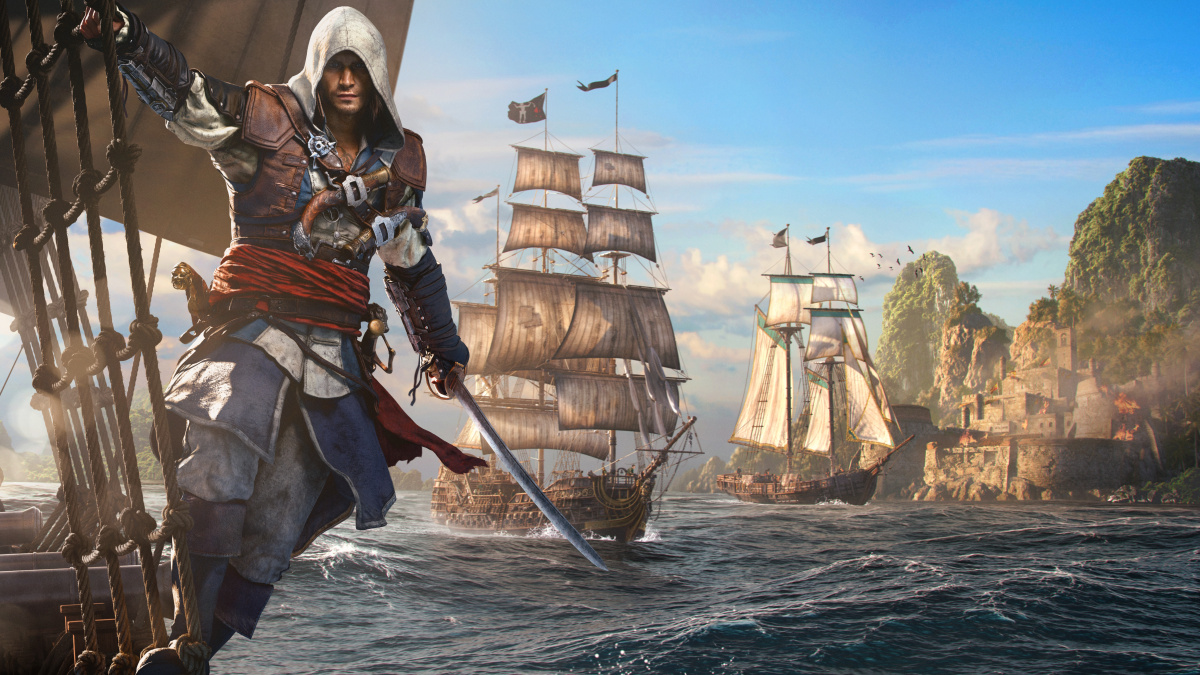
Is 'Resynced' a true remake or a cynical cash grab?
Ubisoft's Assassin's Creed IV: Black Flag Resynced lands in a sea of 'remake fatigue.' The promise is substantial: a modern re-imagining of one of the series' most popular entries. However, after diving into the details and the divided critical reception, one cannot help but ask whether this is a genuine new voyage or merely a familiar hull given a fresh coat of paint. Golem.de's Tim Elsner notes that the term 'Resynced' deliberately steps outside the familiar 'remastered' and 'remake' categories. Ubisoft claims Resynced contains 'no single line of code of the original game,' a bold technical assertion that, if true, firmly places it in the remake camp.
Josh Broadwell, writing for Polygon, describes Resynced as 'halfway between a remake and a remaster,' suggesting that while the visual overhaul is 'absolutely gorgeous,' Ubisoft was 'less sweeping with its changes elsewhere.' This is where the 'cash grab' argument gains traction. If the underlying code is new, but the design choices feel largely rehashed or compromised, then the effort primarily serves to re-monetize an existing asset with minimal creative risk.
Ubisoft's new approach: More ship combat, less stealth?
Resynced consistently shines in its graphical fidelity, particularly concerning the maritime elements. IGN's Jacqueline Thomas praises the 'stunning' visuals, 'luscious vegetation,' and 'most beautiful water effects' she's seen recently. Golem.de declares the sea battles to be the 'clear highlight' of the gameplay, praising the visceral satisfaction of a 'saftige Breitseite' and the chaos of boarding actions. This focus on naval warfare aligns with the original Black Flag's breakout success.
Yet, this intensified focus on open-sea combat comes at a cost to the land-based, stealth-oriented gameplay. Broadwell points out that the combat now features parrying, a mechanic he finds 'not a great fit for Black Flag's swashbuckling' and one that 'never evolves or fits with other skills.' He further notes that naval combat, despite its visual splendor, 'remains tedious' for him. This highlights a fundamental design tension: pushing the pirate fantasy further risks diluting the 'Assassin' experience.
The original Black Flag's strengths versus the new iteration
The original Assassin's Creed IV: Black Flag from 2013 is widely regarded as a high point in the series. This adoration for the original sets a high bar for Resynced, one that, in many aspects, it struggles to clear. While Dexerto's Jessica Filby hails Resynced as 'a remake so perfect that it somehow makes one of the best Assassin’s Creed games even better,' citing new side quests, Officers, and a refined endgame, this seems to be an outlier opinion.
The more common critique, exemplified by Jordan Ramée of Gamespot (7/10), is that 'for every positive change that Resynced makes to Black Flag, it stumbles into creating a new problem.' A major point of contention is the handling of the modern-day framing device, which in the original centered around the Abstergo megacorporation. Gamespot reports that Resynced 'completely discards Black Flag's modern-day framing device and replaces it with another, optional, hidden side-story.' Broadwell laments that the original's modern-day story 'plays next to no role in Resynced for some reason,' using the phrase 'for some reason' to highlight a series of baffling design choices.
Why the 'assassin' label feels increasingly out of place
Golem.de's headline, 'Mehr Arrr als Assassine!' (More Arrr than Assassin!), perfectly encapsulates the fundamental identity crisis of Resynced. Elsner calls the 'Assassin's' in the title 'Etikettenschwindel' (label fraud) and notes that the series' core feeling is only 'most tangible' in cities like Havana. Broadwell highlights that Resynced is 'more action-heavy than the Ezio games and Mirage,' further distancing it from the series' stealth roots.
The new story chapters shift focus away from Kenway to his shipmates and Blackbeard, as Broadwell observes. This kind of narrative diffusion, coupled with simplified stealth mechanics and a general lack of depth in the traditional Assassin activities, makes the 'Assassin's Creed' moniker feel less like a core identity and more like a legacy brand tag applied to a fundamentally different experience.
Will the focus on piracy recapture player interest?
Despite the criticisms, Assassin's Creed Black Flag Resynced has garnered respectable aggregate review scores, with Metacritic pegging it at a solid 84 and OpenCritic at an 'almost-great' 87. This indicates that for many, the sheer enjoyment of the pirate adventure, now dressed in stunning modern visuals and running smoothly on a wider range of PC hardware, is enough to overcome its perceived shortcomings.
However, the broader context of 'remake fatigue' cannot be ignored. While Resynced might temporarily recapture interest with its dazzling pirate aesthetics and nostalgia, the long-term health of the industry relies on genuine innovation and original storytelling, not just beautifully rendered retreads. The market demands more than just visual upgrades; it demands substance. The question is not just if this old ship can sail, but where it intends to go, and whether it has any new treasure to offer beyond what's already been plundered.
Sources cross-referenced
This story was synthesised from reporting by 4 outlets:
Best-selling controllers, headsets and storage for your next session.
Shop gaming gear →Discuss this story
Got a take, a correction, or a follow-up tip? Reply where you read — we read everything.
Found an error? File a correction at /corrections. Substantive corrections are logged publicly.
One short email. The most important Gaming news, fact-checked, no fluff. Free, unsubscribe anytime.
More from Gaming

Pokémon TCG Movie Signals Strategic Media Pivot for The Pokémon Company
A new Pokémon movie focused on the TCG is coming in 2027, marking a strategic pivot for the franchise as it navigates massive global fan engagement and logistical challenges.
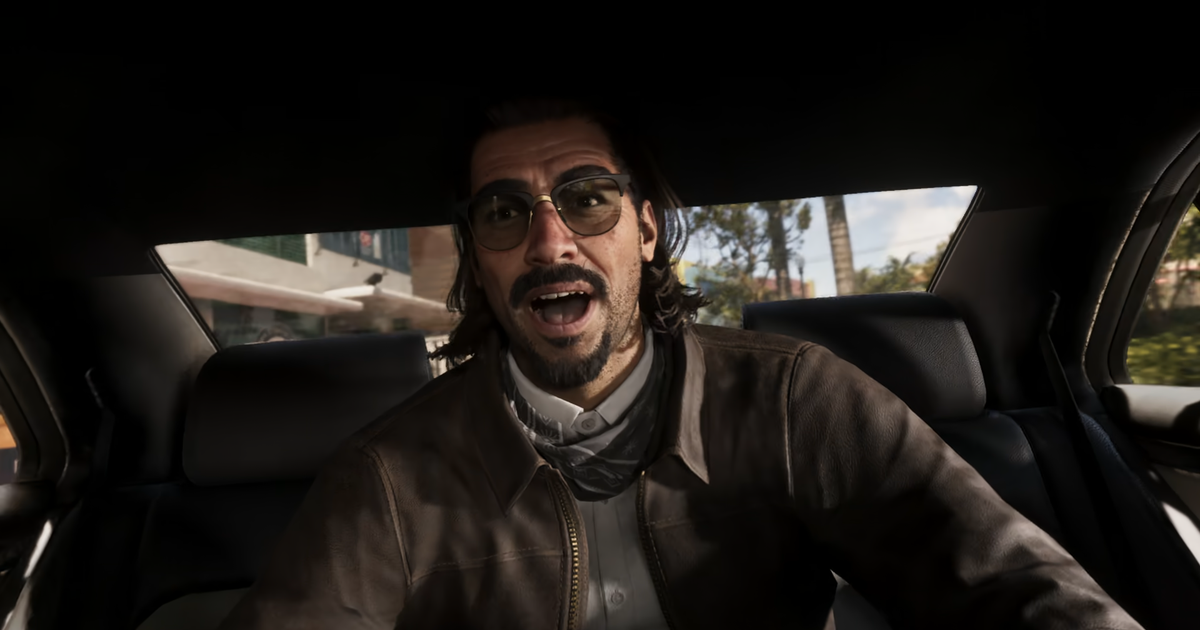
GTA 6's Realism Gamble: Will Player Patience Pay Off?
Byte-Pulse examines GTA 6's shift to ultra-realism, from complex Wanted systems to car refueling, and questions if 'ambition' justifies potential player friction.

Rockstar's Netflix Gambit: A 'New Thing' or Calculated Content Gate?
Rockstar Games initiated the Netflix exclusive 'extended look' for GTA 6, drawing ire from fans. We dissect the strategy and its implications.
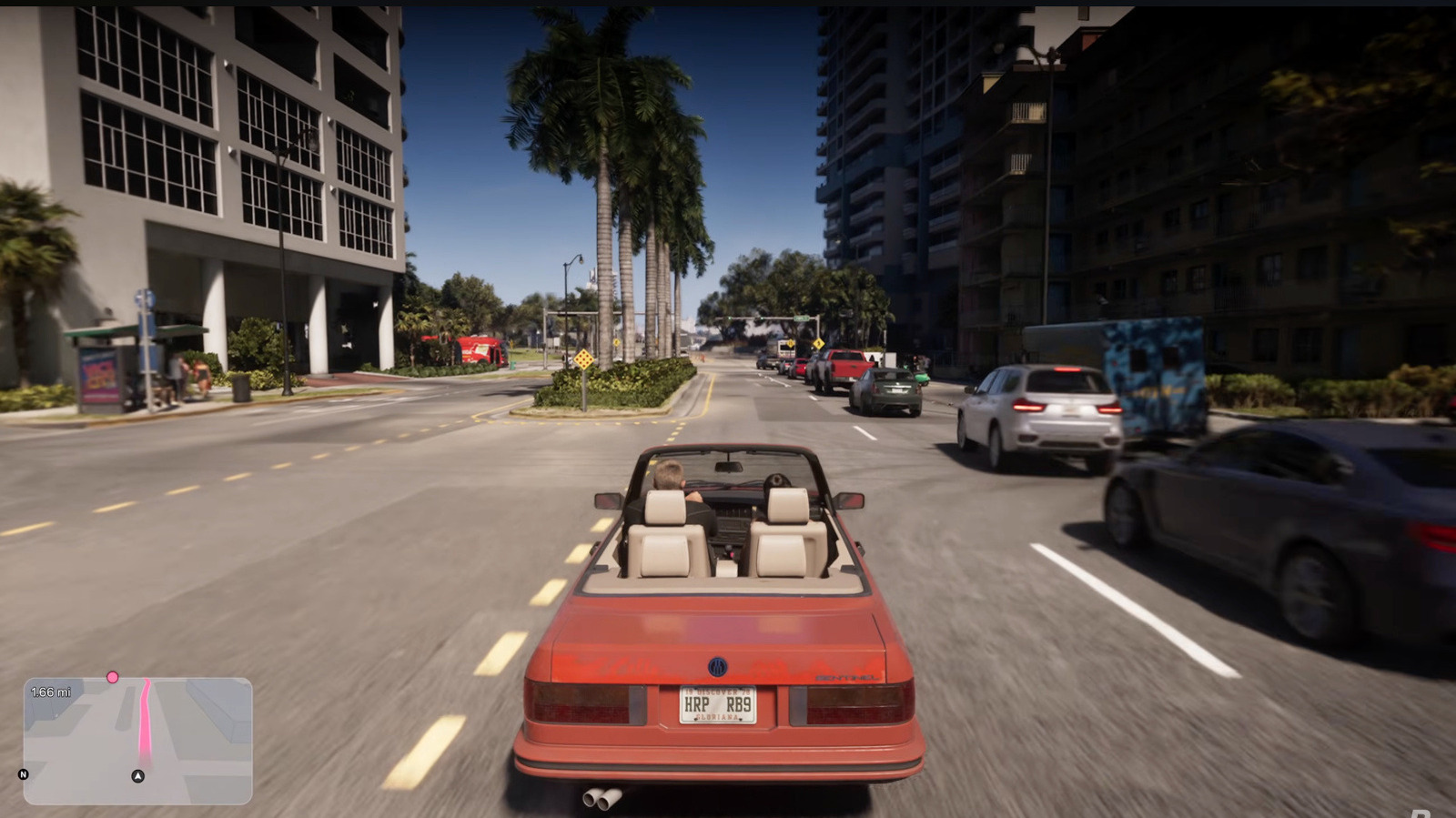
GTA VI: Beyond the Hype - Costs, Console Choices, and Cyber Threats
Byte-Pulse examines GTA VI's colossal scope, the practicalities of console choice, and the digital dangers lurking beneath the launch hype.
The Byte-Pulse Newsroom is the editorial system that produces Byte-Pulse's daily tech news coverage. Each story is cross-referenced across 3+ independent outlets, drafted with AI assistance by the newsroom system (Drafter → Editor → Fact-Checker → Polisher), and reviewed by Serhat Er, Editor-in-Chief, before publication. We disclose AI augmentation openly. Editorial accountability stays with the named editor on every article. Tips: editorial@byte-pulse.net.
Don’t miss these
Asus ROG Phone 9 vs Sony Xperia 1 VII: Which Niche Flagship Earns Your Money?
Deciding between the gaming-focused ROG Phone 9 and the creator-centric Xperia 1 VII? This guide breaks down every spec to help you choose.
Proton VPN vs NordVPN: Which One Earns Your Subscription?
A deep dive into Proton VPN and NordVPN, comparing their privacy, performance, features, and value, helping you make an informed decision.
Perplexity Pro vs ChatGPT Plus: Which AI Assistant Fits Your Workflow?
This guide lays out the strengths and approaches of Perplexity Pro and ChatGPT Plus, helping you identify which AI assistant aligns with your specific needs.

Apple's AI Pivot: Vision Pro Content Cut, Siri Rebuilt Amid Layoffs
Apple's latest layoffs signal a strategic pivot, dialing back high-cost Vision Pro content while re-tooling Siri for the AI era. What's next for Apple?

D23 2026: Disney's Content Deluge Sparks Questions About Strategy
Byte-Pulse cuts through D23 hype: We dissect Disney's ambitious content slate, from Simpsons: Hit & Run to Ahsoka season 2, and question the real-world implications and European market strategy.
Honor Magic 8 Pro vs Samsung Galaxy S26 Ultra: Which Future Flagship Fits Your Wallet and Workflow?
Deciding between the anticipated Honor Magic 8 Pro and Samsung Galaxy S26 Ultra? Our deep dive into expected specs and features provides the fair comparison you need.