iOS 27 Beta: Apple's AI Ambitions Meet Real-World Logistics
Examining Siri AI and the practical challenges of Apple's dual-track software strategy, particularly in Europe.

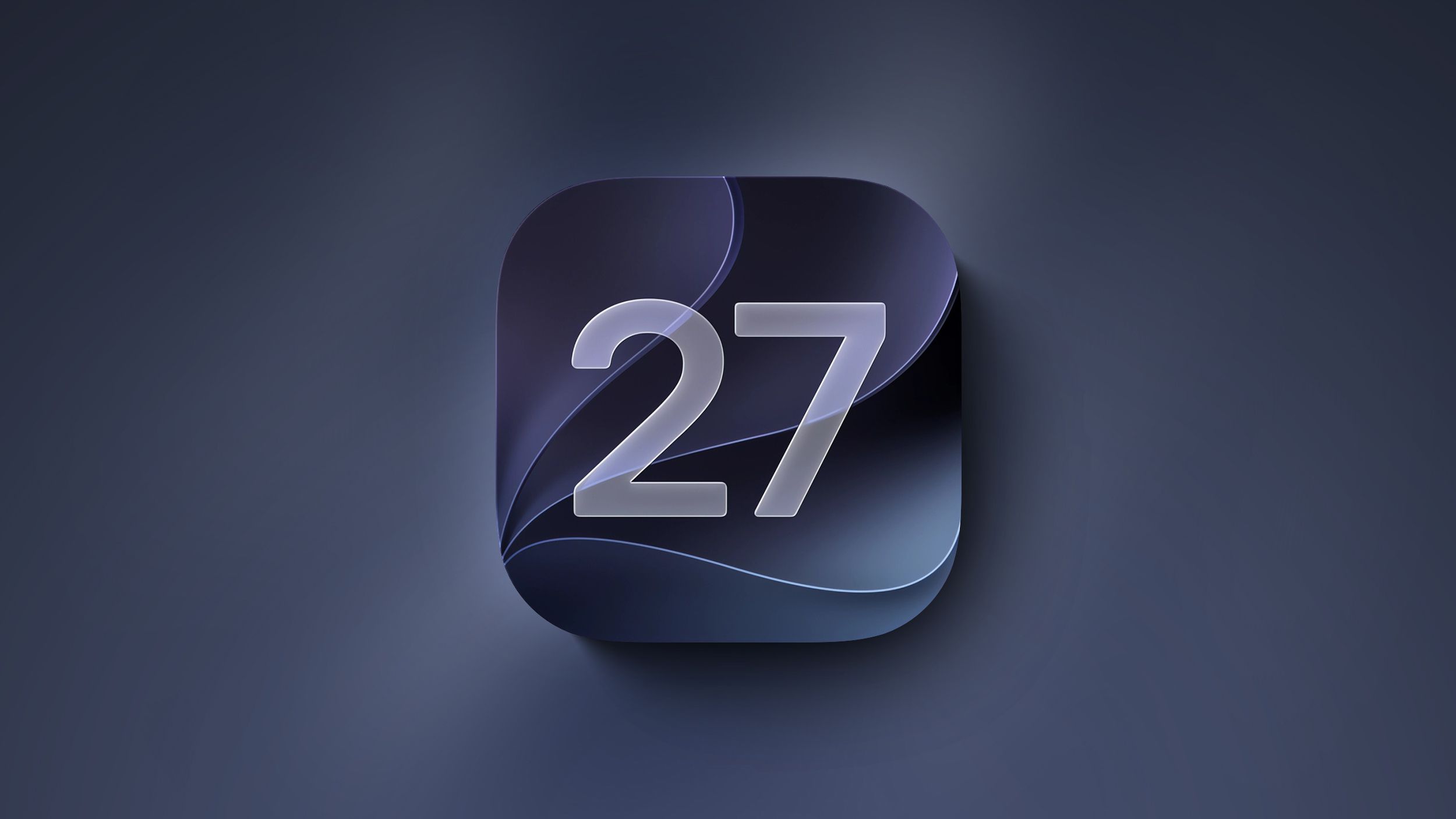
The recent release of iOS 27 Beta 3 to developers, reportedly in early July 2026, signals a focused and accelerated push from Apple. This rapid iteration, following initial developer betas released post-WWDC 2026 keynote on June 8, 2026, underscores the logistical complexity inherent in Apple's dual-track software development strategy.
Why a 2026 Summer WWDC Keynote Favors iOS 27's Launch
The timing of Apple's software development cycle typically offers a clear roadmap for a major iOS version's eventual public debut, though specific dates are not yet confirmed. Historically, these versions enter intensive developer testing through July and August, often culminating in a 'Golden Master' candidate around that time. The two-week interval between beta releases is standard practice, ensuring developers have ample time to test changes without excessive waits for fixes and new features.
The deeper implication, however, is the compressed window for enterprise adoption. Businesses relying on custom applications have a much shorter runway to ensure compatibility, especially given significant architectural shifts like the new Siri AI. This isn't merely about new features; it's about ensuring stability and predictable integration into existing IT infrastructure.
Breaking Down iOS 27's Performance Improvements
Apple is touting a range of performance enhancements in iOS 27, promising that "everything feels faster, even on older iPhones." These improvements reportedly include quicker app launches, faster AirDrop transfers, a more responsive keyboard, and better transitions between Wi-Fi and cellular networks. While these remain vendor claims, they represent foundational, quality-of-life upgrades that could genuinely impact daily usability.
Without independent benchmarks and real-world testing, however, these remain aspirational statements. The actual performance uplift will vary significantly depending on the specific device, its battery health, and the complexity of the applications running. True performance is measured by raw metrics, not just aesthetic polish.
Siri AI: How Apple's Latest Chatbot Aims to Revolutionize Interaction
The centerpiece of iOS 27 is 'Siri AI,' a significantly smarter iteration of Apple's long-standing virtual assistant. Siri AI combines general world knowledge with personal data gleaned from apps like Messages and Mail, alongside 'onscreen awareness' to answer questions and find information. This integration of contextual awareness represents a significant leap from previous iterations.
Apple's typically cautious approach to data privacy will, however, be under intense scrutiny. The technical implementation of such a system must offer transparent controls and strong local processing to avoid becoming a regulatory quagmire. I'm particularly interested in how Apple plans to handle stringent data protection requirements, such as the GDPR in Europe.
The Future of Apple Intelligence: New Features in Photos, Safari, and More
Beyond Siri AI, iOS 27 expands 'Apple Intelligence' across a suite of core applications, enhancing functionality in Photos, Safari, Shortcuts, Wallet, and Passwords. This pervasive strategy aims to embed AI throughout the user experience, making everyday tasks more efficient and intuitive. The expansion of Visual Intelligence promises direct analysis of real-world objects and the ability to take actions based on what the iPhone 'sees'.
What's the Real Impact of iOS 27's New Visual Intelligence Mode?
The new Visual Intelligence mode is presented as a significant evolution in how iPhones will interpret and interact with the physical world. This allows the iPhone to analyze real-world objects and take actions directly from visual input. For businesses, particularly in retail or logistics, this kind of visual AI could unlock entirely new workflows.
However, practical deployment requires high accuracy and low latency, especially in varied lighting conditions and complex environments. I'm skeptical that this will truly redefine daily use on day one, as the challenges of real-time object recognition and contextual understanding remain immense.
How iOS 27's Write with Siri Will Change Text Generation
One of the most intriguing new features in iOS 27 is 'Write with Siri,' a systemwide capability for generating text or offering feedback on your writing. This moves Siri beyond simple dictation or query answering, positioning it as a generative AI tool for content creation. For journalists, marketers, or anyone who spends significant time writing on their iPhone or iPad, this could genuinely streamline workflows.
However, the quality of generated text, the ability to maintain a consistent tone, and the accuracy of feedback will be paramount. The ethical considerations around AI-generated content, especially in professional contexts, will become more pressing. Will Apple provide clear indicators for AI-generated text? This is a critical detail for maintaining trust and transparency.
Several critical details remain unclear:
1. The specifics of how Siri AI's integration of personal data will adhere to GDPR regulations in the EU. 2. Hardware compatibility: Which specific iPhone and iPad models will fully support all the advanced AI features. 3. The extent of Siri AI's advanced capabilities functioning reliably without an internet connection. 4. Multilingual support: Whether Siri AI and Write with Siri will launch with comprehensive support for European languages. 5. Benchmarking transparency: When independent, third-party benchmarks can be expected to verify Apple's claims of system-wide performance improvements.
Why This Matters:
iOS 27 marks a significant moment for Apple, as the company aims to reassert its leadership in the AI space. For European users, the promise of a smarter, more integrated digital assistant is appealing, but it comes with a necessary demand for transparency, strong privacy controls, and genuine localization. The success of iOS 27 will not solely be judged on the flashiness of its new features, but on its ability to deliver consistent performance, maintain user trust, and integrate effectively into Europe's diverse linguistic and regulatory landscape.
Sources cross-referenced
This story was synthesised from reporting by 4 outlets:
Cases, chargers and AirPods alternatives the editors actually use.
Shop mobile gear →Discuss this story
Got a take, a correction, or a follow-up tip? Reply where you read — we read everything.
Found an error? File a correction at /corrections. Substantive corrections are logged publicly.
One short email. The most important Mobile news, fact-checked, no fluff. Free, unsubscribe anytime.
More from Mobile
Asus ROG Phone 9 vs Sony Xperia 1 VII: Which Niche Flagship Earns Your Money?
Deciding between the gaming-focused ROG Phone 9 and the creator-centric Xperia 1 VII? This guide breaks down every spec to help you choose.
Honor Magic 8 Pro vs Samsung Galaxy S26 Ultra: Which Future Flagship Fits Your Wallet and Workflow?
Deciding between the anticipated Honor Magic 8 Pro and Samsung Galaxy S26 Ultra? Our deep dive into expected specs and features provides the fair comparison you need.
Xiaomi 16 Pro vs iPhone 18 Pro: Which Flagship Fits Your World?
Deciding between the Xiaomi 16 Pro and iPhone 18 Pro? We break down every spec and trade-off, so you can make the choice that's right for you.
Motorola Edge 60 Ultra vs OnePlus 13: Which Android Flagship Fits Your Priorities?
Motorola Edge 60 Ultra and OnePlus 13 both aim for top-tier Android. We cut through the marketing to reveal the true differences, helping you choose.
The Byte-Pulse Newsroom is the editorial system that produces Byte-Pulse's daily tech news coverage. Each story is cross-referenced across 3+ independent outlets, drafted with AI assistance by the newsroom system (Drafter → Editor → Fact-Checker → Polisher), and reviewed by Serhat Er, Editor-in-Chief, before publication. We disclose AI augmentation openly. Editorial accountability stays with the named editor on every article. Tips: editorial@byte-pulse.net.
Don’t miss these
Proton VPN vs NordVPN: Which One Earns Your Subscription?
A deep dive into Proton VPN and NordVPN, comparing their privacy, performance, features, and value, helping you make an informed decision.
Perplexity Pro vs ChatGPT Plus: Which AI Assistant Fits Your Workflow?
This guide lays out the strengths and approaches of Perplexity Pro and ChatGPT Plus, helping you identify which AI assistant aligns with your specific needs.

Pokémon TCG Movie Signals Strategic Media Pivot for The Pokémon Company
A new Pokémon movie focused on the TCG is coming in 2027, marking a strategic pivot for the franchise as it navigates massive global fan engagement and logistical challenges.

Apple's AI Pivot: Vision Pro Content Cut, Siri Rebuilt Amid Layoffs
Apple's latest layoffs signal a strategic pivot, dialing back high-cost Vision Pro content while re-tooling Siri for the AI era. What's next for Apple?

D23 2026: Disney's Content Deluge Sparks Questions About Strategy
Byte-Pulse cuts through D23 hype: We dissect Disney's ambitious content slate, from Simpsons: Hit & Run to Ahsoka season 2, and question the real-world implications and European market strategy.
Notion vs Obsidian: Which Knowledge Hub Fits Your Workflow?
Deciding between Notion and Obsidian? We break down the core differences in philosophy, data ownership, collaboration, and extensibility to help you choose.