Comparing Google’s Wear OS 7 and Android 17: Features and Implications
Examining the distinct features and implications of Google’s latest updates for wearables and smartphones.


Contrasting Google’s Wear OS 7 and Android 17: A Comparison of Two Updates
Google's recent rollout of two major platform updates—Wear OS 7 for smartwatches and Android 17 for smartphones—marks a pivotal moment in the tech giant's ongoing effort to enhance user experience through advanced functionality and AI integration. These updates, while sharing some thematic similarities, offer distinct benefits tailored to their respective devices. With both updates anticipated to reach devices soon, let's delve into the nuances they present and their potential impact on users and developers within the Android ecosystem.
Wear OS 7: Real-Time Engagement and Enhanced Longevity
The introduction of Wear OS 7 is a significant step forward in the smartwatch domain, particularly for Google's Pixel lineup, which includes the Pixel Watch 2, 3, and 4. According to The Verge, the emphasis on user interaction is evident through the Live Updates feature, which provides users with real-time notifications for essential updates such as sports scores and delivery statuses. This kind of immediate access to information on the wrist positions Wear OS 7 as a game-changer in the wearable tech sphere.
A standout claim from Google is the 10% improvement in battery life that Wear OS 7 offers over its predecessor, Wear OS 6. This enhancement is particularly noteworthy given the perennial challenge of battery longevity in smartwatches. For users who rely heavily on their devices throughout the day, this improvement could mean the difference between needing a midday charge and lasting until bedtime.
Moreover, Wear OS 7 is set to introduce Gemini Intelligence, an AI-driven feature that enables users to craft custom widgets using natural language prompts. This innovation reflects Google's broader strategy of democratizing AI, making it more accessible and integral to everyday tasks. Complementing this is the Emergency Sharing feature, designed to alert designated contacts and emergency services if the watch detects critical health incidents, such as a fall or an abnormal pulse rate. For health-conscious users, this addition could provide peace of mind, knowing that their device is actively monitoring their well-being.
Android 17: User Interface and Multitasking Evolution
Conversely, Android 17 targets enhancements in the user interface and multitasking capabilities on smartphones. As highlighted by TechCrunch and The Verge, one of the flagship features is Bubbles—floating app windows that facilitate multitasking. This feature is particularly advantageous for devices with larger screens, such as foldable smartphones, where a bubble bar allows for more efficient interaction between applications.
Android 17 also introduces Pixel Drop, which includes features like Screen Reactions for video recording during screen captures, a boon for social media enthusiasts seeking to create engaging content. The update further expands parental controls and security measures, underscoring Google's commitment to creating a safer digital environment, especially for younger users. Meanwhile, AI enhancements like the Gemini Omni model for video creation and Lyria 3 for music generation highlight Google's focus on enriching creative experiences across their devices.
Compared to: The Predecessors and Competitors
To fully appreciate the advancements these updates bring, it's essential to compare them to their predecessors and closest competitors. Wear OS 6, while functional, lacked the real-time interaction capabilities that Wear OS 7 introduces. In terms of battery life, Wear OS 6 users often reported needing to charge their devices more frequently, a drawback that Wear OS 7's promised 10% battery improvement aims to mitigate.
When comparing Android 17 to its predecessor, Android 16, the differences become more pronounced. Android 16's user interface and multitasking capabilities were less intuitive, with many users noting the absence of a streamlined multitasking feature like Bubbles. Competitors like Apple's iOS have long offered similar features, albeit with different implementations. The introduction of Bubbles in Android 17 narrows the gap, offering Android users a more fluid multitasking experience akin to Apple's iOS multitasking capabilities.
Price-wise, Google's Pixel devices equipped with these updates maintain competitive pricing strategies. The Pixel Watch 2 starts at approximately €299, with incremental increases for more advanced models, while Google's Pixel smartphones, such as the Pixel 7, offer high-end features at prices starting around €649. These price points place Google's offerings in a competitive position against major players like Apple's iPhone and Samsung's Galaxy series.
Real-World Use: A Day in the Life
Consider a scenario where a user relies on both a Pixel Watch and a Pixel smartphone. With Wear OS 7, their day starts with a gentle wrist vibration and an instant glance at their morning schedule via Live Updates. Throughout the day, real-time notifications keep them informed of an important package delivery and the latest football scores without needing to reach for their phone.
On the smartphone side, Android 17's Bubbles feature allows them to effortlessly switch between a video conference call and responding to urgent emails, all while sharing a live document with a colleague. Later, they utilize Screen Reactions to capture and share a quick tutorial video for their social media followers, showcasing how seamlessly these updates integrate into daily activities.
What This Means for You
For users, the choice between these updates hinges on device preference and usage patterns. If you're enthusiastic about wearables and prioritize features like real-time updates and health monitoring, Wear OS 7 offers significant advantages. The improved battery life alone might justify the upgrade for many users.
Smartphone users, particularly those who juggle multiple applications and tasks, will find Android 17's enhancements to be a boon. The Bubbles feature and expanded parental controls make it a compelling choice for families and power users alike. Moreover, the AI-driven creative tools provide new avenues for content creation, appealing to those looking to explore new media.
What's Still Unclear
Despite the promising features, several questions linger. A primary concern is the performance of these updates on non-Pixel devices. Google's track record with timely updates across various manufacturers has been inconsistent, raising potential fragmentation issues within the Android ecosystem. Additionally, while Google touts significant improvements, detailed performance metrics for both updates are sparse, leaving users and developers to speculate on the real-world impact.
The rollout timeline for Android 17 beyond Google's devices remains unspecified, contributing to uncertainty about when users of other brands can expect to benefit from these changes. This fragmentation risk might affect developers' willingness to adopt new features quickly, as they must consider a diverse range of device capabilities and user bases.
Closing Take
Google's Wear OS 7 and Android 17 updates underscore the company's dedication to embedding AI into everyday technology while addressing the specific needs of wearable and smartphone users. These updates not only enhance device functionality but also encourage developers to innovate and integrate AI more deeply into their applications.
For users, understanding the distinct features and advantages of these updates will be crucial in making informed decisions about their tech investments. As Google continues to push the boundaries of device capabilities, these updates reflect a broader trend towards seamless, integrated user experiences across platforms. Whether you're a smartwatch aficionado or a smartphone multitasker, these updates offer a glimpse into the future of personalized, AI-enhanced technology.
Sources cross-referenced
This story was synthesised from reporting by 4 outlets:
1. The Verge 2. The Verge 3. TechCrunch 4. The Verge
Cases, chargers and AirPods alternatives the editors actually use.
Shop mobile gear →Discuss this story
Got a take, a correction, or a follow-up tip? Reply where you read — we read everything.
Found an error? File a correction at /corrections. Substantive corrections are logged publicly.
One short email. The most important Mobile news, fact-checked, no fluff. Free, unsubscribe anytime.
More from Mobile

Apple's 'Deep Discounts': US Inventory Flush, Not European Bargains
Byte-Pulse examines Apple's recent US sales, revealing that 'deep discounts' on popular devices like the iPhone 17 Pro and M3 iPad Air are less about consumer savings and more about clearing stock ahead of new launches. We critically assess whether these offers translate to real value for European buyers.
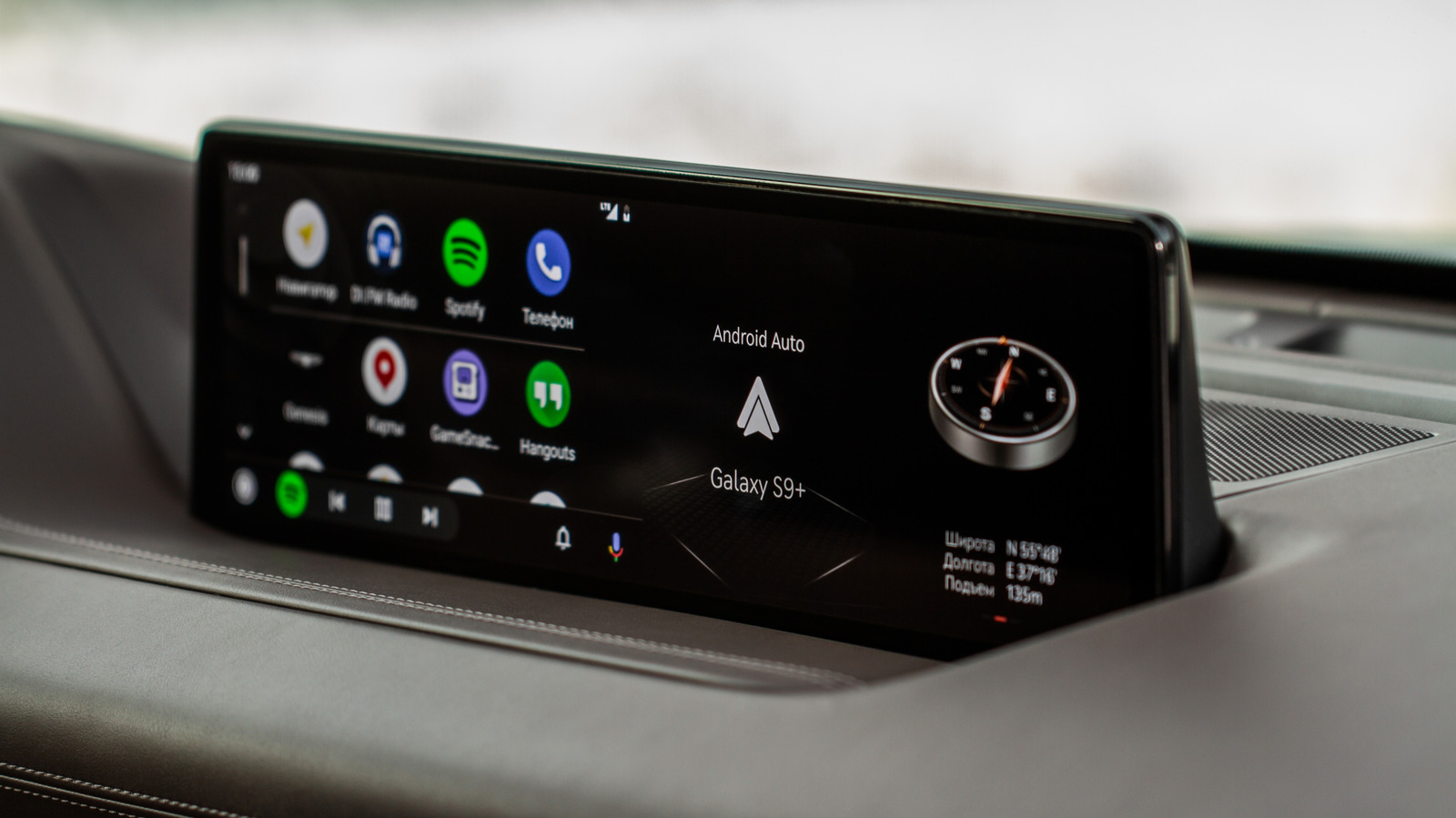
Android Auto vs. CarPlay: Open vs. Controlled Infotainment Ecosystems
A deep dive into Android Auto's flexibility versus Apple CarPlay's curated experience, impacting user choice and OEM strategy
Google's Grip on Android App Distribution Under Fire
US District Judge James Donato gives Google one week to fix its deliberately obscured third-party app store access, highlighting Google's resistance to fair competition

Android 17 QPR2 Beta 3: Pixel Security and Controls Get a Boost
Byte-Pulse examines Android 17 QPR2 Beta 3, focusing on new UI elements, security updates, and user controls for Pixel devices.
The Byte-Pulse Newsroom is the editorial system that produces Byte-Pulse's daily tech news coverage. Each story is cross-referenced across 3+ independent outlets, drafted with AI assistance by the newsroom system (Drafter → Editor → Fact-Checker → Polisher), and reviewed by Serhat Er, Editor-in-Chief, before publication. We disclose AI augmentation openly. Editorial accountability stays with the named editor on every article. Tips: editorial@byte-pulse.net.
Don’t miss these
Proton Mail vs Gmail: Which Email Service Fits Your Digital Life?
Unsure about Proton Mail vs Gmail? We break down security, features, pricing, and daily use so you can confidently pick the email service that aligns with your priorities.
Perplexity Pro vs ChatGPT Plus: Which AI Assistant Fits Your Workflow?
This guide lays out the strengths and approaches of Perplexity Pro and ChatGPT Plus, helping you identify which AI assistant aligns with your specific needs.

Pokémon TCG Movie Signals Strategic Media Pivot for The Pokémon Company
A new Pokémon movie focused on the TCG is coming in 2027, marking a strategic pivot for the franchise as it navigates massive global fan engagement and logistical challenges.

Apple's AI Pivot: Vision Pro Content Cut, Siri Rebuilt Amid Layoffs
Apple's latest layoffs signal a strategic pivot, dialing back high-cost Vision Pro content while re-tooling Siri for the AI era. What's next for Apple?

D23 2026: Disney's Content Deluge Sparks Questions About Strategy
Byte-Pulse cuts through D23 hype: We dissect Disney's ambitious content slate, from Simpsons: Hit & Run to Ahsoka season 2, and question the real-world implications and European market strategy.

eBay's $55.7M Cyberstalking Settlement: A Corporate Culture of Coercion Exposed
Byte-Pulse investigates the eBay cyberstalking case, revealing a disturbing harassment campaign, executive involvement, and the broader implications for corporate ethics.