Microsoft’s 2026 Plan Cuts Windows 11 Update Hassles for Users
The company's new plan means extended update pauses, fewer monthly restarts, and less waiting.

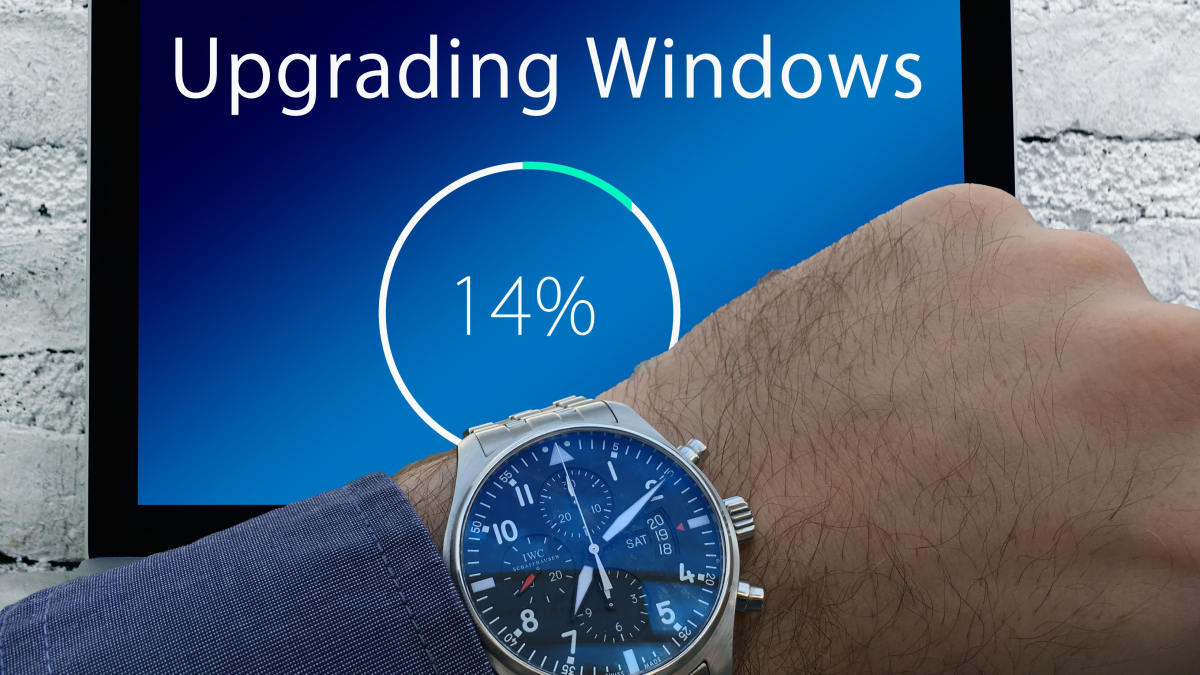
Microsoft Promises Fewer Windows 11 Update Headaches by 2026
Ever sat down at your PC, ready to tackle that pressing deadline, only to be halted by a mandatory Windows update? If you've been there, you're not alone — and Microsoft gets it. The company has laid out plans to significantly revamp Windows 11's update process, aiming for a smoother, more user-friendly experience by 2026. This announcement, detailed in a recent blog post, promises less downtime, fewer headaches, and more user control over the update process.
The Current Update Dilemma
Windows 11 users have long been vocal about the frustrations of its update system. The notorious update screens tend to appear at the most inconvenient times, often leading to unplanned interruptions. Microsoft's new strategy is set to address these pain points directly. Imagine updates that occur seamlessly without requiring constant user intervention. This is what Microsoft is aiming for, by implementing real-time recovery systems that can automatically fix issues without user input. However, this could sometimes mean longer wait times as the system deals with errors in the background.
Contextually, this move comes at a crucial time. The software industry is under increasing pressure to enhance user experiences, especially within the European Union, where consumer protection laws are stringent. The EU's focus on digital policies emphasizes user autonomy and seamless digital experiences, making Microsoft's initiative not only a response to user feedback but also a proactive step in aligning with global standards.
More Control Over Updates
Microsoft's plan includes separating 'Update and shutdown' and 'Update and restart' from the regular power options. This change aims to prevent accidental triggers when a user simply wants to power down their PC. It’s a sensible move, giving users peace of mind and avoiding those surprise updates that turn a quick shutdown into an extended session.
Perhaps the most user-friendly change is the ability to pause updates for up to 35 days. This feature will be particularly welcomed by those who travel frequently, have major presentations, or are in the midst of exams. The ability to delay updates multiple times offers unprecedented flexibility, allowing users to focus on their priorities without the looming threat of a forced restart. This functionality will be integrated into the initial setup, making it easier to manage from day one.
Streamlining the Update Process
One of the more ambitious promises from Microsoft is to consolidate various updates into a single monthly cycle, reducing the need to restart your PC to just once a month. By rolling driver, .Net, and firmware updates into this monthly update cycle, users can expect fewer disruptions to their workflow. This change, if successful, could significantly enhance productivity, minimizing the interruption often associated with multiple, staggered updates.
"There are few things more frustrating than sitting down at your computer only to find it needs an update," Microsoft admits, echoing a sentiment shared by many. This acknowledgment is a step towards rebuilding trust with users who have been disheartened by the current update system.
What's Still Unclear
While Microsoft's announcements are promising, several questions remain unanswered. For instance, the exact timeline for the rollout of these features is still vague. While the goal is set for 2026, users are eager for more specific dates. Additionally, the efficacy of the 'real-time recovery' feature is yet to be seen in action. Will it truly resolve issues on the fly, or will it introduce new complexities? Lastly, how will users truly perceive and adapt to these changes once they are implemented? Only time and extensive user feedback will tell.
What This Means For You
For users, these changes mean a potential reduction in the time spent managing updates and dealing with unexpected system reboots. If Microsoft succeeds, you'll likely experience fewer disruptions and enjoy a more streamlined workflow. These modifications also mean less anxiety about updates interfering with important tasks. For businesses, particularly those operating in fast-paced environments, this could translate to improved productivity and less IT overhead.
In the broader tech landscape, these changes may set new expectations for operating systems, prompting other developers to enhance their user experience. This could lead to a wave of innovation across platforms, ultimately benefiting users worldwide.
The Broader Implications
Microsoft's efforts to refine the update process are not just about fixing a technical issue; they reflect a broader shift towards user-centric computing. As operating systems become increasingly integrated into our daily lives, ensuring they operate with minimal disruption is crucial. Microsoft's willingness to listen to feedback and make substantial changes could set a precedent for other companies in the industry.
In closing, while the road to 2026 may seem long, the potential benefits of a more intuitive update process make it a journey worth undertaking. Microsoft's initiative could redefine user expectations and push the envelope for better digital experiences across the board. As these developments unfold, keeping an eye on user feedback and real-world application will be key in assessing the true impact of these changes.
Discuss this story
Got a take, a correction, or a follow-up tip? Reply where you read — we read everything.
Found an error? File a correction at /corrections. Substantive corrections are logged publicly.
One short email. The most important Software news, fact-checked, no fluff. Free, unsubscribe anytime.
More from Software
Proton VPN vs NordVPN: Which One Earns Your Subscription?
A deep dive into Proton VPN and NordVPN, comparing their privacy, performance, features, and value, helping you make an informed decision.
Notion vs Obsidian: Which Knowledge Hub Fits Your Workflow?
Deciding between Notion and Obsidian? We break down the core differences in philosophy, data ownership, collaboration, and extensibility to help you choose.
Proton Mail vs Gmail: Which Email Service Fits Your Digital Life?
Unsure about Proton Mail vs Gmail? We break down security, features, pricing, and daily use so you can confidently pick the email service that aligns with your priorities.

Apple's Beta Updates: Enhancements, Challenges, and Future Outlook
Exploring the latest beta updates from Apple for tvOS, macOS, and visionOS, including key features and performance issues.
The Byte-Pulse Newsroom is the editorial system that produces Byte-Pulse's daily tech news coverage. Each story is cross-referenced across 3+ independent outlets, drafted with AI assistance by the newsroom system (Drafter → Editor → Fact-Checker → Polisher), and reviewed by Serhat Er, Editor-in-Chief, before publication. We disclose AI augmentation openly. Editorial accountability stays with the named editor on every article. Tips: editorial@byte-pulse.net.
Don’t miss these
OnePlus 14 vs Samsung Galaxy S26: Which Flagship Earns Your Hard-Earned Cash?
Deciding between the OnePlus 14 and Samsung Galaxy S26? This guide cuts through the noise, laying out the facts so you can pick the perfect phone for your priorities.
Perplexity Pro vs ChatGPT Plus: Which AI Assistant Fits Your Workflow?
This guide lays out the strengths and approaches of Perplexity Pro and ChatGPT Plus, helping you identify which AI assistant aligns with your specific needs.

Pokémon TCG Movie Signals Strategic Media Pivot for The Pokémon Company
A new Pokémon movie focused on the TCG is coming in 2027, marking a strategic pivot for the franchise as it navigates massive global fan engagement and logistical challenges.

Apple's AI Pivot: Vision Pro Content Cut, Siri Rebuilt Amid Layoffs
Apple's latest layoffs signal a strategic pivot, dialing back high-cost Vision Pro content while re-tooling Siri for the AI era. What's next for Apple?

D23 2026: Disney's Content Deluge Sparks Questions About Strategy
Byte-Pulse cuts through D23 hype: We dissect Disney's ambitious content slate, from Simpsons: Hit & Run to Ahsoka season 2, and question the real-world implications and European market strategy.
Nothing Phone 4 vs Google Pixel 11: Looking Ahead to the Next Generation
A speculative deep dive into what the Nothing Phone 4 and Google Pixel 11 might bring, offering a balanced look at their likely strengths and trade-offs for future buyers.