FCC Eyes 'The View,' Igniting Free Speech Debate
Is ABC's 'The View' a news show? The FCC wants to know, and critics are already worried about First Amendment rights.

Title: FCC Eyes 'The View,' Igniting Free Speech Debate
---
The Federal Communications Commission, the FCC, wants to know: Is ABC's 'The View' a news show? That's the core question driving a new public inquiry that's already sparking plenty of debate. Its classification matters. A 'bona fide news program' label would shield 'The View' from the equal-time rule. That rule? It forces non-news shows to give equal airtime to opposing political candidates. Big deal, right?
The FCC's Play
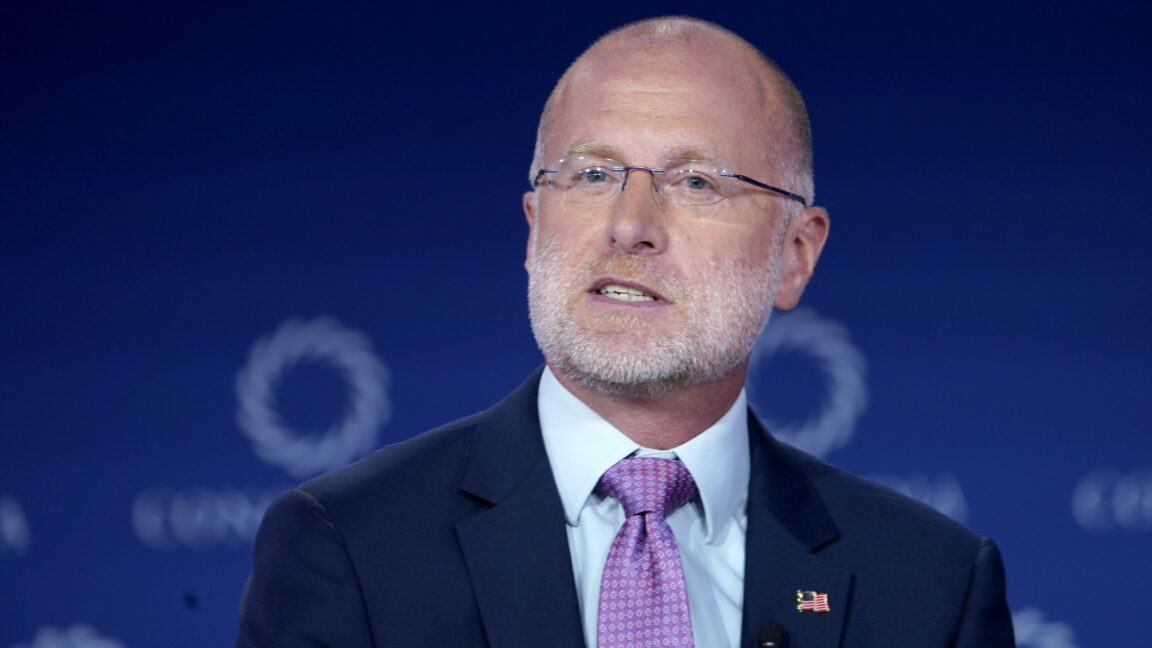
This isn't just some bureaucratic exercise. The FCC's Media Bureau put out a public notice, asking if 'The View' actually meets the 'bona fide news program' criteria. But this push? It's largely coming from FCC Chairman Brendan Carr. He's been pretty vocal. Carr has openly criticized broadcasts he sees as backing former President Trump's political opponents. He's even gone after Disney-owned ABC before, threatening its station licenses, questioning their programming choices. He's not exactly quiet about it.
Brendan Carr's actions haven't come out of nowhere. The FCC, traditionally a regulatory body focused on technical standards and fair competition, finds itself increasingly entangled in debates over content. Carr's critics argue that his focus seems politically motivated, aiming to leverage the FCC's authority to sway how media outlets cover political events and figures. Carr, however, insists that the FCC's role should include ensuring that media companies aren't using public airwaves to push biased political narratives without accountability.
ABC, naturally, wasn't quiet either. Their response? Swift. And pretty robust. The network says the FCC is overreaching. Potentially violating First Amendment-of-the-view-over-free-speech-rights) rights, too. ABC's got history on its side here. They point to a 2002 FCC exemption 'The View' already got. Says the show's format still meets all the legal standards for that exemption. Seems fair.
ABC's defense hinges on that 2002 precedent when the FCC granted 'The View' an exemption, recognizing it as a program that occasionally delves into newsworthy topics despite its primary entertainment format. This exemption has allowed 'The View' to invite political guests and discuss significant issues without the burden of equal-time obligations.
A Look Back
The equal-time rule? It's always been a hot button. Meant to balance political programming, sure. But its application? Pretty inconsistent over the years. We've seen entertainment shows get exemptions before, think Phil Donahue, or even Howard Stern.
Historically, the equal-time rule has been a point of contention since its inception in 1934. Its application is intended to ensure that broadcasters provide fair coverage of political candidates. The rule has faced criticism for being outdated in a media landscape where cable networks and digital platforms dominate.
That 2002 news exemption for 'The View' is huge for ABC's defense. It's a precedent. Basically, it shows that even entertainment programs, if they touch on politics, can sometimes qualify.
However, this isn't just about 'The View.' The implications extend to other talk shows and programs that blend entertainment with political commentary. Shows like 'The Daily Show' or 'Last Week Tonight' often blur the lines between comedy and news, raising questions about their own classifications.
Across the Pond
Okay, so this FCC drama is US-specific. But media regulation? Its implications echo globally. Over in Europe, they're constantly debating media freedom versus regulation too. The EU, for instance, has its own rules for media plurality and broadcast fairness. They're often trying to balance those with strong privacy and expression protections. It's a tricky line everywhere.
In Europe, the regulatory landscape is similarly complex. The European Union’s Audiovisual Media Services Directive (AVMSD) mandates certain standards for broadcast fairness and media plurality, yet it also champions media freedom as a fundamental right. Countries like the UK have their own regulatory bodies, like Ofcom, which ensure that public broadcasts maintain neutrality, though their approaches to enforcement can vary.
What It Means
So, what's this mean for you, the viewer? This review could actually change how you consume media. How you perceive it. Stricter FCC classifications? That could limit what programs get called 'newsworthy.' And that, in turn, could mess with the diversity of viewpoints you see on TV. This decision? It could really set a precedent for how political content on television gets regulated. Worth watching.
For viewers, the stakes are high. If the FCC decides to tighten the criteria for 'bona fide news programs,' you might see fewer shows tackling political issues, fearing the logistical and financial burden of equal-time compliance. This could lead to a homogenization of viewpoints, reducing the diversity of perspectives available to the public.
Still TBD
Plenty of questions still hang in the air. Will the FCC actually change 'The View's' status? What about other shows with similar formats? How might these decisions ripple out, influencing bigger conversations about media freedom and censorship? We just don't know yet.
There is also the question of how new media platforms fit into this regulatory framework. With digital platforms like YouTube and podcasts becoming influential in political discourse, should they be considered under similar rules? Their impact on public opinion is undeniable, yet they operate outside traditional broadcast regulations.
Why It's A Big Deal
Look, the FCC's review of 'The View' isn't just about one talk show. It's a snapshot of a much bigger fight over media regulation, over free speech. This whole thing really highlights the ongoing tensions in media regulation – where political influence bangs right up against public airwaves. How these dynamics play out? It could reshape how media companies do business. How viewers engage with political content on TV. Everything.
The potential repercussions extend beyond television. Media companies must navigate an evolving landscape where regulatory bodies could exert more influence over content. It’s a balance between protecting free speech and ensuring that powerful media platforms do not exploit their reach to promote unbalanced political views. As the lines blur between news and entertainment, the decisions made by regulatory bodies like the FCC could redefine how information is disseminated in an increasingly connected world.
Editor-tracked discounts on the gadgets and gear worth buying right now.
See the deals →Discuss this story
Got a take, a correction, or a follow-up tip? Reply where you read — we read everything.
Found an error? File a correction at /corrections. Substantive corrections are logged publicly.
One short email. The most important Web & Apps news, fact-checked, no fluff. Free, unsubscribe anytime.
More from Web & Apps

D23 2026: Disney's Content Deluge Sparks Questions About Strategy
Byte-Pulse cuts through D23 hype: We dissect Disney's ambitious content slate, from Simpsons: Hit & Run to Ahsoka season 2, and question the real-world implications and European market strategy.

Spotify Relaunches AI Running Mode for iOS Premium Users
Spotify's new Running Mode for iOS uses AI to sync music with your stride, but its success hinges on AI quality and user input

WhatsApp Web Gets Calls: Meta's Cross-Platform Play Begins
WhatsApp Web now supports encrypted calls, screen sharing, and call transfers. We dissect Meta's strategic shift and its implications for users and enterprise adoption in Europe.

Fox's $22 Billion Acquisition of Roku: A New Era in Streaming
Fox's acquisition of Roku for $22 billion marks a pivotal shift in streaming, merging content strength with platform reach.
The Byte-Pulse Newsroom is the editorial system that produces Byte-Pulse's daily tech news coverage. Each story is cross-referenced across 3+ independent outlets, drafted with AI assistance by the newsroom system (Drafter → Editor → Fact-Checker → Polisher), and reviewed by Serhat Er, Editor-in-Chief, before publication. We disclose AI augmentation openly. Editorial accountability stays with the named editor on every article. Tips: editorial@byte-pulse.net.
Don’t miss these
Asus ROG Phone 9 vs Sony Xperia 1 VII: Which Niche Flagship Earns Your Money?
Deciding between the gaming-focused ROG Phone 9 and the creator-centric Xperia 1 VII? This guide breaks down every spec to help you choose.
Proton VPN vs NordVPN: Which One Earns Your Subscription?
A deep dive into Proton VPN and NordVPN, comparing their privacy, performance, features, and value, helping you make an informed decision.
Perplexity Pro vs ChatGPT Plus: Which AI Assistant Fits Your Workflow?
This guide lays out the strengths and approaches of Perplexity Pro and ChatGPT Plus, helping you identify which AI assistant aligns with your specific needs.

Pokémon TCG Movie Signals Strategic Media Pivot for The Pokémon Company
A new Pokémon movie focused on the TCG is coming in 2027, marking a strategic pivot for the franchise as it navigates massive global fan engagement and logistical challenges.

Apple's AI Pivot: Vision Pro Content Cut, Siri Rebuilt Amid Layoffs
Apple's latest layoffs signal a strategic pivot, dialing back high-cost Vision Pro content while re-tooling Siri for the AI era. What's next for Apple?
Honor Magic 8 Pro vs Samsung Galaxy S26 Ultra: Which Future Flagship Fits Your Wallet and Workflow?
Deciding between the anticipated Honor Magic 8 Pro and Samsung Galaxy S26 Ultra? Our deep dive into expected specs and features provides the fair comparison you need.