Google Fixes First-Gen Chromecast Issue After Users Panic
Temporary glitch disrupted casting; Google confirms devices are operational again.

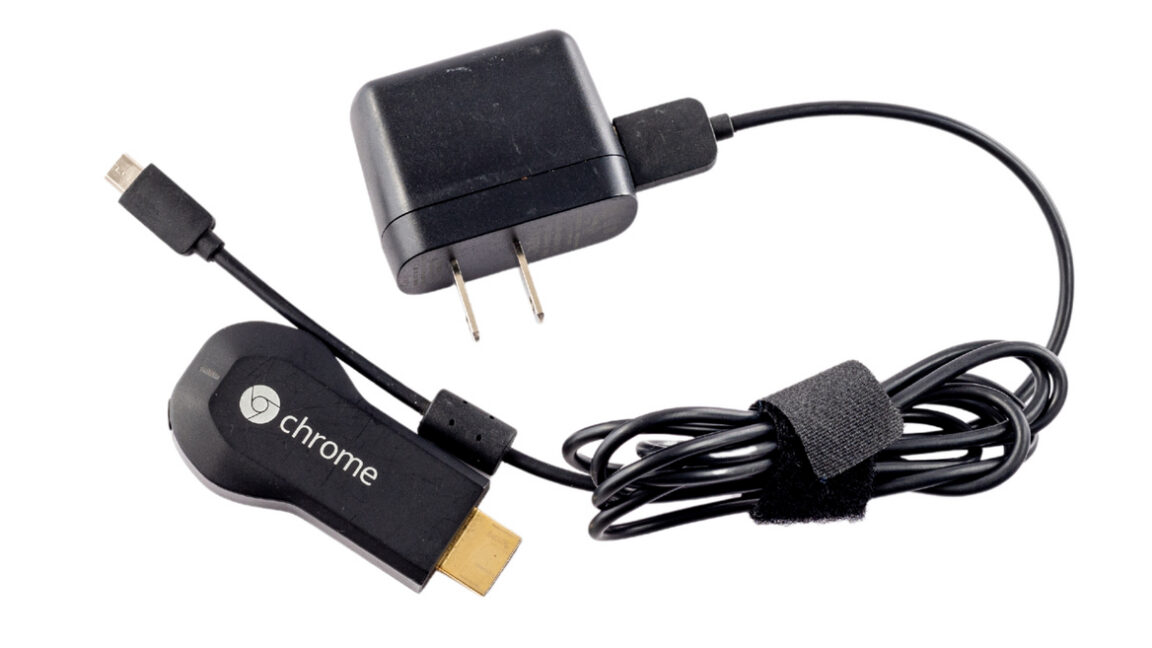
First-gen Chromecast users experienced quite a scare this week when their devices suddenly stopped working. These devices, which arguably revolutionized streaming by transforming any ordinary TV into a smart one, have been immensely popular since their release. By 2014, Google had sold over 10 million of these little gadgets. Despite the official support for the first-generation Chromecast ending in 2023, many people continue to rely on them for their streaming needs. So, when these devices went offline, users understandably panicked.
Reports flooded in from users who found that their Chromecasts wouldn't cast content from any platform—be it Chrome, YouTube, or Paramount+. This sudden malfunction led to speculations about whether Google was deliberately making these devices obsolete to push users towards newer models. However, Sahana Mysore, a senior product manager at Google Home, was quick to address these concerns. She reassured users that the issue was not a case of planned obsolescence but rather a technical glitch. Google promptly identified and resolved the problem, bringing the devices back online.
What Happened?
The outage impacted a significant number of first-gen Chromecast users, leading to widespread confusion and concern. Social media platforms like Reddit became hotspots for users venting their frustrations and seeking answers. This wasn't an isolated incident; multiple users experienced the same problem simultaneously, which only fueled the rumors of intentional obsolescence. The simultaneous failures across various regions and platforms highlighted the interconnected nature of Google's ecosystem and the reliance many still place on these older devices.
Google's Fix
Google has stood by its explanation that this was purely a technical issue. Sahana Mysore stated, "Earlier this week, a technical issue temporarily disrupted casting for some Gen 1 Google Chromecast users. Our team quickly identified the root cause and resolved the issue." User confirmations on forums and social media indicate that the devices are indeed functioning again, suggesting that Google's fix was effective.
The European View
This swift response from Google is particularly significant in Europe, where the adoption of streaming technology varies greatly. Many European households continue to use older technology because of economic reasons or slower adoption rates. The first-gen Chromecast, being both affordable and simple to use, was a popular choice. This incident underscores the importance of reliable service and ongoing support, especially in regions where tech upgrades happen at a slower pace. It’s a reminder of the role these devices play in democratizing access to new technology.
So, What Now?
If you have a first-gen Chromecast, you should be in the clear for now. The devices are back to normal functioning, but it's advisable to stay informed about any future announcements from Google regarding support or updates. This incident might also serve as a timely reminder to evaluate whether it might be time to explore newer models. Newer Chromecast models come with enhanced features and presumably longer support lifespans, which could offer a more seamless streaming experience.
The Unanswered Questions
While Google has resolved the immediate issue, several questions remain unanswered. The exact nature of the "technical glitch" hasn't been disclosed, leaving users curious about what went wrong and whether it could happen again. There's also the broader question of Google's long-term strategy for supporting these older devices. With official support having ended, users are left wondering if this fix is just a temporary reprieve or if they can expect continued functionality.
Why It's a Big Deal
The headline "Google Fixes First-Gen Chromecast Issue After Users Panic" could have been much more alarming if the problem had persisted. This situation highlights the critical role of communication and transparency for tech companies, especially as hardware ages and official support wanes. Users need to feel assured that even as technology advances, their older devices are not being left behind without a fight. Maintaining trust and loyalty hinges on tech giants' ability to manage these transitions smoothly and transparently.
For users, this incident is a reminder of the delicate balance between innovation and obsolescence. As technology evolves, the devices we rely on can become outdated, but that doesn’t negate the expectation for them to continue functioning reliably. Trust in a brand is built on the assurance that support will continue even as new products roll out. This episode with the first-gen Chromecast is a testament to the ongoing challenge of managing that trust while pushing the boundaries of technology.
Editor-tracked discounts on the gadgets and gear worth buying right now.
See the deals →Discuss this story
Got a take, a correction, or a follow-up tip? Reply where you read — we read everything.
Found an error? File a correction at /corrections. Substantive corrections are logged publicly.
One short email. The most important Web & Apps news, fact-checked, no fluff. Free, unsubscribe anytime.
More from Web & Apps

D23 2026: Disney's Content Deluge Sparks Questions About Strategy
Byte-Pulse cuts through D23 hype: We dissect Disney's ambitious content slate, from Simpsons: Hit & Run to Ahsoka season 2, and question the real-world implications and European market strategy.

Spotify Relaunches AI Running Mode for iOS Premium Users
Spotify's new Running Mode for iOS uses AI to sync music with your stride, but its success hinges on AI quality and user input
WhatsApp Web Gets Calls: Meta's Cross-Platform Play Begins
WhatsApp Web now supports encrypted calls, screen sharing, and call transfers. We dissect Meta's strategic shift and its implications for users and enterprise adoption in Europe.
Fox's $22 Billion Acquisition of Roku: A New Era in Streaming
Fox's acquisition of Roku for $22 billion marks a pivotal shift in streaming, merging content strength with platform reach.
The Byte-Pulse Newsroom is the editorial system that produces Byte-Pulse's daily tech news coverage. Each story is cross-referenced across 3+ independent outlets, drafted with AI assistance by the newsroom system (Drafter → Editor → Fact-Checker → Polisher), and reviewed by Serhat Er, Editor-in-Chief, before publication. We disclose AI augmentation openly. Editorial accountability stays with the named editor on every article. Tips: editorial@byte-pulse.net.
Don’t miss these
Asus ROG Phone 9 vs Sony Xperia 1 VII: Which Niche Flagship Earns Your Money?
Deciding between the gaming-focused ROG Phone 9 and the creator-centric Xperia 1 VII? This guide breaks down every spec to help you choose.
Proton VPN vs NordVPN: Which One Earns Your Subscription?
A deep dive into Proton VPN and NordVPN, comparing their privacy, performance, features, and value, helping you make an informed decision.
Perplexity Pro vs ChatGPT Plus: Which AI Assistant Fits Your Workflow?
This guide lays out the strengths and approaches of Perplexity Pro and ChatGPT Plus, helping you identify which AI assistant aligns with your specific needs.

Pokémon TCG Movie Signals Strategic Media Pivot for The Pokémon Company
A new Pokémon movie focused on the TCG is coming in 2027, marking a strategic pivot for the franchise as it navigates massive global fan engagement and logistical challenges.

Apple's AI Pivot: Vision Pro Content Cut, Siri Rebuilt Amid Layoffs
Apple's latest layoffs signal a strategic pivot, dialing back high-cost Vision Pro content while re-tooling Siri for the AI era. What's next for Apple?
Honor Magic 8 Pro vs Samsung Galaxy S26 Ultra: Which Future Flagship Fits Your Wallet and Workflow?
Deciding between the anticipated Honor Magic 8 Pro and Samsung Galaxy S26 Ultra? Our deep dive into expected specs and features provides the fair comparison you need.