Russian Satellites Shadow ICEYE's Radar Eye in Space
Moscow's orbital dance around a key Finnish-American surveillance satellite raises red flags.

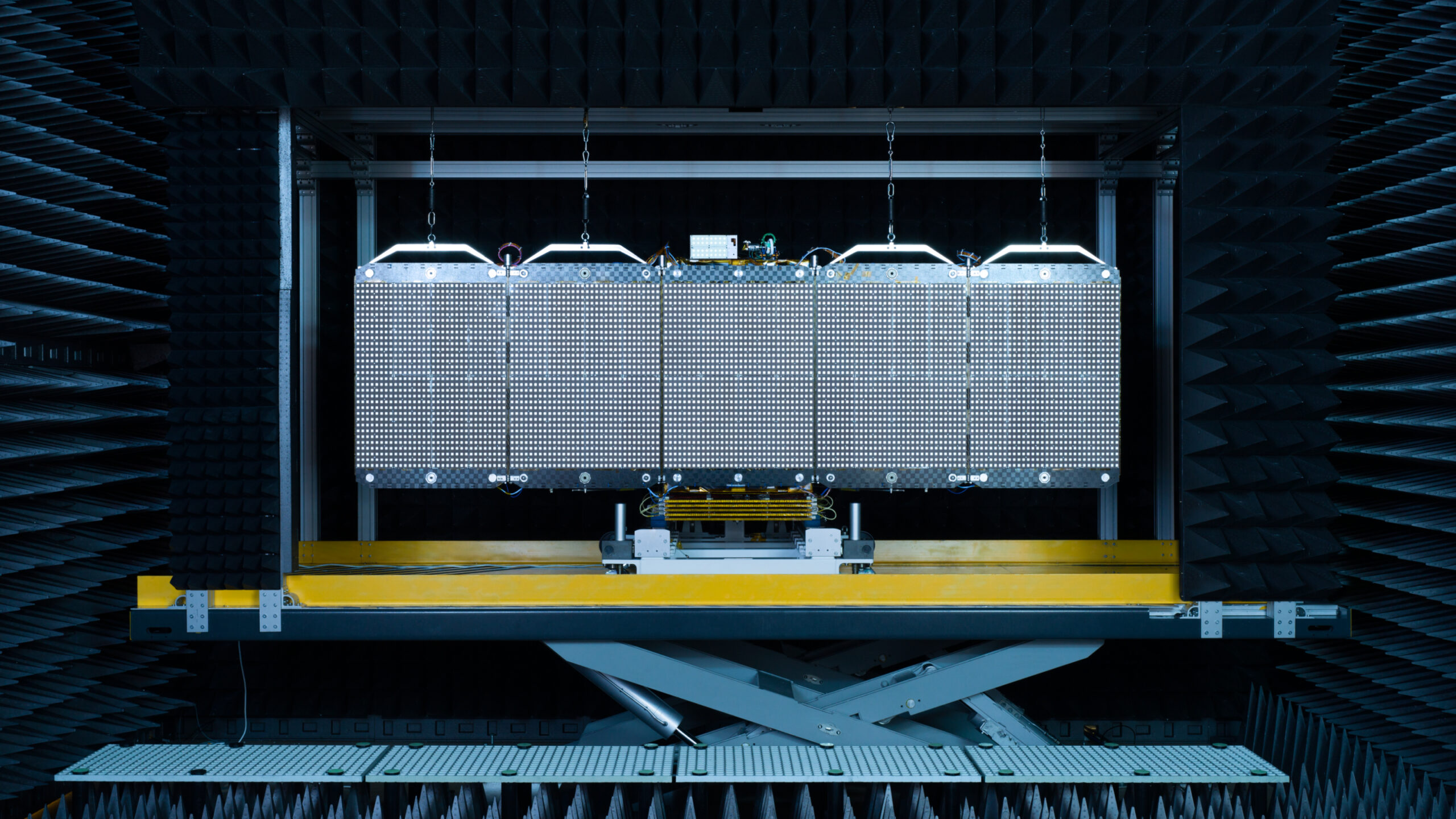
Russian Satellites Shadow ICEYE's Radar Eye in Space
Space. It's the newest front in geopolitical tension. At least four Russian military satellites just changed course. Their target? A radar surveillance satellite operated by Finnish-American firm ICEYE. This isn't happening in a vacuum. Tensions between Russia and Western nations? Especially over Ukraine? They're already sky-high.
Orbital Maneuvers and Their Implications
Open-source tracking data tells us plenty. Russian satellites — Kosmos 2610 through 2613 — tweaked their orbital inclinations. Minor changes, sure. But these aren't cheap moves. They burn a lot of fuel. That suggests a deliberate intent: get close to ICEYE-X36. Why? That specific satellite is key. It's part of a network feeding critical radar imagery to the US military, European governments, and, yes, the Ukrainian military.
How close are they? Pretty close. We're talking 500 meters to 22 kilometers from ICEYE-X36. That kind of proximity? It sets up what's called Rendezvous Proximity Operations, or RPO. That's a tactic. Could be for kinetic targeting. Or non-kinetic. Either way, it's not good.
The Cost of Maneuvering in Orbit
Changing a satellite's orbit isn't just a matter of flipping a switch. Each maneuver requires careful planning and a substantial amount of fuel, which is a finite resource for satellites once they are in space. The expense involved in these maneuvers suggests that the Russian satellites' movements are not just spur-of-the-moment decisions. Rather, they are calculated actions likely intended to achieve a specific strategic objective. Given the costs and the risks involved, it's clear that Russia is placing a high priority on monitoring ICEYE's satellite operations.
Context: Europe's Satellite Surveillance
ICEYE's radar imaging satellites? They're a big deal. They offer all-weather, day-and-night surveillance. Their partnership with Ukraine is especially important, actually. It beefs up Ukraine's defenses with solid space-based intelligence. This whole incident just highlights how strategically vital satellite tech is in today's conflicts. Especially in Europe, where ICEYE's imagery is crucial.
ICEYE's Role in Modern Warfare
ICEYE's satellites operate using synthetic aperture radar (SAR) technology, which provides high-resolution images regardless of weather conditions or time of day. This capability is invaluable in military applications, allowing users to monitor troop movements, assess damage, and gather real-time intelligence. For Ukraine, having access to such detailed imagery strengthens its defense capabilities against potential threats.
What This Means for You
So what does this mean for you? If you're tracking satellite surveillance or geopolitical tensions, Russia's move is a big one. It exposes vulnerabilities in the satellite networks feeding intel and imagery to Western allies. And if you're in tech or defense? This could mean a sharper focus on satellite security. Plus, maybe more global tensions in space. It's a sign.
The Implications for Global Security
For individuals working in defense or technology sectors, this development underscores the necessity of advancing satellite security measures. As satellites become more integral to military and civilian infrastructures, ensuring their protection from interference or sabotage will be paramount. Moreover, as global reliance on satellite data increases, so too does the potential for space to become a contested domain, where geopolitical rivalries play out.
What's Still Unclear
Plenty we don't know yet. What can these Russian satellites actually do? Are they part of some anti-satellite weapons program? Or is this just posturing, a show of force? ICEYE hasn't said anything officially either. So, their take on the situation? Still a mystery.
The Unknown Capabilities of Russian Satellites
The capabilities of the Russian satellites in question remain largely speculative. While they may be equipped with technology to gather detailed intelligence or even disable other satellites, the specifics are not publicly known. This lack of clarity only adds to the tension, as the potential for these satellites to engage in hostile actions cannot be fully discounted. It leaves room for concern about what might happen if tensions escalate further.
Why This Matters
Russian Satellites' Proximity to ICEYE-X36 Signals Potential Escalation
Russia's deliberate maneuver? Getting its satellites into co-planar orbits with ICEYE-X36. That's huge for space geopolitics. It raises serious questions about the safety of crucial surveillance assets. And it could easily ratchet up tensions between Russia and Western nations caught up in the Ukraine conflict.
The Broader Impact on Space Geopolitics
The close approach of Russian satellites to ICEYE-X36 is a stark reminder of the fragile nature of peace in space. As more countries develop and deploy satellites with military capabilities, the risk of conflict in this domain increases. This incident serves as a wake-up call for international cooperation and regulation in space, as the current lack of comprehensive treaties governing satellite interactions leaves much to be desired.
In the current geopolitical climate, the need for updated space laws and agreements is more pressing than ever. Ensuring the peaceful use of outer space will require collaboration among nations to prevent any one country from gaining undue advantage or threatening the assets of others. As space becomes an ever more critical arena for national security, the stakes will only continue to rise.
Discuss this story
Got a take, a correction, or a follow-up tip? Reply where you read — we read everything.
Found an error? File a correction at /corrections. Substantive corrections are logged publicly.
One short email. The most important Science news, fact-checked, no fluff. Free, unsubscribe anytime.
More from Science
Quantum Computing Explained for Developers: A 2026 Update
Explore quantum computing fundamentals, hardware, and how it impacts software development in this comprehensive guide for developers.
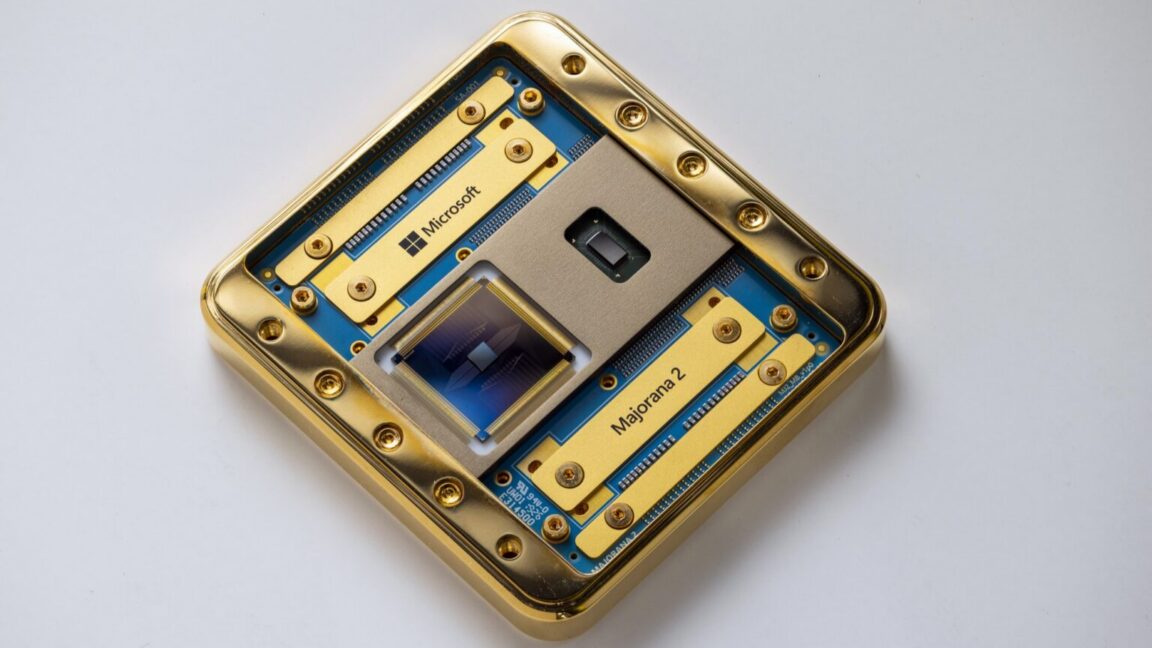
Quantum Computing Advances: Key Updates from Microsoft, Atom, and EeroQ
Microsoft, Atom Computing, and EeroQ share key updates in their quantum computing efforts, marking steady progress toward practical applications.

Star City Explores the Human Cost Behind the Soviet Space Program
Forget Mars colonies. Star City, the new spin-off from For All Mankind, dives deep into the gritty, dangerous, and often ethically complex world of the Soviet space program in the late 1960s.
A Gritty, High-Stakes Drama: Exploring the Soviet Space Program in Star City
Explore the untold story of the Soviet space program in Star City, a new Apple TV+ series that swaps the familiar American perspective for a gritty, high-stakes drama centered on its visionary, yet constrained, leadership.
The Byte-Pulse Newsroom is the editorial system that produces Byte-Pulse's daily tech news coverage. Each story is cross-referenced across 3+ independent outlets, drafted with AI assistance by the newsroom system (Drafter → Editor → Fact-Checker → Polisher), and reviewed by Serhat Er, Editor-in-Chief, before publication. We disclose AI augmentation openly. Editorial accountability stays with the named editor on every article. Tips: editorial@byte-pulse.net.
Don’t miss these
Asus ROG Phone 9 vs Sony Xperia 1 VII: Which Niche Flagship Earns Your Money?
Deciding between the gaming-focused ROG Phone 9 and the creator-centric Xperia 1 VII? This guide breaks down every spec to help you choose.
Proton VPN vs NordVPN: Which One Earns Your Subscription?
A deep dive into Proton VPN and NordVPN, comparing their privacy, performance, features, and value, helping you make an informed decision.
Perplexity Pro vs ChatGPT Plus: Which AI Assistant Fits Your Workflow?
This guide lays out the strengths and approaches of Perplexity Pro and ChatGPT Plus, helping you identify which AI assistant aligns with your specific needs.

Pokémon TCG Movie Signals Strategic Media Pivot for The Pokémon Company
A new Pokémon movie focused on the TCG is coming in 2027, marking a strategic pivot for the franchise as it navigates massive global fan engagement and logistical challenges.

Apple's AI Pivot: Vision Pro Content Cut, Siri Rebuilt Amid Layoffs
Apple's latest layoffs signal a strategic pivot, dialing back high-cost Vision Pro content while re-tooling Siri for the AI era. What's next for Apple?
Honor Magic 8 Pro vs Samsung Galaxy S26 Ultra: Which Future Flagship Fits Your Wallet and Workflow?
Deciding between the anticipated Honor Magic 8 Pro and Samsung Galaxy S26 Ultra? Our deep dive into expected specs and features provides the fair comparison you need.