Flexible Work is Failing Most Companies, Study Finds
Chaos, disengagement reign as many organizations fumble with hybrid models.


The Flexible Work Fiasco
A new longitudinal study, led by Professor Heike Bruch from the University of St. Gallen, just dropped a bombshell. It points to a big problem in modern workplaces: most companies are actually pretty bad at making flexible work models, well, work. The research even calls a huge chunk of the workforce "modern overwhelmed." That's a nice way of saying many organizations are kinda fumbling the ball on this whole flexibility thing.
The Usual Suspects
Bruch says it's simple: no clear rules, plenty of confusion. One-size-fits-all policies for every team? They just breed chaos, not better output. Only 13% of companies, she found, are what you'd call "successful pioneers." They're the ones actually making modern flexibility pay off, combining it with real economic success.
What'd they find?
- Communication? Agreements? Pretty sparse.
- Flexibility often gets totally misunderstood, creating more headaches than solutions.
- Few companies are actually getting it right.
Checking Out: A Generational Problem
There's also a worrying trend: employees are checking out emotionally. Especially Gen Z and Baby Boomers, it turns out. They just don't identify with their employers anymore. Motivation? Down. And frankly, Millennials aren't exactly picking up all the slack. It's what we call "Quiet Quitting," folks. Just doing the absolute minimum, then clocking out.
The Hybrid Hope? Or Hype?
So, what's the knee-jerk reaction? Some companies are trying to force everyone back to the office. Thinking that'll magically fix the motivation problem. But Bruch says that's a mistake. It often just mixes the worst parts of remote and in-office setups. More frustration, less getting done. Her solution? A smarter hybrid model. One where each team decides how to get their work done, together.
"Forcing employees back to the office without structure often results in frustration and inefficiency," Bruch notes.
Europe's Experience
Over in Europe, flexible work has been a huge deal. Especially since the EU Work-Life Balance Directive came along. That directive pushes for flexible setups. But this study says a lot of organizations are still pretty bad at actually making them work. The European tech industry, with its reputation for innovation, might actually show the way. How to balance flexibility and getting stuff done.
What's This Mean For You?
So, what's this mean for you, the employee? Talk to your team. Talk to your boss. Figure out what works. For companies? Ditch the blanket rules. Tailored solutions are the only way. Maybe push for, or put in place, a structured hybrid model. One that actually fits your team's specific needs.
Still So Many Questions
Still, plenty of questions remain. How do different industries, different sized companies, really customize these models? We don't know yet. And the long-term effects on employee satisfaction and productivity? We're still exploring those.
Why It Matters, Plain and Simple
Bruch's take: "Effective flexible work models can boost productivity and employee satisfaction." Her study really hammers home the need for structure. Can't just wing it. Companies globally are still adapting. But the ones with clear communication and smart, tailored flexibility? They're the ones who'll probably win.
Editor-tracked discounts on the gadgets and gear worth buying right now.
See the deals →Discuss this story
Got a take, a correction, or a follow-up tip? Reply where you read — we read everything.
Found an error? File a correction at /corrections. Substantive corrections are logged publicly.
One short email. The most important Web & Apps news, fact-checked, no fluff. Free, unsubscribe anytime.
More from Web & Apps

D23 2026: Disney's Content Deluge Sparks Questions About Strategy
Byte-Pulse cuts through D23 hype: We dissect Disney's ambitious content slate, from Simpsons: Hit & Run to Ahsoka season 2, and question the real-world implications and European market strategy.

Spotify Relaunches AI Running Mode for iOS Premium Users
Spotify's new Running Mode for iOS uses AI to sync music with your stride, but its success hinges on AI quality and user input
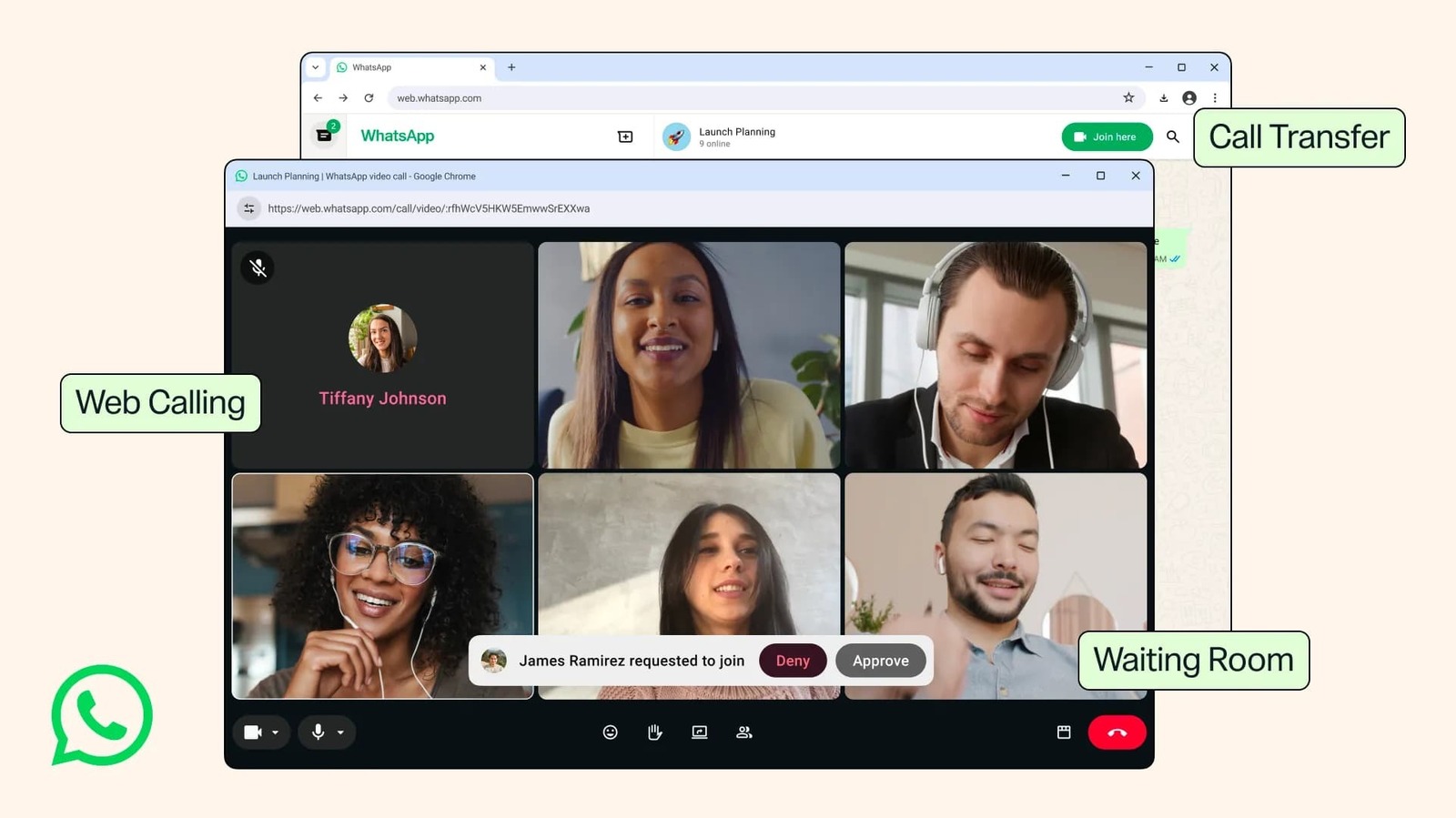
WhatsApp Web Gets Calls: Meta's Cross-Platform Play Begins
WhatsApp Web now supports encrypted calls, screen sharing, and call transfers. We dissect Meta's strategic shift and its implications for users and enterprise adoption in Europe.
Fox's $22 Billion Acquisition of Roku: A New Era in Streaming
Fox's acquisition of Roku for $22 billion marks a pivotal shift in streaming, merging content strength with platform reach.
The Byte-Pulse Newsroom is the editorial system that produces Byte-Pulse's daily tech news coverage. Each story is cross-referenced across 3+ independent outlets, drafted with AI assistance by the newsroom system (Drafter → Editor → Fact-Checker → Polisher), and reviewed by Serhat Er, Editor-in-Chief, before publication. We disclose AI augmentation openly. Editorial accountability stays with the named editor on every article. Tips: editorial@byte-pulse.net.
Don’t miss these
Honor Magic 8 Pro vs Samsung Galaxy S26 Ultra: Which Future Flagship Fits Your Wallet and Workflow?
Deciding between the anticipated Honor Magic 8 Pro and Samsung Galaxy S26 Ultra? Our deep dive into expected specs and features provides the fair comparison you need.
Proton VPN vs NordVPN: Which One Earns Your Subscription?
A deep dive into Proton VPN and NordVPN, comparing their privacy, performance, features, and value, helping you make an informed decision.
Perplexity Pro vs ChatGPT Plus: Which AI Assistant Fits Your Workflow?
This guide lays out the strengths and approaches of Perplexity Pro and ChatGPT Plus, helping you identify which AI assistant aligns with your specific needs.

Pokémon TCG Movie Signals Strategic Media Pivot for The Pokémon Company
A new Pokémon movie focused on the TCG is coming in 2027, marking a strategic pivot for the franchise as it navigates massive global fan engagement and logistical challenges.

Apple's AI Pivot: Vision Pro Content Cut, Siri Rebuilt Amid Layoffs
Apple's latest layoffs signal a strategic pivot, dialing back high-cost Vision Pro content while re-tooling Siri for the AI era. What's next for Apple?
Xiaomi 16 Pro vs iPhone 18 Pro: Which Flagship Fits Your World?
Deciding between the Xiaomi 16 Pro and iPhone 18 Pro? We break down every spec and trade-off, so you can make the choice that's right for you.