German Mobile Speeds Far Below Promised 245 Mbit/s
Users in Germany get only 31% of advertised mobile internet speeds on average.

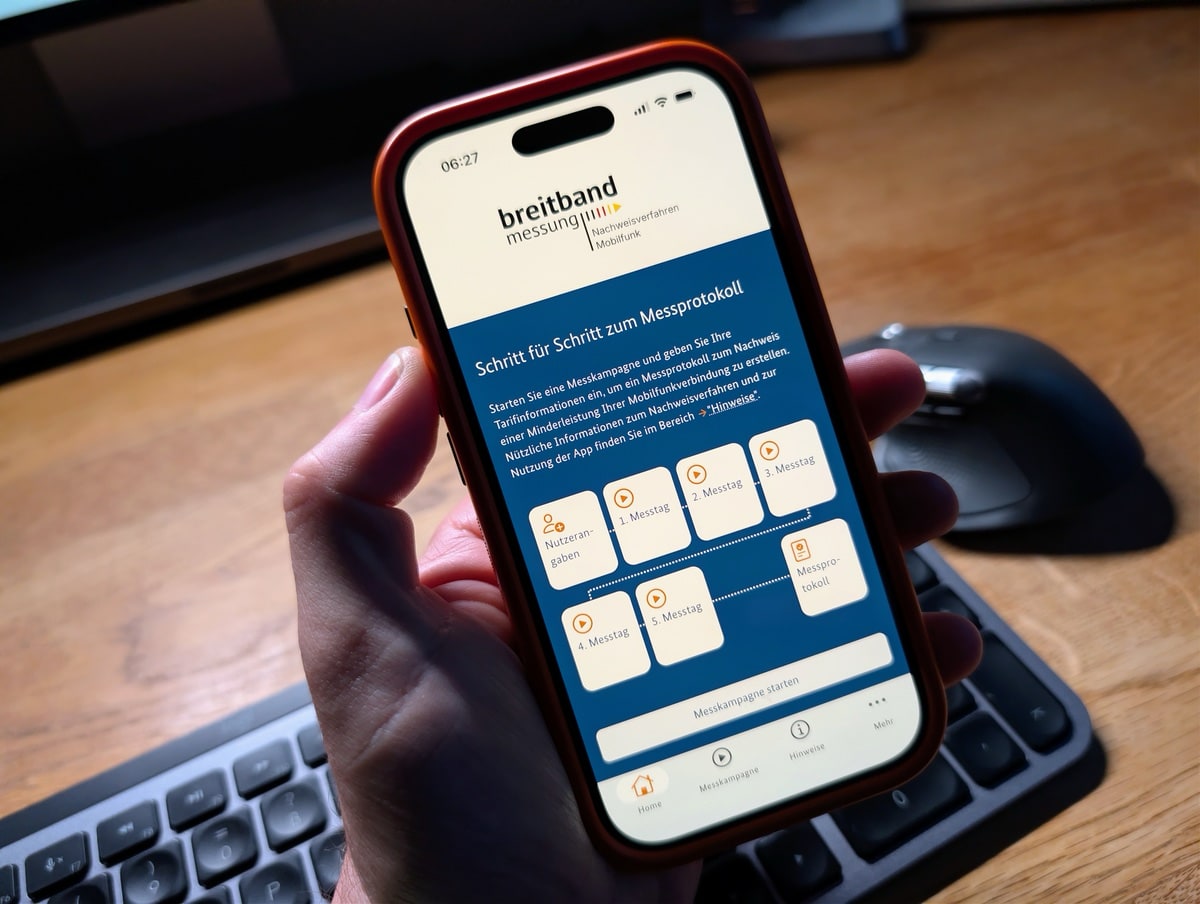
Forget what your German mobile provider promises. Users here are stuck in a frustrating gap: advertised speeds versus what they actually get. A recent Verivox analysis lays it out. Providers tout 245 Mbit/s on average. But users? They're pulling down just 75 Mbit/s. That's a mere 31%. Even 'optimistic' studies only hit around 100 Mbit/s. Still way short, isn't it?
The Issue with "Up to" Speeds
It all comes down to that pesky 'up to' clause. Providers love it. Because 'up to' rarely translates to real-world conditions. Your actual speed? It depends on everything: cell tower proximity, how many others are online, even your phone's model. Sure, there are new rules letting you demand speed reductions. But let's be honest, they're mostly symbolic. Cities only require 25% of promised speed. Rural areas? A paltry 10%. Seriously.
Discounter vs. Major Providers
Here's an interesting twist: budget providers. They usually offer around 50 Mbit/s. And they haven't inflated those claims, even though they're on 5G too. Their lower prices make 'em a pretty attractive alternative. Especially when those 'high speeds' from the big guys rarely materialize. Major providers, though? They're using those same lofty claims to slap on higher subscription costs. Justifying it, they say.
Emerging Tiered Plans
What's emerging? Tiered plans. Speed-based. They're becoming common as providers try to cater to different needs. Want to save a buck? Plans around 5 or 15 Mbit/s might be fine for basic stuff. But if you're pushing serious data, or streaming 4K? You'll pay more. A lot more. And guess what? You still might not get those full advertised speeds.
So, yeah, this gap between advertised and actual speeds? It's a real problem for German consumers.
Context: European Mobile Market
Germany isn't alone here. Far from it. This discrepancy? It's a common complaint for mobile users across Europe. The EU's been pushing for more transparency, better consumer protections. But honestly, change is slow. Glacially slow.
What this Means for You
So, what's this mean for you, the user in Germany? Expect speeds lower than advertised. Period. High speed not your priority? Maybe look at budget providers. If you're a streamer, a heavy data user? You'll likely pay more. Just know those plans still might not deliver the full speeds. It's a gamble.
What's Still Unclear
What's still up in the air? How effective these new regulations will actually be. Will they truly enforce speed guarantees? We don't know yet. And the long-term impact on consumer choices, provider strategies? That's also TBD.
Why this Matters
Why does any of this matter? Because German mobile users are facing a stark gap. Expectation versus reality. Providers throw out these lofty promises. But the actual experience? It clashes. Hard. That erodes consumer trust. Kills satisfaction. We need more transparency. More realistic advertising. It's about protecting the consumer, plain and simple.
Cases, chargers and AirPods alternatives the editors actually use.
Shop mobile gear →Discuss this story
Got a take, a correction, or a follow-up tip? Reply where you read — we read everything.
Found an error? File a correction at /corrections. Substantive corrections are logged publicly.
One short email. The most important Mobile news, fact-checked, no fluff. Free, unsubscribe anytime.
More from Mobile
Honor Magic 8 Pro vs Samsung Galaxy S26 Ultra: Which Future Flagship Fits Your Wallet and Workflow?
Deciding between the anticipated Honor Magic 8 Pro and Samsung Galaxy S26 Ultra? Our deep dive into expected specs and features provides the fair comparison you need.
Xiaomi 16 Pro vs iPhone 18 Pro: Which Flagship Fits Your World?
Deciding between the Xiaomi 16 Pro and iPhone 18 Pro? We break down every spec and trade-off, so you can make the choice that's right for you.
Motorola Edge 60 Ultra vs OnePlus 13: Which Android Flagship Fits Your Priorities?
Motorola Edge 60 Ultra and OnePlus 13 both aim for top-tier Android. We cut through the marketing to reveal the true differences, helping you choose.
Sony Xperia 1 VII vs iPhone 18 Pro: Which Flagship Fits Your Creative Flow?
Deciding between Sony's creator-centric Xperia 1 VII and Apple's powerful iPhone 18 Pro? We break down every spec and feature, neutrally.
The Byte-Pulse Newsroom is the editorial system that produces Byte-Pulse's daily tech news coverage. Each story is cross-referenced across 3+ independent outlets, drafted with AI assistance by the newsroom system (Drafter → Editor → Fact-Checker → Polisher), and reviewed by Serhat Er, Editor-in-Chief, before publication. We disclose AI augmentation openly. Editorial accountability stays with the named editor on every article. Tips: editorial@byte-pulse.net.
Don’t miss these
Proton VPN vs NordVPN: Which One Earns Your Subscription?
A deep dive into Proton VPN and NordVPN, comparing their privacy, performance, features, and value, helping you make an informed decision.
Perplexity Pro vs ChatGPT Plus: Which AI Assistant Fits Your Workflow?
This guide lays out the strengths and approaches of Perplexity Pro and ChatGPT Plus, helping you identify which AI assistant aligns with your specific needs.

Pokémon TCG Movie Signals Strategic Media Pivot for The Pokémon Company
A new Pokémon movie focused on the TCG is coming in 2027, marking a strategic pivot for the franchise as it navigates massive global fan engagement and logistical challenges.

Apple's AI Pivot: Vision Pro Content Cut, Siri Rebuilt Amid Layoffs
Apple's latest layoffs signal a strategic pivot, dialing back high-cost Vision Pro content while re-tooling Siri for the AI era. What's next for Apple?

D23 2026: Disney's Content Deluge Sparks Questions About Strategy
Byte-Pulse cuts through D23 hype: We dissect Disney's ambitious content slate, from Simpsons: Hit & Run to Ahsoka season 2, and question the real-world implications and European market strategy.
Notion vs Obsidian: Which Knowledge Hub Fits Your Workflow?
Deciding between Notion and Obsidian? We break down the core differences in philosophy, data ownership, collaboration, and extensibility to help you choose.