Google Gemini AI Powers Up Smart Home Devices
New reference designs mean Gemini AI will power smart speakers and cameras.

Title: Google Pushes Gemini AI Deeper Into Smart Homes
Body:
Google's Gemini AI is making moves. It's been quietly integrating into your phone, your watch, and now, it's poised to dive deeper into the realm of smart home devices. This transition could fundamentally change our interactions with our living spaces, bringing a new level of intelligence and convenience.
Gemini's Growing Presence
Since its introduction, Gemini has become a key component of Google's AI strategy. In the past year alone, Google has embedded this AI brain into everything from smartphones and smartwatches to tablets and even vehicles. Now, the tech giant is setting its sights on smart homes. By providing 'Gemini built in' reference designs, Google is equipping third-party manufacturers with the tools to integrate Gemini AI into new smart speakers and cameras, potentially revolutionizing these devices with enhanced capabilities.
Reference Designs for Smart Speakers
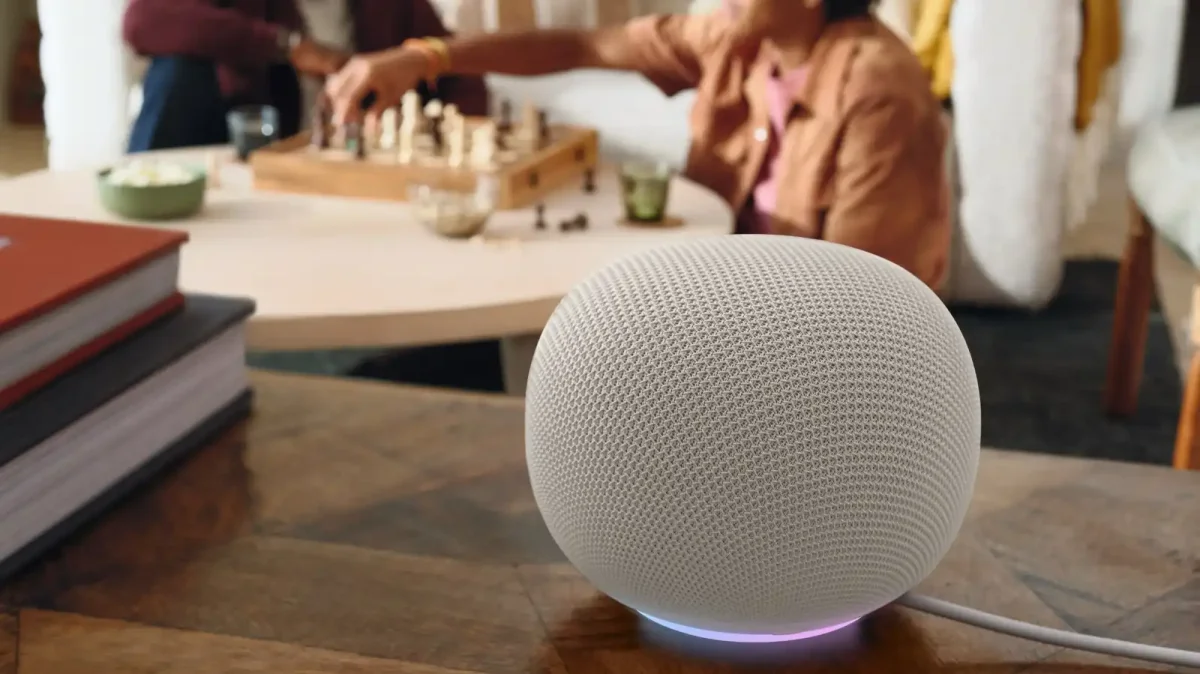
Smart speakers are the starting point for this expansion. Google's reference design for these devices includes advanced Gemini-powered voice control. Envision these speakers as central command hubs for your home, capable of executing a wide range of tasks through natural language processing. With features like 'Ask Home,' users can inquire about anything within their household ecosystem. Whether it's checking the status of a smart lock or adjusting the thermostat, the interaction is seamless and intuitive. Additionally, 'Home Brief' offers users daily summaries of sensor and video data, helping them stay informed about their home's environment and activity.
These reference designs are significant because they could drastically accelerate the time it takes to bring Gemini-powered smart speakers to market. By providing a ready-made framework, manufacturers can focus on innovation rather than starting from scratch, speeding up the deployment of these advanced devices.
Expanding to Smart Cameras
The expansion doesn't stop with speakers. Google has also developed a reference design for smart cameras, complete with system-on-chips (SoCs), sensors, microphones, and more. Partners such as Amlogic, SEI Robotics, and Apical are already leveraging these designs. This collaboration means that these companies can bypass extensive development phases, resulting in faster production of Gemini-compatible cameras. These new cameras promise enhanced features, such as improved motion detection and real-time alerts, powered by sophisticated AI algorithms.
Industry Collaborations
Google's efforts aren't limited to hardware alone. They're also collaborating with telecom and internet service providers to integrate Gemini AI into various applications. AT&T is one of the early adopters, incorporating Gemini into their 'Connected Life' app. This integration enhances their security services, providing users with smarter home security solutions, such as AI-driven surveillance and automated threat detection.
Context: European Perspective
In Europe, the smart home market is already on an upward trajectory, with consumers increasingly demanding AI capabilities. Google's aggressive push with Gemini could significantly influence European manufacturers and developers, creating a ripple effect across the EU tech landscape. The European market's appetite for innovation means that Google's AI advancements could quickly become standard features in smart home devices across the continent.
What This Means for You
So, what does this mean for the everyday consumer? In essence, it heralds a future where our homes are not just connected but intelligent. Devices boasting the 'Gemini built in' label promise to simplify home automation, offering more intuitive interactions and smarter solutions. Whether you're considering upgrading your current setup or entering the smart home space for the first time, these AI-enhanced devices could be a significant draw.
For instance, imagine waking up to a house that adjusts the lighting based on the weather forecast, plays your favorite morning playlist, and preps your coffee—all initiated by a simple voice command or automated schedule. The integration of Gemini AI could make these scenarios commonplace, enhancing convenience and efficiency in daily routines.
What's Still Unclear
Despite the promising outlook, several uncertainties remain. The speed at which manufacturers will adopt these new designs is one. While Google's reference designs provide a head start, the willingness and capacity of manufacturers to integrate them into their production lines remain to be seen. Additionally, consumer reception is another unknown. Will users embrace these AI-driven devices, or will privacy concerns and compatibility issues with existing setups hinder adoption?
There's also the question of interoperability. How well will these new Gemini-powered devices integrate with existing smart home ecosystems? If you've already invested in a particular brand or system, you'll want to know if these new devices will play nicely with your current setup.
Why This Matters
The integration of Gemini into smart home devices is more than just an incremental upgrade; it's a step toward redefining how we interact with technology in our personal spaces. By making these reference designs available, Google is lowering the barrier for AI adoption, paving the way for smarter, more efficient homes. The potential for increased automation and personalized experiences is vast, promising to make our homes not just more connected, but genuinely intelligent.
As this technology continues to develop, it will be interesting to see how it reshapes daily life. Will we see a future where AI-driven home ecosystems become the norm? As Google pushes Gemini deeper into our homes, we're on the cusp of finding out.
Discuss this story
Got a take, a correction, or a follow-up tip? Reply where you read — we read everything.
Found an error? File a correction at /corrections. Substantive corrections are logged publicly.
One short email. The most important AI news, fact-checked, no fluff. Free, unsubscribe anytime.
More from AI
Perplexity Pro vs ChatGPT Plus: Which AI Assistant Fits Your Workflow?
This guide lays out the strengths and approaches of Perplexity Pro and ChatGPT Plus, helping you identify which AI assistant aligns with your specific needs.
Claude Pro vs Google Gemini Advanced: Which AI Assistant Deserves Your Subscription?
This definitive guide cuts through the marketing to give you a fair, balanced breakdown of Claude Pro and Gemini Advanced, letting you decide which AI best fits your workflow.
Claude Pro vs Google Gemini Advanced: Which AI Actually Earns Your Subscription?
Byte-Pulse lays out the real trade-offs between Claude Pro and Google Gemini Advanced, helping you pick the AI that fits your workflow, without picking for you.
ChatGPT Plus vs Google Gemini Advanced: Which AI Assistant Fits Your Workflow?
Deciding between ChatGPT Plus and Google Gemini Advanced? We break down the models, features, integrations, and pricing to help you align your choice with your specific priorities.
The Byte-Pulse Newsroom is the editorial system that produces Byte-Pulse's daily tech news coverage. Each story is cross-referenced across 3+ independent outlets, drafted with AI assistance by the newsroom system (Drafter → Editor → Fact-Checker → Polisher), and reviewed by Serhat Er, Editor-in-Chief, before publication. We disclose AI augmentation openly. Editorial accountability stays with the named editor on every article. Tips: editorial@byte-pulse.net.
Don’t miss these
Asus ROG Phone 9 vs Sony Xperia 1 VII: Which Niche Flagship Earns Your Money?
Deciding between the gaming-focused ROG Phone 9 and the creator-centric Xperia 1 VII? This guide breaks down every spec to help you choose.
Proton VPN vs NordVPN: Which One Earns Your Subscription?
A deep dive into Proton VPN and NordVPN, comparing their privacy, performance, features, and value, helping you make an informed decision.

Pokémon TCG Movie Signals Strategic Media Pivot for The Pokémon Company
A new Pokémon movie focused on the TCG is coming in 2027, marking a strategic pivot for the franchise as it navigates massive global fan engagement and logistical challenges.

Apple's AI Pivot: Vision Pro Content Cut, Siri Rebuilt Amid Layoffs
Apple's latest layoffs signal a strategic pivot, dialing back high-cost Vision Pro content while re-tooling Siri for the AI era. What's next for Apple?

D23 2026: Disney's Content Deluge Sparks Questions About Strategy
Byte-Pulse cuts through D23 hype: We dissect Disney's ambitious content slate, from Simpsons: Hit & Run to Ahsoka season 2, and question the real-world implications and European market strategy.
Honor Magic 8 Pro vs Samsung Galaxy S26 Ultra: Which Future Flagship Fits Your Wallet and Workflow?
Deciding between the anticipated Honor Magic 8 Pro and Samsung Galaxy S26 Ultra? Our deep dive into expected specs and features provides the fair comparison you need.