Homey Pro Hikes Prices by €50 Due to Component Costs
Smart home hub prices rise in June as part costs surge.

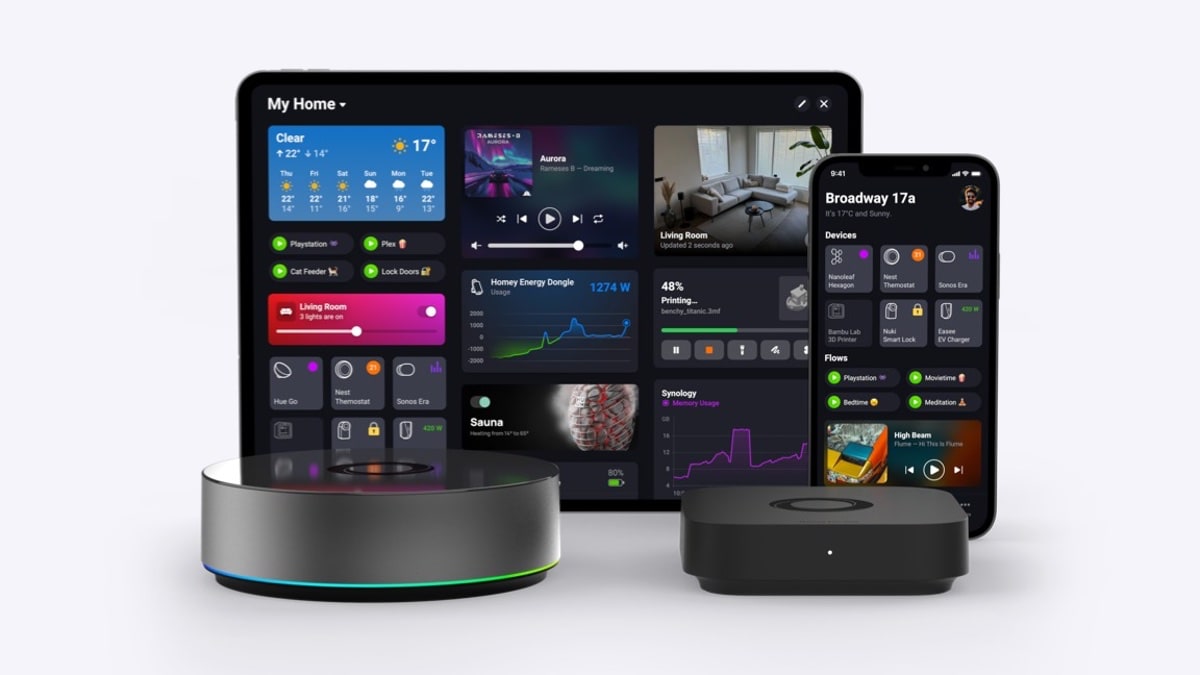
Homey Pro Hikes Prices by €50 Due to Component Costs
Thinking about a Homey Pro? If you’re planning on upgrading your smart home setup, you might want to act quickly. Athom, the company behind the popular Homey Pro smart home hubs, has announced a price increase that will take effect on June 1, 2026.
The Reason Behind the Price Hike
Why the sudden increase? The simple answer is the rising costs of key components. Specifically, essential parts such as RAM and eMMC storage have seen significant price hikes from suppliers, including Raspberry Pi, a primary supplier for these components. The escalating cost of these components is a common issue affecting many tech companies, and unfortunately, it looks like more increases could be on the horizon.
Starting June 1, 2026, the price of the Homey Pro will rise from €399 to €449 in Europe, and from $399 to $449 in the United States. The smaller version, the Homey Pro mini, is also seeing a price increase, jumping from €249 to €279 in Europe, and from $199 to $249 stateside.
What Stays the Same?
There is some good news for consumers: not all products are affected by this price hike. The Homey Bridge, Energy Dongle, and cloud subscriptions will remain at their current prices. This is because these products rely on different hardware and thus aren't directly impacted by the same component cost increases.
Athom has stated that these hikes do not fully cover the increased costs they are facing, as retailer margins and VAT also eat into their profits. Therefore, if you’re eyeing a Homey Pro at its current price, you should act before June 1. However, this is contingent on the availability of existing stock, as once it's depleted, the new prices will automatically take effect at checkout.
Rising Component Costs
The increase in component costs is a pain point for many in the tech industry. As Raspberry Pi increases its prices, companies like Athom have no choice but to pass some of those costs onto consumers. This situation highlights the ongoing supply chain issues that have plagued global markets in recent years.
A Real-World Scenario
Imagine this: you’ve finally decided to upgrade your home with smart technology. You’ve heard great things about the Homey Pro’s ability to integrate with various smart devices, creating a seamless and automated home environment. You’ve budgeted for the current price, but as you go to order, you realize you’ve missed the price hike deadline. Now, you’re faced with a decision: pay an extra €50/$50 or reconsider your options. It’s a scenario many tech enthusiasts might find themselves in as these price increases take hold.
Context: European Market Impact
The tech market in Europe, much like the rest of the world, continues to grapple with supply chain disruptions. The increase in component costs is just a ripple effect of the broader challenges facing the industry. For European consumers, this means paying more for smart home technology, a trend observed across various tech products and brands.
In recent years, the European Union has been proactive in addressing supply chain issues, but the complexities of global trade and the ongoing geopolitical tensions continue to pose significant challenges. Tech companies operating in Europe must navigate these turbulent waters, balancing cost increases with consumer expectations and purchasing power.
What This Means for You
If you’re considering the Homey Pro, acting before June 1 could save you fifty euros or dollars, depending on your location. For many, this could mean the difference between staying within budget or needing to reassess their smart home plans. For those in the United States, the $50 increase is a considerable jump that might lead consumers to explore alternative smart home solutions if budget constraints are tight.
What's Still Unclear
While the current price hikes have been confirmed, there is still uncertainty about whether further increases will be necessary if component costs continue to rise. Additionally, the availability of current stock at the old prices remains uncertain, and it’s unclear how long these will last once consumers begin to rush to purchase before the deadline.
Why This Matters
The new price tag on the Homey Pro serves as a stark reminder of the ongoing impact of supply chain issues on tech pricing. Companies are facing increasing costs, and consumers are now bearing the brunt of these challenges. Homey's decision to raise prices is not an isolated incident; it reflects broader economic forces that are reshaping the tech industry today.
For consumers, this means staying informed about potential price changes and being strategic about when to make purchases. For tech companies, it’s a reminder of the importance of adaptable supply chain strategies and transparent communication with consumers.
The situation prompts a broader reflection on the current economic climate and its influence on technology accessibility. As prices increase, the affordability of smart home technology could become a barrier for some, leading to a potential slowdown in adoption rates among budget-conscious consumers.
In the end, the Homey Pro price increase is more than just numbers on a page; it’s a reflection of the interconnectedness of global supply chains and the real-world impact on consumers and businesses alike.
Discuss this story
Got a take, a correction, or a follow-up tip? Reply where you read — we read everything.
Found an error? File a correction at /corrections. Substantive corrections are logged publicly.
One short email. The most important Hardware news, fact-checked, no fluff. Free, unsubscribe anytime.
More from Hardware

Apple's AI Pivot: Vision Pro Content Cut, Siri Rebuilt Amid Layoffs
Apple's latest layoffs signal a strategic pivot, dialing back high-cost Vision Pro content while re-tooling Siri for the AI era. What's next for Apple?

Povasee A30 Jump Starter: A 50-Euro Deal With 5,000A Claims Under Scrutiny
The Povasee A30 jump-start power bank, on offer at Amazon for under 50 Euros, claims 5,000A peak current. We scrutinize this deal against real-world expectations.

Ugreen's 200W Charger: Powerhouse or Marketing Hype?
We analyze the Ugreen 200W charger's technical prowess, real-world utility, and the Amazon deal, highlighting its strengths and limitations

Victorinox Amazon Deals: Tactics or True Value?
Byte-Pulse examines Amazon's Victorinox deals, dissecting the true value of the Swiss Card Lite and Synergy X Alox against market trends.
The Byte-Pulse Newsroom is the editorial system that produces Byte-Pulse's daily tech news coverage. Each story is cross-referenced across 3+ independent outlets, drafted with AI assistance by the newsroom system (Drafter → Editor → Fact-Checker → Polisher), and reviewed by Serhat Er, Editor-in-Chief, before publication. We disclose AI augmentation openly. Editorial accountability stays with the named editor on every article. Tips: editorial@byte-pulse.net.
Don’t miss these
Honor Magic 8 Pro vs Samsung Galaxy S26 Ultra: Which Future Flagship Fits Your Wallet and Workflow?
Deciding between the anticipated Honor Magic 8 Pro and Samsung Galaxy S26 Ultra? Our deep dive into expected specs and features provides the fair comparison you need.
Proton VPN vs NordVPN: Which One Earns Your Subscription?
A deep dive into Proton VPN and NordVPN, comparing their privacy, performance, features, and value, helping you make an informed decision.
Perplexity Pro vs ChatGPT Plus: Which AI Assistant Fits Your Workflow?
This guide lays out the strengths and approaches of Perplexity Pro and ChatGPT Plus, helping you identify which AI assistant aligns with your specific needs.

Pokémon TCG Movie Signals Strategic Media Pivot for The Pokémon Company
A new Pokémon movie focused on the TCG is coming in 2027, marking a strategic pivot for the franchise as it navigates massive global fan engagement and logistical challenges.
Xiaomi 16 Pro vs iPhone 18 Pro: Which Flagship Fits Your World?
Deciding between the Xiaomi 16 Pro and iPhone 18 Pro? We break down every spec and trade-off, so you can make the choice that's right for you.
Notion vs Obsidian: Which Knowledge Hub Fits Your Workflow?
Deciding between Notion and Obsidian? We break down the core differences in philosophy, data ownership, collaboration, and extensibility to help you choose.