Intel CPU Crunch: PC Makers Forced to Pricey Chips
Supply woes at Intel are pushing PC builders toward more expensive Core Ultra chips. What's that mean for your next computer? Higher prices, maybe.

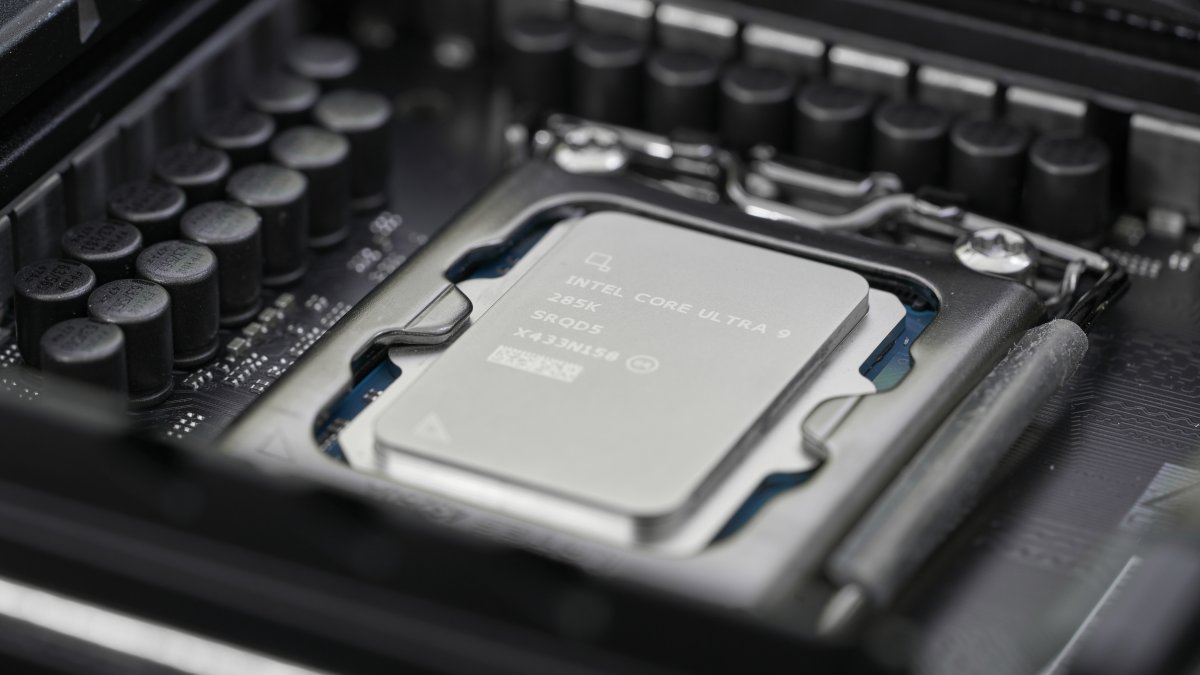
Intel's CPU Supply Struggles
PC makers are in a bind, grappling with a significant shortage of Intel processors. This isn't just a minor hiccup in the tech world; it's reportedly worse than the recent memory chip crunch that has already plagued the industry. Companies simply can't get their hands on enough Intel CPUs to meet the demand for notebooks and desktop PCs. According to sources cited by Nikkei Asia, Intel is unable to fulfill current orders. The underlying reason appears to be a strategic shift: the chip giant is nudging manufacturers toward its newer, pricier models, specifically the Core Ultra 300 and Core 300 series.
Shifting Focus, Tight Production
The roots of this issue can be traced back to a significant shift in Intel's production focus. Since late 2025, Intel has been concentrating a considerable portion of its production capacity on server processors. These are indeed more profitable, as the demand for cloud computing and data centers has surged. However, this strategic pivot has left a substantial gap in the availability of consumer-grade CPUs, including the older — yet still highly popular — Raptor Lake models. Despite being a couple of generations behind, these chips maintain a strong presence in markets like Germany, where they are frequently featured in price comparisons due to their combination of performance and value.
Manufacturers' Dilemma
The situation is further complicated by the voracious appetite of cloud providers and server operators for processors. Both Intel and AMD are reportedly inundated with orders from these sectors. This leaves PC manufacturers in a tight spot. They are effectively compelled to purchase Intel's higher-priced chips, such as those utilizing the cutting-edge Intel-18A technology, just to maintain their production lines. "You can tweak memory specs," one PC manager explained, "but CPUs? They're non-negotiable." This makes the current shortage not just an inconvenience, but a substantial operational headache.
Europe Feels the Pinch
The impact of this shortage is not evenly distributed globally; Europe, in particular, is feeling the squeeze. Many European manufacturers have relied on the older Intel Raptor Lake CPUs, which offer good performance at a fair price point. However, this reliance is being tested as the industry is pushed towards more expensive models. The shift could lead to higher prices for EU consumers, a significant concern in a region where economic conditions and regulatory environments already heighten price sensitivity.
- The takeaway: CPU shortage is more severe than the memory crunch.
- Intel is steering towards higher-priced models.
- Consumer-grade CPU production is insufficient.
What This Means for You
So, what does this situation mean for you, the shopper? Expect to encounter higher costs when purchasing new PCs and laptops. If you are contemplating buying a new computer, it may be wise to act sooner rather than later before prices escalate further. Additionally, brace yourself for potential delays as manufacturers scramble to adjust their production and sales strategies.
For a more concrete scenario, consider a small business owner in Berlin who relies on mid-range laptops for their team. They typically opt for models powered by the Raptor Lake processors due to their balance of performance and cost-effectiveness. With the current shortage, this business might face the tough decision of either paying a premium for the newer models or delaying equipment upgrades, potentially impacting their operational efficiency.
What's Still Unclear
Despite the growing impact, several questions remain unanswered. How long will this shortage persist? What measures is Intel taking to address the imbalance in CPU supply? Can AMD, Intel's main competitor, capitalize on this situation and capture additional market share, or are they encountering similar supply chain-challenges) bottlenecks? The answers to these questions will significantly influence the future landscape of PC and laptop pricing and availability. As it stands, the situation leaves much to speculation, with the market's direction remaining highly uncertain.
Why This Matters
Bottom line: Intel's CPU crunch could send PC prices soaring. With less supply and pricier chips, consumers could face inflated bills and fewer options when purchasing computers. This scenario is a significant concern for individual buying decisions and the broader tech market. Whether you're an everyday consumer, a small business owner, or a large enterprise, these developments could affect your budget and technology strategy in the coming months. As the situation evolves, keeping a close eye on the market dynamics and being agile in response will be crucial for those looking to make informed technology investments.
Discuss this story
Got a take, a correction, or a follow-up tip? Reply where you read — we read everything.
Found an error? File a correction at /corrections. Substantive corrections are logged publicly.
One short email. The most important Hardware news, fact-checked, no fluff. Free, unsubscribe anytime.
More from Hardware

Apple's AI Pivot: Vision Pro Content Cut, Siri Rebuilt Amid Layoffs
Apple's latest layoffs signal a strategic pivot, dialing back high-cost Vision Pro content while re-tooling Siri for the AI era. What's next for Apple?

Povasee A30 Jump Starter: A 50-Euro Deal With 5,000A Claims Under Scrutiny
The Povasee A30 jump-start power bank, on offer at Amazon for under 50 Euros, claims 5,000A peak current. We scrutinize this deal against real-world expectations.

Ugreen's 200W Charger: Powerhouse or Marketing Hype?
We analyze the Ugreen 200W charger's technical prowess, real-world utility, and the Amazon deal, highlighting its strengths and limitations

Victorinox Amazon Deals: Tactics or True Value?
Byte-Pulse examines Amazon's Victorinox deals, dissecting the true value of the Swiss Card Lite and Synergy X Alox against market trends.
The Byte-Pulse Newsroom is the editorial system that produces Byte-Pulse's daily tech news coverage. Each story is cross-referenced across 3+ independent outlets, drafted with AI assistance by the newsroom system (Drafter → Editor → Fact-Checker → Polisher), and reviewed by Serhat Er, Editor-in-Chief, before publication. We disclose AI augmentation openly. Editorial accountability stays with the named editor on every article. Tips: editorial@byte-pulse.net.
Don’t miss these
Asus ROG Phone 9 vs Sony Xperia 1 VII: Which Niche Flagship Earns Your Money?
Deciding between the gaming-focused ROG Phone 9 and the creator-centric Xperia 1 VII? This guide breaks down every spec to help you choose.
Proton VPN vs NordVPN: Which One Earns Your Subscription?
A deep dive into Proton VPN and NordVPN, comparing their privacy, performance, features, and value, helping you make an informed decision.
Perplexity Pro vs ChatGPT Plus: Which AI Assistant Fits Your Workflow?
This guide lays out the strengths and approaches of Perplexity Pro and ChatGPT Plus, helping you identify which AI assistant aligns with your specific needs.

Pokémon TCG Movie Signals Strategic Media Pivot for The Pokémon Company
A new Pokémon movie focused on the TCG is coming in 2027, marking a strategic pivot for the franchise as it navigates massive global fan engagement and logistical challenges.
Honor Magic 8 Pro vs Samsung Galaxy S26 Ultra: Which Future Flagship Fits Your Wallet and Workflow?
Deciding between the anticipated Honor Magic 8 Pro and Samsung Galaxy S26 Ultra? Our deep dive into expected specs and features provides the fair comparison you need.
Notion vs Obsidian: Which Knowledge Hub Fits Your Workflow?
Deciding between Notion and Obsidian? We break down the core differences in philosophy, data ownership, collaboration, and extensibility to help you choose.