iOS 27 Beta 2: All the Key Features You Should Know
From new Siri capabilities to AirPods Max 2 firmware, here's what's new in Apple's latest beta.

<markdown>
New Siri features aim to enhance user experience
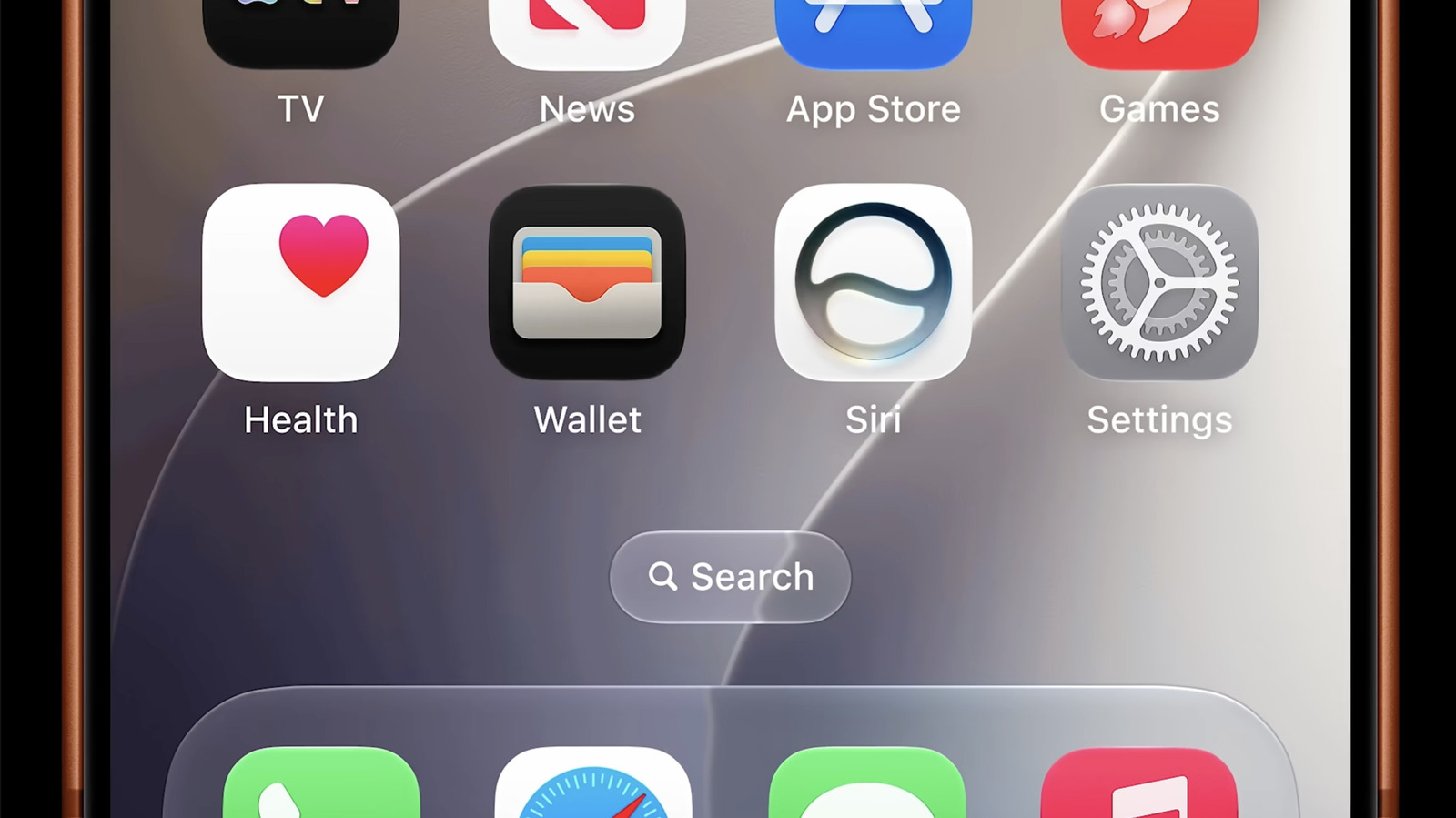
With iOS 27 beta 2, Apple’s stepping up its Siri game, looking to improve user interactions across devices. The new "Write with Siri" feature is a notable change. It replaces the outdated AI-powered Writing Tools prompt, making it easier for users on iPhones and iPads to engage with Siri while typing. Engadget reports that this feature brings up a large prompt above the keyboard, which shrinks to just the Siri icon as users start typing. While it's a cool enhancement, the beta mainly brings incremental improvements, like faster performance and an updated Expressive Voice preview labeled as "coming soon".
It's a bit disappointing, honestly. Apple aims for a smoother Siri experience, but these changes feel modest compared to last year's bold promises at WWDC. In a market where virtual assistants are evolving quickly, Apple needs to up its game to keep users interested. The recent advancements by competitors like Google Assistant and Amazon Alexa, which now offer more conversational interfaces and seamless integration with smart home devices, set a high bar. Google Assistant, for instance, offers real-time language translation and a more robust ecosystem integration that Apple's Siri has yet to match.
Compared to: Siri vs. Google Assistant
Historically, Siri was one of the first virtual assistants to hit the mainstream when it debuted on the iPhone 4S in 2011. However, Google Assistant, which launched in 2016, has quickly caught up and arguably surpassed Siri in terms of functionality and adaptability. For example, Google Assistant's ability to understand and respond to complex queries in a more natural and conversational manner is often cited as superior. It also integrates with a broader range of smart home devices effortlessly.
In terms of pricing, Siri is inherently free with Apple devices, whereas Google Assistant can be accessed across a multitude of devices, including budget-friendly Android phones. This offers a more inclusive approach compared to Apple's walled garden.
Real daily-use scenario: Using "Write with Siri"
Imagine you’re in a meeting, and you need to quickly jot down notes without disrupting the flow of conversation. With "Write with Siri," you can discreetly activate Siri from your iPad or iPhone and type out your notes as the discussion progresses. As each idea is typed, the assistant’s interface minimizes, allowing you to maintain focus on your keyboard without the distraction of large UI elements. This can be particularly useful in professional settings where voice commands may not be ideal.
RCS communication gets a boost with in-line replies
Another key update in iOS 27 beta 2 is the boost to RCS (Rich Communication Services) support in the Messages app. 9to5Mac reports that Apple’s working on better interoperability with non-Apple devices by adding features like message reactions and in-line replies. This shows Apple’s effort to close the communication gap between its users and those on other platforms.
This move is strategic. If Apple enhances RCS, it could attract more users, especially beyond its current ecosystem. But it raises questions too. How well can Apple implement these features without sacrificing security and privacy, areas where it usually excels? RCS is often touted as the successor to SMS, offering features like read receipts, typing indicators, and enhanced multimedia sharing. However, the adoption has been uneven across the globe, with many regions still relying heavily on traditional SMS.
Compared to: RCS vs. Apple's iMessage
While iMessage continues to be the preferred messaging platform for Apple users, offering end-to-end encryption and seamless media sharing, RCS aims to provide similar features across different platforms. The challenge for Apple is maintaining its high-security standards while adopting a protocol that is inherently less secure than iMessage's architecture. RCS lacks the end-to-end encryption iMessage provides, which could be a sticking point for privacy-focused users.
Real daily-use scenario: Messaging with RCS
Consider being in a group chat with friends, some using Android devices and others on iPhones. With enhanced RCS support, features like in-line replies and message reactions mean that everyone can participate in conversations more dynamically, regardless of their device. This reduces fragmentation in communication and allows for a more cohesive messaging experience.
AirPods Max 2 joins beta program with new firmware
For audio fans, there’s exciting news: Apple has launched the first beta firmware for [AirPods Max](https://www.amazon.com/s?k=AirPods%20Max&tag=bytepulse01-20) 2 alongside iOS 27 beta 2. This update is part of a broader goal to ensure all AirPods models, including AirPods 4 and AirPods Pro 2/3, get the latest features. According to 9to5Mac, the firmware is version 9.0.304, build 9A5304b, and is available for testing with updates for other AirPods.
Expected features for AirPods Max 2 include custom EQ settings and Apple GymKit syncing, which could really enhance the experience, especially for those into fitness. Still, I’m cautious. How effectively can Apple roll out these features without facing supply chain issues that have hit the tech world recently? Delivering consistent firmware updates can be tricky.
Compared to: AirPods Max vs. Competitors
AirPods Max entered the market as a premium offering, priced significantly higher than many competitors like Sony's WH-1000XM4 or Bose's Noise Cancelling Headphones 700. These competitors offer similar features like active noise cancellation and high-fidelity audio at a more approachable price point. However, AirPods Max differentiates itself with its unique design, spatial audio capabilities, and seamless integration with the Apple ecosystem.
Real daily-use scenario: Using AirPods Max 2
Picture a morning workout at the gym. With the new firmware, your AirPods Max 2 automatically sync with Apple GymKit, allowing you to track your workout metrics directly from your headphones. You adjust the custom EQ settings to match the upbeat playlist that keeps you motivated, all while enjoying the immersive soundstage that AirPods Max is known for.
iPhone Mirroring improvements resolve previous issues
iOS 27 beta 2 also brings improvements to iPhone Mirroring, especially in the macOS Golden Gate environment. Users had reported several issues with this feature in the first beta, but those seem to be addressed now. Engadget notes these updates should provide a smoother experience when mirroring iPhone screens to Macs, fixing earlier connectivity and performance hiccups.
Apple's commitment to refining this feature is a good sign. But will these adjustments be enough to avoid future problems, especially as more users depend on this for work and entertainment? Screen mirroring is increasingly used for presentations and remote work, and any improvements in this area can significantly enhance productivity tools.
Real daily-use scenario: Using iPhone Mirroring
Imagine preparing for a presentation. With the improved iPhone Mirroring, you can effortlessly project your iPhone screen onto a Mac, allowing you to share slides, apps, and multimedia content with your audience. This streamlined process reduces setup time and potential technical hitches, ensuring your presentation runs smoothly.
What to expect as the official launch approaches
As the official launch of iOS 27 and its devices draws near, excitement is building. Apple usually rolls out significant updates that resonate with users, but the beta phase is crucial for spotting potential issues. Engadget mentions that testers will likely uncover more details as they explore the beta, which is essential for fine-tuning features like Siri and RCS.
The coming months will be telling. Will Apple deliver a cohesive Siri experience across platforms? How well will the new RCS features mesh with user habits? And can Apple ensure that AirPods Max 2 and other devices reliably support these new firmware updates? We don’t have answers yet, but these questions loom as we await the official rollout.
What's still unclear
While the beta offers a glimpse into what iOS 27 aims to deliver, several questions remain. How well will these features perform in real-world scenarios? Will the integration of RCS meet user expectations without compromising the privacy standards Apple is known for? Additionally, the effectiveness of the new AirPods firmware in delivering promised features like custom EQ settings is yet to be fully realized outside of controlled testing environments.
What this means for you
For the average user, these updates signify a step forward in improving the Apple ecosystem’s functionality and integration. Siri's new features promise to make digital interactions more intuitive, while RCS enhancements could bridge communication gaps between different platforms. Meanwhile, audio enthusiasts and fitness buffs might find the AirPods Max 2 updates particularly appealing, offering a more personalized and integrated audio experience.
In short, while the latest beta updates show progress, they also highlight areas where Apple needs to do better. The real test? Whether these features provide tangible benefits without the usual hiccups that come with new software releases.
</markdown>
Sources cross-referenced
This story was synthesised from reporting by 4 outlets:
Cases, chargers and AirPods alternatives the editors actually use.
Shop mobile gear →Discuss this story
Got a take, a correction, or a follow-up tip? Reply where you read — we read everything.
Found an error? File a correction at /corrections. Substantive corrections are logged publicly.
One short email. The most important Mobile news, fact-checked, no fluff. Free, unsubscribe anytime.
More from Mobile

Apple's 'Deep Discounts': US Inventory Flush, Not European Bargains
Byte-Pulse examines Apple's recent US sales, revealing that 'deep discounts' on popular devices like the iPhone 17 Pro and M3 iPad Air are less about consumer savings and more about clearing stock ahead of new launches. We critically assess whether these offers translate to real value for European buyers.
Android Auto vs. CarPlay: Open vs. Controlled Infotainment Ecosystems
A deep dive into Android Auto's flexibility versus Apple CarPlay's curated experience, impacting user choice and OEM strategy
Google's Grip on Android App Distribution Under Fire
US District Judge James Donato gives Google one week to fix its deliberately obscured third-party app store access, highlighting Google's resistance to fair competition

Android 17 QPR2 Beta 3: Pixel Security and Controls Get a Boost
Byte-Pulse examines Android 17 QPR2 Beta 3, focusing on new UI elements, security updates, and user controls for Pixel devices.
The Byte-Pulse Newsroom is the editorial system that produces Byte-Pulse's daily tech news coverage. Each story is cross-referenced across 3+ independent outlets, drafted with AI assistance by the newsroom system (Drafter → Editor → Fact-Checker → Polisher), and reviewed by Serhat Er, Editor-in-Chief, before publication. We disclose AI augmentation openly. Editorial accountability stays with the named editor on every article. Tips: editorial@byte-pulse.net.
Don’t miss these
Proton VPN vs NordVPN: Which One Earns Your Subscription?
A deep dive into Proton VPN and NordVPN, comparing their privacy, performance, features, and value, helping you make an informed decision.
Perplexity Pro vs ChatGPT Plus: Which AI Assistant Fits Your Workflow?
This guide lays out the strengths and approaches of Perplexity Pro and ChatGPT Plus, helping you identify which AI assistant aligns with your specific needs.

Pokémon TCG Movie Signals Strategic Media Pivot for The Pokémon Company
A new Pokémon movie focused on the TCG is coming in 2027, marking a strategic pivot for the franchise as it navigates massive global fan engagement and logistical challenges.

Apple's AI Pivot: Vision Pro Content Cut, Siri Rebuilt Amid Layoffs
Apple's latest layoffs signal a strategic pivot, dialing back high-cost Vision Pro content while re-tooling Siri for the AI era. What's next for Apple?

D23 2026: Disney's Content Deluge Sparks Questions About Strategy
Byte-Pulse cuts through D23 hype: We dissect Disney's ambitious content slate, from Simpsons: Hit & Run to Ahsoka season 2, and question the real-world implications and European market strategy.
Notion vs Obsidian: Which Knowledge Hub Fits Your Workflow?
Deciding between Notion and Obsidian? We break down the core differences in philosophy, data ownership, collaboration, and extensibility to help you choose.