Kansas City Schools Go All-Apple, Buying 4,500+ MacBooks
Kansas City shifts to Apple, replacing 30,000 devices in public schools.

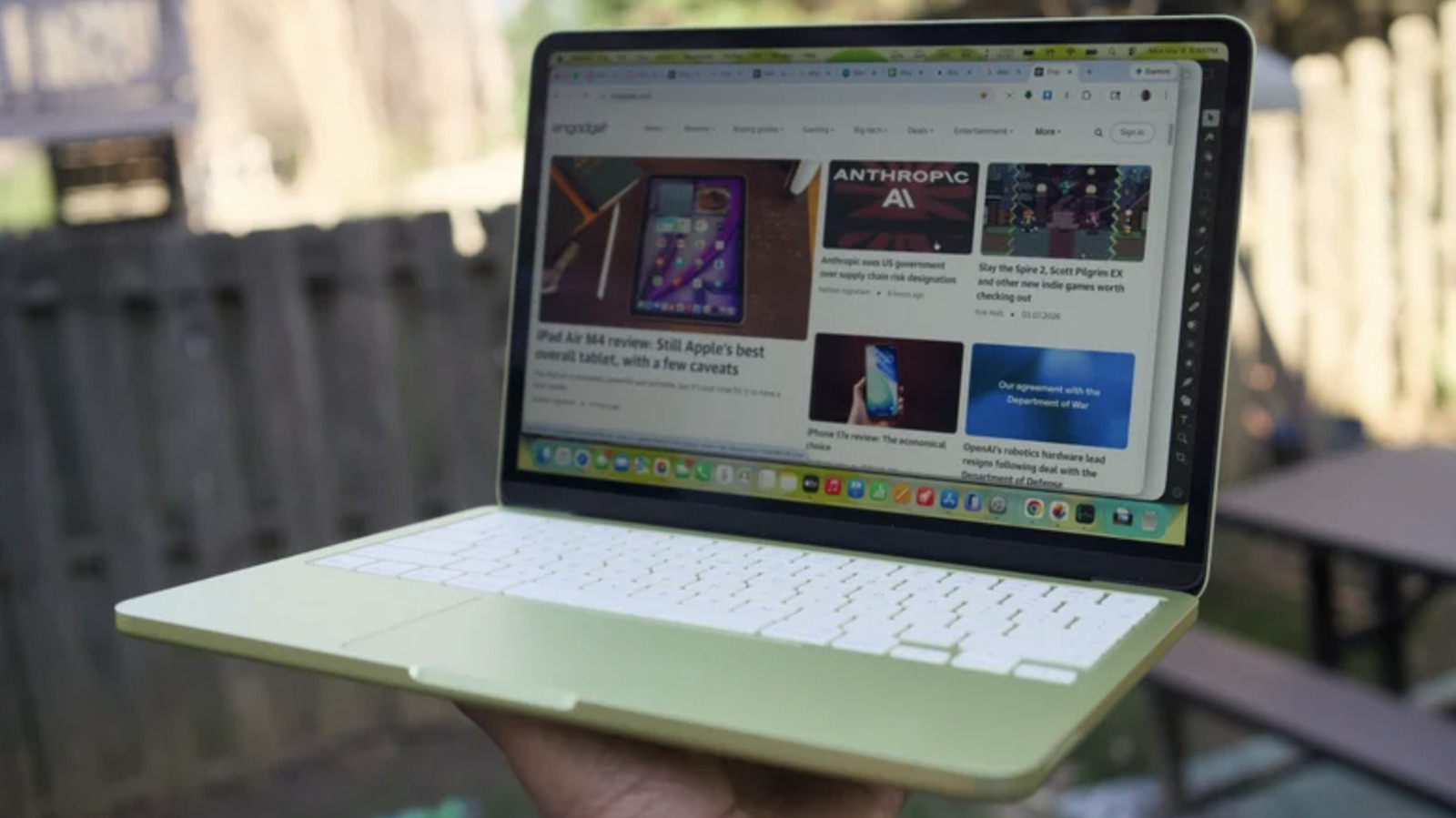
Kansas City Embraces Apple in Education
Kansas City Public Schools are making a significant shift in their educational technology approach by transitioning to an all-Apple district. This ambitious move involves replacing over 30,000 Windows PCs and Chromebooks with Apple devices. A key step in this transition is the acquisition of more than 4,500 MacBook Neos for students from 8th grade and upwards. This indicates a strategic pivot for the district, aiming to enhance the learning experience with Apple's ecosystem.
A Cost-Effective Deal
The decision to switch to Apple's devices comes with financial advantages. The MacBook Neo, already known for its affordability, is offered at a discounted rate of $499 for educational use. This bulk acquisition likely allowed Kansas City to negotiate an even more favorable price. With educational budgets often stretched thin, such cost considerations are crucial. The move could reflect a broader trend of schools opting for Apple products due to their reputation for reliability and user-friendly design.
Apple's aggressive push into the education market could challenge Microsoft's dominance. The latter has attempted to maintain its foothold by offering discounted software bundles, yet Apple's hardware appeal may sway schools to reconsider their tech choices. Apple's ecosystem offers a seamless integration of hardware and software, which is particularly attractive in educational settings where ease of use and minimal technical disruptions are priorities.
Impact on the Education Sector
- Transition of over 30,000 devices in Kansas City Public Schools: This large-scale transition marks a significant logistics challenge but promises a unified tech environment across the district.
- Deployment of more than 4,500 MacBook Neos for older students: Older students can benefit from the full capabilities of macOS, which supports a wide range of educational and productivity applications.
- Use of existing iPads and MacBook Airs for younger students: Younger students will continue to use iPads and MacBook Airs, which are known for their intuitive interfaces and educational app support.
- Potential challenges for Microsoft in maintaining its educational market share: As more districts consider Apple's offerings, Microsoft may need to innovate further to retain its foothold.
This strategy might encourage other districts to follow suit, highlighting Apple's growing influence in education. As Apple continues to expand its presence, other tech companies may need to adapt their strategies to remain competitive. The ease of managing a single ecosystem and the potential for improved educational outcomes are powerful incentives for school districts.
Context: European Educational Technology
Across Europe, educational institutions have also been exploring similar shifts. Countries like Denmark and Sweden have already integrated Apple products into their curricula, citing the intuitive design and robust ecosystem as key benefits. This aligns with a broader European trend of adopting digital tools to enhance learning outcomes. For instance, Denmark's national strategy for digitalization in schools includes significant investments in Apple products due to their ease of use and the extensive library of educational apps available.
What This Means for You
For students and educators in Kansas City, this shift means access to modern, reliable technology that supports a wide range of educational applications. If you're a parent or student in the district, expect a more seamless integration of tech into daily learning activities. The consistent platform can reduce technical issues and improve the quality of digital learning.
Parents might notice their children becoming more engaged with interactive learning apps, while teachers could find new ways to incorporate technology into their teaching plans. The district may offer training sessions or workshops to help students and educators maximize the use of these devices. Families should keep an eye out for communications from the district regarding any new resources or support being offered.
A Real-World Scenario
Imagine an 8th-grade student in Kansas City starting their day. They open their MacBook Neo to join a virtual class via a sleek user interface that minimizes distractions. Assignments are easily managed through Apple’s suite of productivity apps, while collaboration with classmates happens smoothly in real-time. The student accesses educational resources from the App Store, engaging with interactive content that makes learning more dynamic and enjoyable. For the teacher, distributing and collecting assignments digitally becomes a streamlined process, allowing more time for personalized instruction.
What's Still Unclear
- How quickly the transition will be completed across all grades: While the acquisition of MacBook Neos is a significant step, the timeline for full deployment remains uncertain.
- The long-term impact on students' learning experiences: While Apple devices are known for their quality, measuring their impact on educational outcomes will take time.
- Whether other districts will follow Kansas City's lead: It remains to be seen if this move will spark a broader trend across the country.
Why This Matters
Kansas City's decision to adopt Apple devices in schools marks a significant shift in educational technology. By prioritizing Apple, the district not only modernizes its tech infrastructure but also sets a precedent that could influence other educational systems. As Apple and Microsoft compete for dominance in the educational sector, the choices made by school districts will shape the future landscape of digital learning.
For the tech industry, this shift indicates a potential change in how educational technology is approached, with a focus on comprehensive ecosystems rather than standalone devices. For students, it represents an opportunity to engage with technology in a way that prepares them for a digital future, equipped with skills that are increasingly vital in the modern world.
Discuss this story
Got a take, a correction, or a follow-up tip? Reply where you read — we read everything.
Found an error? File a correction at /corrections. Substantive corrections are logged publicly.
One short email. The most important Hardware news, fact-checked, no fluff. Free, unsubscribe anytime.
More from Hardware

Apple's AI Pivot: Vision Pro Content Cut, Siri Rebuilt Amid Layoffs
Apple's latest layoffs signal a strategic pivot, dialing back high-cost Vision Pro content while re-tooling Siri for the AI era. What's next for Apple?

Povasee A30 Jump Starter: A 50-Euro Deal With 5,000A Claims Under Scrutiny
The Povasee A30 jump-start power bank, on offer at Amazon for under 50 Euros, claims 5,000A peak current. We scrutinize this deal against real-world expectations.

Ugreen's 200W Charger: Powerhouse or Marketing Hype?
We analyze the Ugreen 200W charger's technical prowess, real-world utility, and the Amazon deal, highlighting its strengths and limitations

Victorinox Amazon Deals: Tactics or True Value?
Byte-Pulse examines Amazon's Victorinox deals, dissecting the true value of the Swiss Card Lite and Synergy X Alox against market trends.
The Byte-Pulse Newsroom is the editorial system that produces Byte-Pulse's daily tech news coverage. Each story is cross-referenced across 3+ independent outlets, drafted with AI assistance by the newsroom system (Drafter → Editor → Fact-Checker → Polisher), and reviewed by Serhat Er, Editor-in-Chief, before publication. We disclose AI augmentation openly. Editorial accountability stays with the named editor on every article. Tips: editorial@byte-pulse.net.
Don’t miss these
Asus ROG Phone 9 vs Sony Xperia 1 VII: Which Niche Flagship Earns Your Money?
Deciding between the gaming-focused ROG Phone 9 and the creator-centric Xperia 1 VII? This guide breaks down every spec to help you choose.
Proton VPN vs NordVPN: Which One Earns Your Subscription?
A deep dive into Proton VPN and NordVPN, comparing their privacy, performance, features, and value, helping you make an informed decision.
Perplexity Pro vs ChatGPT Plus: Which AI Assistant Fits Your Workflow?
This guide lays out the strengths and approaches of Perplexity Pro and ChatGPT Plus, helping you identify which AI assistant aligns with your specific needs.

Pokémon TCG Movie Signals Strategic Media Pivot for The Pokémon Company
A new Pokémon movie focused on the TCG is coming in 2027, marking a strategic pivot for the franchise as it navigates massive global fan engagement and logistical challenges.
Honor Magic 8 Pro vs Samsung Galaxy S26 Ultra: Which Future Flagship Fits Your Wallet and Workflow?
Deciding between the anticipated Honor Magic 8 Pro and Samsung Galaxy S26 Ultra? Our deep dive into expected specs and features provides the fair comparison you need.
Notion vs Obsidian: Which Knowledge Hub Fits Your Workflow?
Deciding between Notion and Obsidian? We break down the core differences in philosophy, data ownership, collaboration, and extensibility to help you choose.