Philips Launches HDMI Sync Box 2.1 with 8K Support in June 2026
Philips Smart Lighting's HDMI Sync Box 2.1 promises 8K at 60Hz and 4K at 120Hz, boosting home cinema setups.

Philips Launches HDMI Sync Box 2.1 with 8K Support in June 2026
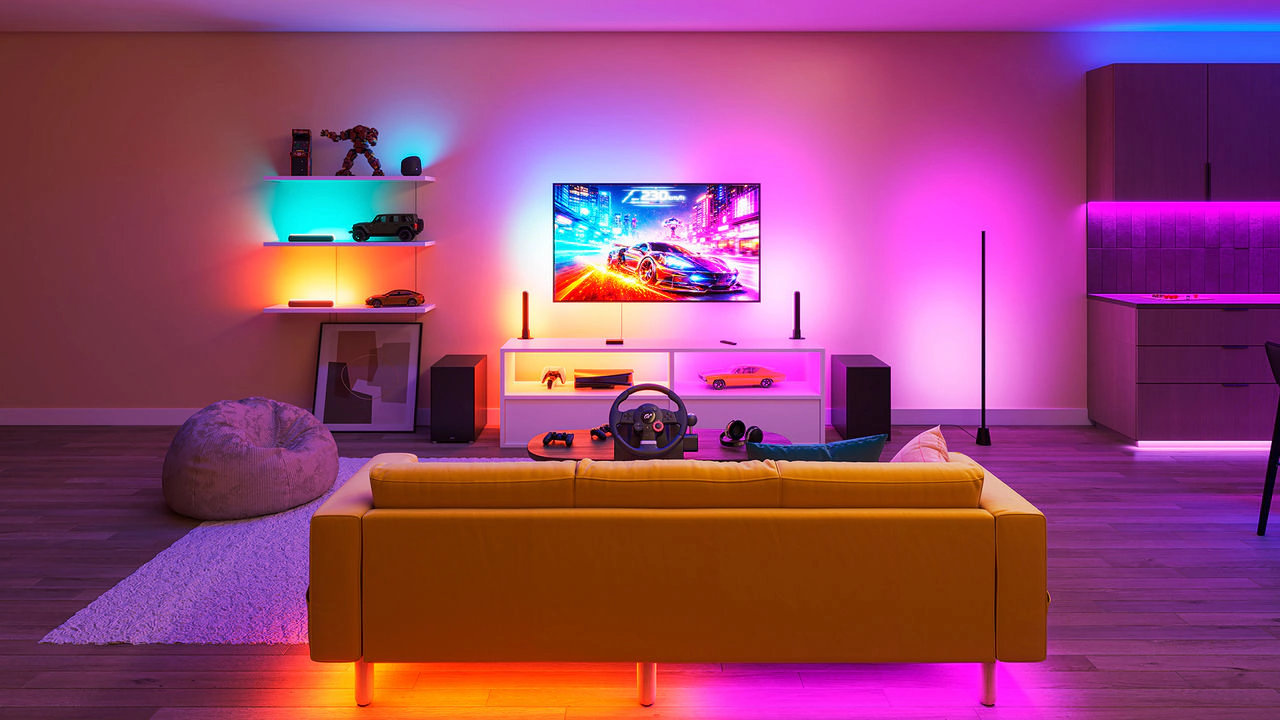
Philips Smart Lighting, in collaboration with WiZ, has unveiled its latest innovation: the HDMI Sync Box 2.1. This new addition to the Philips lineup represents a significant leap forward with its HDMI 2.1 specifications, designed to deliver an unparalleled visual experience by supporting 8K resolution at 60Hz and 4K at 120Hz. For home cinema enthusiasts looking to enhance their viewing experience with synchronized smart lighting, this product promises to be a game-changer.
Enhanced Lighting and Synchronization
With this release, Philips isn't just introducing an upgraded version of the Sync Box; it's redefining how consumers interact with their home entertainment systems. The HDMI Sync Box 2.1 is the first in its line to handle 8K resolution, a significant milestone that sets a new standard in immersive home entertainment. By synchronizing lighting with on-screen action, Philips aims to create a more engaging and dynamic viewing environment.
Beyond the Sync Box, Philips has also updated its lightstrip offerings. The new versions feature both cold and warm white options, with an impressive 60 LEDs per meter. This enhancement allows users to affix the strip around their TV or home theater setups, providing an enriched ambient lighting experience that complements the visual content on screen.
Philips is also expanding its smart lighting range with new LED strips, portable accent lights, and table lamps. The newly introduced Gradient floor lamp and Light Bars can project color gradients across walls, adding a vivid and immersive layer to any room. These products can sync with your TV, enhancing the viewing experience by creating a seamless blend of light and color.
Product Launch and Availability
The HDMI Sync Box 2.1, along with its companion products, will be available in stores starting June 2026. The pricing for the Sync Box begins at €149.99 for 55” to 65” TVs, offering various sizes to cater to different customer needs. To celebrate the launch, MediaMarkt is running a promotional offer from May 15-31, 2026, where customers can purchase the Sync Box bundled with a TV lightstrip for €139.99, down from the standard price of €149.99.
This strategic partnership between Philips and WiZ highlights an ongoing commitment to smart home innovation. By choosing Wi-Fi as their connectivity protocol, as opposed to the more traditional Zigbee used in Philips Hue, Philips Smart Lighting products are more accessible to a wider audience. This decision allows users without Zigbee hubs to easily integrate smart lighting solutions into their homes, making advanced technology more user-friendly.
Context: The Evolution of Smart Lighting
The smart lighting industry has evolved rapidly over the past decade, with numerous companies vying for a position in the burgeoning smart home market. Philips, a veteran in the lighting industry, has consistently pushed the envelope by offering sophisticated solutions that merge cutting-edge technology with everyday usability. Their collaboration with WiZ represents a strategic move to cater to a demographic that values convenience and seamless integration in smart home ecosystems.
In Europe, the adoption of smart home technologies is on the rise, with consumers increasingly seeking products that enhance their living spaces through high-tech innovation. Philips' decision to integrate Wi-Fi connectivity addresses a significant barrier in the adoption of smart lighting systems by removing the need for additional hubs and simplifying the process for consumers.
What's Still Unclear
Despite the excitement surrounding the launch, several questions remain unanswered. There is a lack of clarity regarding the long-term support and updates for the HDMI Sync Box 2.1, which could impact its longevity and relevance in a fast-paced tech landscape. Additionally, it's uncertain how well the Sync Box will integrate with third-party smart home devices and if it will be compatible with popular ecosystems like Google Home or Amazon Alexa. These unanswered questions may influence consumer decisions, as integration with existing devices is a key consideration for many users.
What This Means for You
For consumers, the introduction of the HDMI Sync Box 2.1 means an opportunity to elevate their home entertainment setup with cutting-edge technology. The ability to sync smart lighting with 8K and 4K content offers a more immersive viewing experience, making movie nights and gaming sessions more engaging than ever before. Moreover, the accessibility of Philips Smart Lighting products through WiZ's app opens doors for a wider audience to experience smart home automation without the complexity of additional hardware.
Key Features of Philips HDMI Sync Box 2.1:
- HDMI 2.1 support for 8K at 60Hz and 4K at 120Hz
- Synchronization with smart lighting for dynamic ambient effects
- Wi-Fi connectivity through WiZ app, eliminating the need for Zigbee hubs
- Compatibility with a range of Philips Smart Lighting products
- Promotional pricing available for early adopters
Editorial Take
Philips' latest release underscores the company's dedication to integrating advanced technology into everyday life. By leveraging HDMI 2.1 and offering a broad range of lighting options, Philips Smart Lighting is positioning itself as a leader in enhancing home entertainment experiences. The move towards more accessible smart lighting solutions reflects a broader trend in the industry, where ease of use and seamless integration are becoming key drivers of consumer choice.
As the smart home landscape continues to develop, Philips' innovations in this space will likely influence how other companies approach the integration of technology into home environments. This launch could serve as a catalyst for further advancements in smart lighting, encouraging other manufacturers to elevate their offerings to meet rising consumer expectations.
Discuss this story
Got a take, a correction, or a follow-up tip? Reply where you read — we read everything.
Found an error? File a correction at /corrections. Substantive corrections are logged publicly.
One short email. The most important Hardware news, fact-checked, no fluff. Free, unsubscribe anytime.
More from Hardware

Apple's AI Pivot: Vision Pro Content Cut, Siri Rebuilt Amid Layoffs
Apple's latest layoffs signal a strategic pivot, dialing back high-cost Vision Pro content while re-tooling Siri for the AI era. What's next for Apple?

Povasee A30 Jump Starter: A 50-Euro Deal With 5,000A Claims Under Scrutiny
The Povasee A30 jump-start power bank, on offer at Amazon for under 50 Euros, claims 5,000A peak current. We scrutinize this deal against real-world expectations.

Ugreen's 200W Charger: Powerhouse or Marketing Hype?
We analyze the Ugreen 200W charger's technical prowess, real-world utility, and the Amazon deal, highlighting its strengths and limitations

Victorinox Amazon Deals: Tactics or True Value?
Byte-Pulse examines Amazon's Victorinox deals, dissecting the true value of the Swiss Card Lite and Synergy X Alox against market trends.
The Byte-Pulse Newsroom is the editorial system that produces Byte-Pulse's daily tech news coverage. Each story is cross-referenced across 3+ independent outlets, drafted with AI assistance by the newsroom system (Drafter → Editor → Fact-Checker → Polisher), and reviewed by Serhat Er, Editor-in-Chief, before publication. We disclose AI augmentation openly. Editorial accountability stays with the named editor on every article. Tips: editorial@byte-pulse.net.
Don’t miss these
OnePlus 14 vs Samsung Galaxy S26: Which Flagship Earns Your Hard-Earned Cash?
Deciding between the OnePlus 14 and Samsung Galaxy S26? This guide cuts through the noise, laying out the facts so you can pick the perfect phone for your priorities.
Proton VPN vs NordVPN: Which One Earns Your Subscription?
A deep dive into Proton VPN and NordVPN, comparing their privacy, performance, features, and value, helping you make an informed decision.
Perplexity Pro vs ChatGPT Plus: Which AI Assistant Fits Your Workflow?
This guide lays out the strengths and approaches of Perplexity Pro and ChatGPT Plus, helping you identify which AI assistant aligns with your specific needs.

Pokémon TCG Movie Signals Strategic Media Pivot for The Pokémon Company
A new Pokémon movie focused on the TCG is coming in 2027, marking a strategic pivot for the franchise as it navigates massive global fan engagement and logistical challenges.

D23 2026: Disney's Content Deluge Sparks Questions About Strategy
Byte-Pulse cuts through D23 hype: We dissect Disney's ambitious content slate, from Simpsons: Hit & Run to Ahsoka season 2, and question the real-world implications and European market strategy.
Nothing Phone 4 vs Google Pixel 11: Looking Ahead to the Next Generation
A speculative deep dive into what the Nothing Phone 4 and Google Pixel 11 might bring, offering a balanced look at their likely strengths and trade-offs for future buyers.