RustDesk Implements Login Requirement for Public Server Access
To fight misuse, RustDesk mandates logins for public server access.

RustDesk Implements Login Requirement for Public Server Access
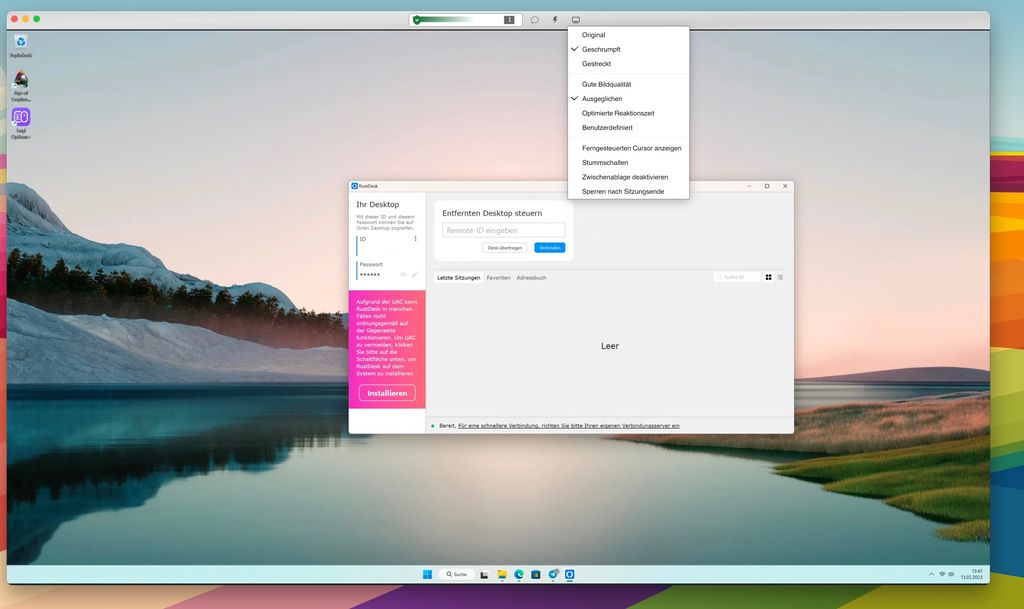
RustDesk has made a decisive move in its journey as a remote desktop tool by instituting a login requirement for access to its public servers. This decision was driven by the increasing misuse of its platform by malicious actors, including scammers and botnets. While this step is meant to enhance security, it also raises questions about accessibility and user convenience.
New Login Requirement: A Security Measure
The newly implemented login requirement is aimed at curbing the misuse of RustDesk's public servers. Users can log in using their existing Google or GitHub accounts, eliminating the need to create a separate RustDesk account. This change is currently applicable only to controlling devices—the ones initiating the remote connection. This approach is designed to guard against unauthorized access without significantly burdening users.
However, the developers have indicated that if abuse persists, they might extend the login requirement to controlled devices as well, necessitating that both ends of the connection use the same user account. This potential change could create complications for users who manage multiple remote desktops, highlighting the ongoing challenge of balancing security with ease of use.
Context: The Growing Importance of Remote Access Tools
In today's world, remote access tools have become indispensable for both remote work and IT support. These tools bridge the gap between physical distance and digital presence, allowing seamless interaction with systems and data. However, the convenience of public servers can sometimes come at the cost of security, posing risks such as unauthorized access and data breaches. RustDesk's move underscores the broader industry trend of prioritizing security to protect sensitive information.
Simplifying Access for Support: Potential Solutions
The RustDesk team is acutely aware of the potential friction their new policy might introduce. To mitigate these concerns, they're exploring alternative methods to streamline temporary support access. Options under consideration include invitation links or command-line tools, which could simplify the process of granting temporary access without compromising on security.
The developers have emphasized that RustDesk's public servers are primarily intended for testing purposes and not for handling sensitive data. They recommend that users with serious security concerns host RustDesk on their own private hardware, which offers more control and protection against unauthorized access.
What This Means for You
For users, especially those relying on RustDesk for quick and uncomplicated connections, the login requirement could represent a hurdle. It necessitates an additional step in the connection process, potentially slowing down workflows. However, the trade-off is a more secure environment, vital for protecting against threats that could compromise data integrity.
Moreover, this shift aligns with a broader industry movement towards enhancing security. As remote work solidifies its place in the modern work environment, the need for secure remote systems becomes increasingly critical. Users must weigh the benefits of enhanced security against any minor inconveniences introduced by the new login requirements.
Limitations and Challenges
One clear limitation of the new system is its impact on users operating on 32-bit Windows systems, who cannot utilize third-party logins via Google or GitHub. These users are advised to continue using RustDesk's web platform or consider hosting the software themselves. This limitation highlights a broader issue in the tech industry: the gradual phasing out of support for older systems which can leave some users at a disadvantage.
What's Still Unclear
Despite the clarity around some aspects of these changes, several questions remain unanswered. Will RustDesk ultimately decide to extend the login requirement to controlled devices? And will these changes effectively deter malicious use of their public servers? The answers to these questions will significantly influence user experience and security outcomes.
Additionally, the community is waiting to see what specific solutions RustDesk will introduce to simplify support access. The balance between security and user convenience is delicate, and the effectiveness of these solutions will be crucial in maintaining that balance.
How RustDesk Stacks Up Against Competitors
RustDesk's open-source nature distinguishes it from competitors like TeamViewer or AnyDesk, offering users greater flexibility and transparency. However, the new login requirement might deter those who prefer the tool for its swift, hassle-free connections. Users who prioritize accessibility without the need for extensive security might find this change less appealing.
Still, RustDesk's decision reflects a larger industry shift towards tightening security protocols. As cyber threats become more sophisticated, companies are increasingly opting for measures that prioritize security, even if they come at the cost of user convenience.
Editorial Take
RustDesk's decision to implement a login requirement for its public servers is a necessary step in response to the misuse by scammers and botnets. While it introduces an extra step for users, the move is in line with industry efforts to enhance security. As remote work continues to grow, the safeguarding of digital environments becomes paramount.
However, the company faces the challenge of ensuring that security improvements don't overly complicate the user experience. As changes unfold, RustDesk will need to carefully evaluate the impact on its user base and remain responsive to feedback. In doing so, they can strike the right balance between security and accessibility, keeping RustDesk a viable option in the crowded field of remote access tools.
Editor-tracked discounts on the gadgets and gear worth buying right now.
See the deals →Discuss this story
Got a take, a correction, or a follow-up tip? Reply where you read — we read everything.
Found an error? File a correction at /corrections. Substantive corrections are logged publicly.
One short email. The most important Web & Apps news, fact-checked, no fluff. Free, unsubscribe anytime.
More from Web & Apps

D23 2026: Disney's Content Deluge Sparks Questions About Strategy
Byte-Pulse cuts through D23 hype: We dissect Disney's ambitious content slate, from Simpsons: Hit & Run to Ahsoka season 2, and question the real-world implications and European market strategy.

Spotify Relaunches AI Running Mode for iOS Premium Users
Spotify's new Running Mode for iOS uses AI to sync music with your stride, but its success hinges on AI quality and user input
WhatsApp Web Gets Calls: Meta's Cross-Platform Play Begins
WhatsApp Web now supports encrypted calls, screen sharing, and call transfers. We dissect Meta's strategic shift and its implications for users and enterprise adoption in Europe.

Fox's $22 Billion Acquisition of Roku: A New Era in Streaming
Fox's acquisition of Roku for $22 billion marks a pivotal shift in streaming, merging content strength with platform reach.
The Byte-Pulse Newsroom is the editorial system that produces Byte-Pulse's daily tech news coverage. Each story is cross-referenced across 3+ independent outlets, drafted with AI assistance by the newsroom system (Drafter → Editor → Fact-Checker → Polisher), and reviewed by Serhat Er, Editor-in-Chief, before publication. We disclose AI augmentation openly. Editorial accountability stays with the named editor on every article. Tips: editorial@byte-pulse.net.
Don’t miss these
Proton VPN vs NordVPN: Which One Earns Your Subscription?
A deep dive into Proton VPN and NordVPN, comparing their privacy, performance, features, and value, helping you make an informed decision.
Perplexity Pro vs ChatGPT Plus: Which AI Assistant Fits Your Workflow?
This guide lays out the strengths and approaches of Perplexity Pro and ChatGPT Plus, helping you identify which AI assistant aligns with your specific needs.

Pokémon TCG Movie Signals Strategic Media Pivot for The Pokémon Company
A new Pokémon movie focused on the TCG is coming in 2027, marking a strategic pivot for the franchise as it navigates massive global fan engagement and logistical challenges.

Apple's AI Pivot: Vision Pro Content Cut, Siri Rebuilt Amid Layoffs
Apple's latest layoffs signal a strategic pivot, dialing back high-cost Vision Pro content while re-tooling Siri for the AI era. What's next for Apple?

Apple's 'Deep Discounts': US Inventory Flush, Not European Bargains
Byte-Pulse examines Apple's recent US sales, revealing that 'deep discounts' on popular devices like the iPhone 17 Pro and M3 iPad Air are less about consumer savings and more about clearing stock ahead of new launches. We critically assess whether these offers translate to real value for European buyers.
Notion vs Obsidian: Which Knowledge Hub Fits Your Workflow?
Deciding between Notion and Obsidian? We break down the core differences in philosophy, data ownership, collaboration, and extensibility to help you choose.