Signal Enhances Phishing Protections as Cyber Threats Target Politicians
New alerts aim to protect users from phishing, focusing on high-profile targets.

Signal Enhances Phishing Protections as Cyber Threats Target Politicians
In the rapidly evolving landscape of digital communication, the emphasis on security and user privacy has never been more critical. Messaging platforms, with Signal at the forefront, are increasingly tasked with safeguarding users from sophisticated cyber threats like phishing. This has become especially pertinent in light of recent attacks targeting high-profile individuals, including politicians in Germany.
Phishing Hits High-Profiles
Phishing has emerged as a potent threat, particularly aimed at individuals in positions of power. Recently, members of the German government, including Bundestag President Julia Klöckner and cabinet members Verena Hubertz and Karin Prien, have found themselves in the crosshairs of these cyber aggressors. Speculation suggests that Russian cyber operatives might be behind these attacks, yet definitive attribution remains elusive.
Meredith Whittaker, president of Signal, has emphasized that these threats are primarily rooted in social engineering rather than any flaw in Signal’s technology. She reassures users, stating, "Signal's still secure," and confirming that the platform's encryption protocols remain uncompromised. This highlights a significant aspect of modern cybersecurity: while the technology behind platforms like Signal is robust, the human element often presents vulnerabilities that attackers exploit.
New User Alerts
In response to the uptick in phishing attempts, Signal is implementing new user alerts designed to mitigate risks from messages originating from unknown numbers. By making it harder to accept new contacts with a single click, Signal aims to thwart phishing attempts before they can gain traction. Whittaker mentioned, "Accepting new contacts won't be a one-click deal anymore," indicating a shift towards more cautious digital interaction.
A prevalent vector for these attacks involves fake "Signal Support" messages, which can deceive users into divulging sensitive information like PINs. Whittaker has underscored that Signal will never solicit such information, urging users to maintain vigilance.
Context
The move by Signal to bolster its defenses comes as part of a broader industry trend where messaging platforms are increasingly integrating security features to protect users from cyber threats. In the European Union, where data privacy is a significant concern, platforms like Signal play a crucial role in defending against online threats while adhering to stringent privacy regulations.
Striking the Privacy-Security Balance
Signal's reputation as a paragon of privacy is well-earned. The platform's commitment to not tracking usernames or contact lists is a testament to its user-centric approach. "We know as little as possible about users," Whittaker affirmed, highlighting a fundamental tension between privacy and security: the less a platform knows, the less it can preemptively block malicious accounts.
This privacy-centric model stands in contrast to some government proposals that suggest scanning messages pre-encryption to detect threats. Signal's stance is clear: maintaining user privacy is paramount.
What's Still Unclear
Despite these proactive measures, several questions remain unanswered. What additional security features might Signal introduce in the future? How significant was the impact of this phishing campaign on the targeted individuals and organizations? And perhaps most critically, who is definitively behind these phishing attacks? These unanswered questions reflect the ongoing challenges in cybersecurity where attribution can be complex and elusive.
Encrypted Messaging on the Rise
The demand for encrypted messaging services is on an upward trajectory, driven by the growing need for secure communication channels. Signal, with its robust end-to-end encryption, has become a preferred choice for sensitive communications, particularly among journalists and politicians who prioritize confidentiality.
Other messaging platforms like WhatsApp and Telegram also offer encrypted messaging, albeit with their distinct approaches to data handling and privacy. Signal’s open-source nature provides a transparency advantage, allowing users and experts to scrutinize its security protocols.
What This Means For You
For everyday users, these developments underscore the importance of staying informed and cautious in the digital realm. With phishing attacks becoming more sophisticated, understanding and utilizing the security features offered by platforms like Signal can significantly enhance personal cybersecurity. Users should be mindful of the origins of messages, especially those requesting sensitive information, and leverage tools like Signal's new alerts to safeguard their communications.
The Competition: Other Messaging Apps
In the competitive landscape of messaging apps, Signal stands out with its uncompromising focus on security and privacy. While WhatsApp and Telegram also provide encrypted messaging, each platform has its own philosophy regarding data privacy and user protection.
- Signal: Offers open-source transparency, strong encryption, minimal data retention.
- WhatsApp: Provides end-to-end encryption but is owned by Meta, raising privacy concerns.
- Telegram: Known for its flexibility and speed, although its encryption policies differ from Signal's.
Editorial Take
As digital communication becomes integral to our daily lives, the importance of secure messaging cannot be overstated. Signal’s enhancements to protect against phishing are a necessary step in addressing the evolving landscape of cyber threats. Yet, the balance between maintaining user privacy and ensuring security remains a delicate one. As we navigate these complexities, staying informed and vigilant as users is crucial to safeguarding our digital interactions.
Discuss this story
Got a take, a correction, or a follow-up tip? Reply where you read — we read everything.
Found an error? File a correction at /corrections. Substantive corrections are logged publicly.
One short email. The most important Security news, fact-checked, no fluff. Free, unsubscribe anytime.
More from Security

eBay's $55.7M Cyberstalking Settlement: A Corporate Culture of Coercion Exposed
Byte-Pulse investigates the eBay cyberstalking case, revealing a disturbing harassment campaign, executive involvement, and the broader implications for corporate ethics.
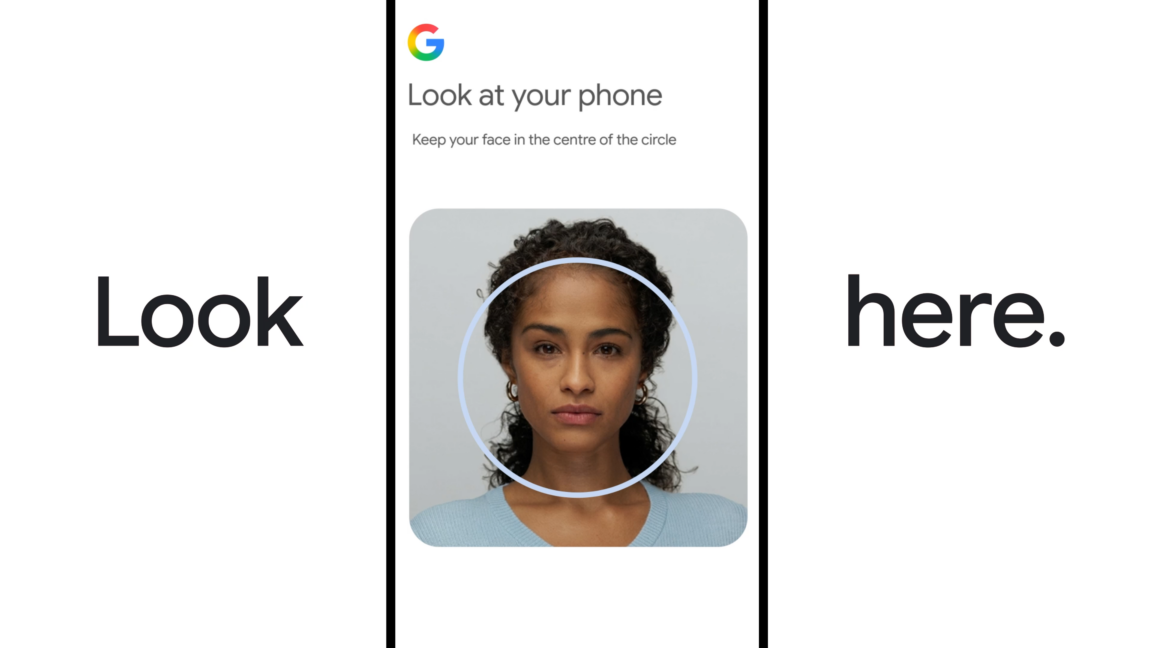
Google's Selfie Login: Convenience Meets Data Privacy Alarms
Google introduces a video selfie login, but the implications for data privacy and AI training warrant scrutiny beyond convenience

Apple's Rare Third macOS RC: Unpacking Security Concerns
Byte-Pulse explores the implications of Apple's unusual third Release Candidate for macOS updates, examining the severity of unannounced security fixes and their impact on European users

Google’s Legal Battle Against AI-Driven Cybercrime: Examining Outsider Enterprise
Google's lawsuit against Outsider Enterprise exposes differences in victim counts and sheds light on AI's role in cybercrime.
The Byte-Pulse Newsroom is the editorial system that produces Byte-Pulse's daily tech news coverage. Each story is cross-referenced across 3+ independent outlets, drafted with AI assistance by the newsroom system (Drafter → Editor → Fact-Checker → Polisher), and reviewed by Serhat Er, Editor-in-Chief, before publication. We disclose AI augmentation openly. Editorial accountability stays with the named editor on every article. Tips: editorial@byte-pulse.net.
Don’t miss these

Ugreen's 200W Charger: Powerhouse or Marketing Hype?
We analyze the Ugreen 200W charger's technical prowess, real-world utility, and the Amazon deal, highlighting its strengths and limitations

Teclast P33: A Comprehensive Review of the 90-Euro Tablet Bundle
Byte-Pulse investigates the Teclast P33 tablet's unprecedented 90-Euro bundle, dissecting its budget specs and real-world utility of its ten included accessories.

Fire Emblem: Fortune's Weave — Nintendo's Time-Bending Switch 2 RPG
Fire Emblem: Fortune's Weave redefines the series with its complex narrative, time-travel mechanics, and parallel campaign progression, launching Sept. 17, 2026, on Nintendo Switch 2.

Spotify Relaunches AI Running Mode for iOS Premium Users
Spotify's new Running Mode for iOS uses AI to sync music with your stride, but its success hinges on AI quality and user input

iOS 27 AI Tier: Latest iPhones Lock Full Potential
Byte-Pulse examines iOS 27's public beta, revealing a tiered system where 'Apple Intelligence' features are gated by chip generations and RAM, creating an uneven experience for users

Victorinox Amazon Deals: Tactics or True Value?
Byte-Pulse examines Amazon's Victorinox deals, dissecting the true value of the Swiss Card Lite and Synergy X Alox against market trends.