Google's New Recaptcha Presents Challenges for Android Users Without Google Services
QR-code Recaptcha complicates life for those without Google Play Services.

Google's New Recaptcha Complicates Life for Google-Free Android Users
Google's recent update to its Recaptcha system is a double-edged sword, enhancing security while inadvertently creating hurdles for a niche but significant group of Android users who choose to operate without Google services. This update is a part of Google's ongoing efforts to combat AI-driven web fraud, yet it raises important questions about access and inclusivity in the digital age.
A New Layer of Security
Introduced in April 2026, Google's Recaptcha update adds a sophisticated layer of security that requires users to scan a QR code to verify their humanity. This measure is activated when there's suspicion of AI involvement or when traditional Recaptcha puzzles fail. However, this new security measure relies heavily on Google Play Services, specifically version 25.41.30, to function properly.
For those using Google-free Android phones, such as those running on GrapheneOS, this presents a significant challenge. These devices are deliberately designed to avoid integrating Google's proprietary services, reflecting a deliberate choice by users prioritizing privacy and autonomy over convenience. When faced with the new Recaptcha's QR code requirement, these users might find themselves in a frustrating bind, unable to proceed with their online activities.
Context: The Industry Landscape
The introduction of such security measures is not happening in a vacuum. Over the past few years, there has been an industry-wide shift towards integrating more robust verification methods to combat increasingly sophisticated forms of cyber fraud. This trend is particularly noticeable in the European Union, where stringent data protection regulations, like the General Data Protection Regulation (GDPR), have prompted companies to bolster their security infrastructures. Google's Recaptcha enhancement can be seen as part of this broader push to protect user data and maintain integrity in digital interactions.
The Impact on Google-Free Smartphones
While not every interaction with Recaptcha will trigger the QR code scan, the potential for disruption is a looming concern for users of Google-free Android devices. The inability to complete this verification step could significantly limit their web access, affecting everyday tasks such as browsing, online shopping, and accessing various web services. This represents a broader issue where enhancements in security could inadvertently marginalize users who choose alternative operating systems for privacy reasons.
What This Means for You
If you're a user of a Google-free Android device, it's crucial to be aware of these new developments. The inability to use the updated Recaptcha could disrupt your daily internet usage, requiring you to seek alternative methods or platforms that do not rely on Google's verification systems. For those who have chosen privacy over convenience, this development might be a catalyst to explore even more privacy-focused alternatives or adapt to new security protocols.
What's Still Unclear
Several questions remain unanswered with this new Recaptcha update:
- Will Google offer an alternative verification method for non-Google Android users? As of now, it's unclear whether Google has any plans to accommodate users who opt out of its services.
- How frequently will users encounter the QR-code requirement? The frequency and context in which this verification step will be activated are still uncertain.
- Are there ways for affected users to circumvent this limitation and regain full web access? The community of privacy-focused users and developers may need to explore potential workarounds.
Background: Why Google-Free?
The choice to use an Android device without Google services is often driven by concerns over privacy and data control. Many users are wary of Google's extensive data collection practices, preferring an operating system that offers them more control over their personal information. This preference, however, comes with its own set of challenges, as demonstrated by the Recaptcha update. While mainstream Android devices can seamlessly navigate the QR code challenge, maintaining smooth web access, those on Google-free systems are left grappling with barriers that highlight the trade-off between privacy and functionality.
How It Compares
For users on traditional Android devices equipped with Google services, the new Recaptcha poses little inconvenience. The QR code scan is a minor hurdle, easily overcome with the backing of Google Play Services. This stark contrast underscores the divide between mainstream Android users and those who prioritize privacy, illuminating the broader debate over the balance between security, privacy, and accessibility in technology.
In the absence of official solutions from Google, it remains to be seen how the community of privacy advocates and developers will respond. Will there be third-party solutions or browser extensions that can bypass or replicate the QR code functionality? The tech world will be watching closely to see how this issue evolves.
Editorial Take
The introduction of Google's new Recaptcha system underscores the growing complexity of balancing security with accessibility. While the move enhances protection against AI-driven fraud, it also raises important questions about inclusivity and the impact of proprietary services on user choice. For Google-free Android users, this is a call to reassess the trade-offs between privacy and convenience. As the conversation around digital security continues, it's essential for companies to consider the diverse needs of their user base, ensuring that advancements in security do not inadvertently exclude those who choose alternative paths.
Discuss this story
Got a take, a correction, or a follow-up tip? Reply where you read — we read everything.
Found an error? File a correction at /corrections. Substantive corrections are logged publicly.
One short email. The most important Security news, fact-checked, no fluff. Free, unsubscribe anytime.
More from Security

eBay's $55.7M Cyberstalking Settlement: A Corporate Culture of Coercion Exposed
Byte-Pulse investigates the eBay cyberstalking case, revealing a disturbing harassment campaign, executive involvement, and the broader implications for corporate ethics.
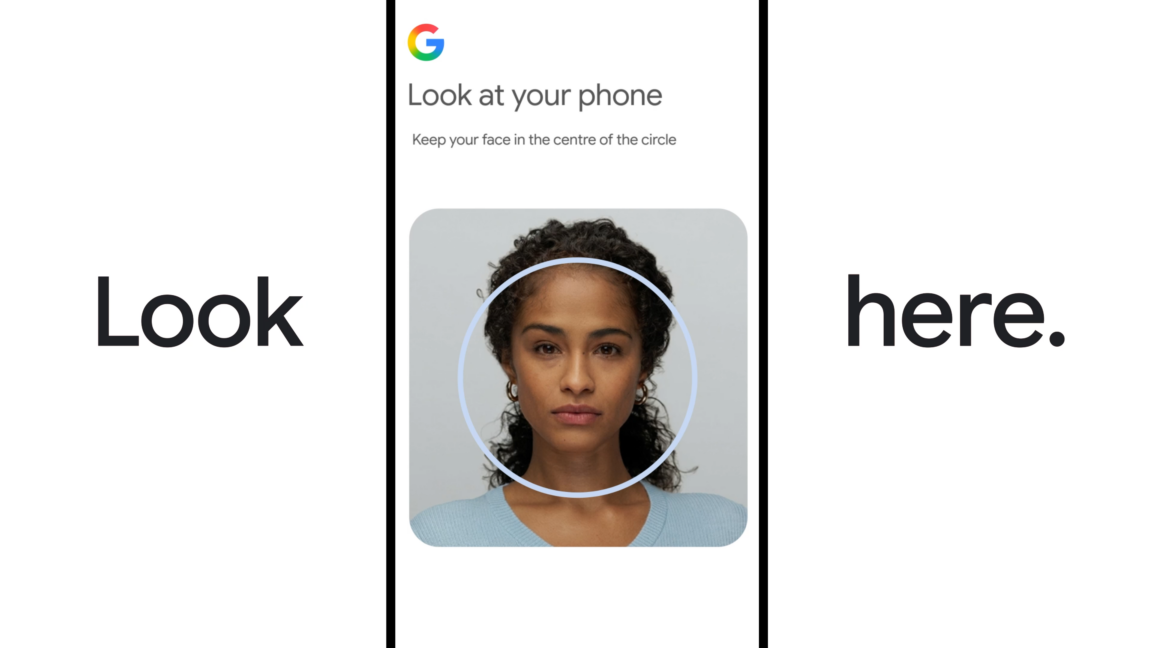
Google's Selfie Login: Convenience Meets Data Privacy Alarms
Google introduces a video selfie login, but the implications for data privacy and AI training warrant scrutiny beyond convenience

Apple's Rare Third macOS RC: Unpacking Security Concerns
Byte-Pulse explores the implications of Apple's unusual third Release Candidate for macOS updates, examining the severity of unannounced security fixes and their impact on European users

Google’s Legal Battle Against AI-Driven Cybercrime: Examining Outsider Enterprise
Google's lawsuit against Outsider Enterprise exposes differences in victim counts and sheds light on AI's role in cybercrime.
The Byte-Pulse Newsroom is the editorial system that produces Byte-Pulse's daily tech news coverage. Each story is cross-referenced across 3+ independent outlets, drafted with AI assistance by the newsroom system (Drafter → Editor → Fact-Checker → Polisher), and reviewed by Serhat Er, Editor-in-Chief, before publication. We disclose AI augmentation openly. Editorial accountability stays with the named editor on every article. Tips: editorial@byte-pulse.net.
Don’t miss these

Ugreen's 200W Charger: Powerhouse or Marketing Hype?
We analyze the Ugreen 200W charger's technical prowess, real-world utility, and the Amazon deal, highlighting its strengths and limitations

Teclast P33: A Comprehensive Review of the 90-Euro Tablet Bundle
Byte-Pulse investigates the Teclast P33 tablet's unprecedented 90-Euro bundle, dissecting its budget specs and real-world utility of its ten included accessories.

Fire Emblem: Fortune's Weave — Nintendo's Time-Bending Switch 2 RPG
Fire Emblem: Fortune's Weave redefines the series with its complex narrative, time-travel mechanics, and parallel campaign progression, launching Sept. 17, 2026, on Nintendo Switch 2.

Spotify Relaunches AI Running Mode for iOS Premium Users
Spotify's new Running Mode for iOS uses AI to sync music with your stride, but its success hinges on AI quality and user input

iOS 27 AI Tier: Latest iPhones Lock Full Potential
Byte-Pulse examines iOS 27's public beta, revealing a tiered system where 'Apple Intelligence' features are gated by chip generations and RAM, creating an uneven experience for users

Victorinox Amazon Deals: Tactics or True Value?
Byte-Pulse examines Amazon's Victorinox deals, dissecting the true value of the Swiss Card Lite and Synergy X Alox against market trends.