Signal Introduces New Alerts to Combat Phishing Attacks
New alerts for messages from unknown numbers aim to fight phishing.

Signal Introduces New Alerts to Combat Phishing Attacks
In an era where digital communication is more prevalent than ever, the security of these platforms becomes a pressing concern. Signal, renowned for its commitment to privacy and encryption, is taking significant steps to bolster its defenses against phishing attacks. This move comes in response to recent phishing efforts targeting high-profile German politicians, prompting the encrypted messaging app to introduce new alert features designed to protect its users.
New Security Measures
Phishing attacks are a growing concern, especially for platforms like Signal that cater to privacy-conscious users, including government officials and activists. Meredith Whittaker, president of Signal's parent non-profit, disclosed to German news outlet "Der Spiegel" the introduction of alerts for messages received from unknown numbers. This feature aims to provide an additional security layer, helping users identify potential phishing attempts before they engage with the message.
The recent attacks have reportedly targeted figures such as Julia Klöckner, the Bundestag President, with suspicions pointing towards Russian hackers, though no official confirmation has been made. By alerting users when receiving messages from unknown contacts, Signal hopes to mitigate the risk of phishing, a tactic that often relies on social engineering to deceive users into revealing sensitive information.
No Breach in Encryption
Despite these attacks, Signal's encryption remains robust. Whittaker has assured users that the platform's security protocols have not been compromised. "Our encryption is robust," she emphasized, pointing out that Signal's open-source code continues to show no vulnerabilities. The nature of the recent attacks highlights the persistence of social engineering as a method to bypass technical safeguards, rather than exploiting weaknesses within the software itself.
This distinction is crucial; while phishing often exploits human psychology, Signal's underlying technology remains secure. The platform's commitment to transparency through open-source code allows for ongoing scrutiny and trust within the community.
Protecting User Privacy
Signal's dedication to user privacy is a cornerstone of its philosophy. Unlike many other messaging services, Signal operates with minimal data collection. "We can't even see usernames or contacts," Whittaker remarked, underlining the app's commitment to keeping user data out of reach from both internal and external threats.
As a result, Signal cannot prevent attackers from impersonating "Signal Support" without compromising its core privacy principles. This limitation is a trade-off inherent in the company's approach to data privacy, as Signal refuses to scan content before encryption to maintain user confidentiality. Whittaker reiterated that Signal will never ask users for sensitive information such as PINs or encryption keys, reinforcing the app's dedication to safeguarding user data.
Context: Phishing in Messaging Apps
Phishing is a pervasive threat across digital communication platforms, with messaging apps often being prime targets due to their widespread use and potential access to personal information. For Signal, which is favored by high-profile users who prioritize privacy, the stakes are particularly high. The introduction of these new security measures reflects a broader industry trend towards enhancing user protection against increasingly sophisticated phishing schemes.
In the European Union, where data privacy regulations like GDPR set high standards, the need for secure communication channels is even more pronounced. Messaging apps operating in this context must navigate both technological and regulatory landscapes to ensure compliance while delivering secure services.
How it Compares
Signal's approach to security and privacy sets it apart from many of its competitors. While other messaging platforms have faced criticism for weak security measures or data privacy practices, Signal has consistently prioritized strong encryption and minimal data collection. Although some apps have implemented similar warning systems for unknown contacts, Signal's alerts are a natural extension of its rigorous privacy-first approach.
Key Features of Signal's Security Approach:
- End-to-end encryption for all messages
- Minimal data retention policies
- Open-source code for transparency
- No scanning of message content pre-encryption
These features collectively establish Signal as a leader in secure messaging, providing users with confidence in the privacy of their communications.
What's Still Unclear
While Signal's new alert system is a step in the right direction, several questions remain unanswered:
- Effectiveness: Will these alerts significantly reduce the success rate of phishing attacks on the platform?
- Future Enhancements: Are there additional security features that Signal plans to introduce in response to evolving threats?
- User Experience: How will users, especially those unfamiliar with tech nuances, react to the added step of verifying unknown contacts?
These questions highlight the ongoing challenge of balancing security with user convenience, a dilemma that all tech companies must navigate.
What This Means for You
For the average user, Signal's new security measures mean an added layer of protection against phishing. Users can expect to receive warnings when contacted by unknown numbers, prompting them to exercise caution before engaging. This feature empowers users to be proactive in their security, reducing the likelihood of falling victim to social engineering tactics.
Moreover, Signal's steadfast commitment to privacy ensures that these measures do not come at the expense of personal data. For users who prioritize secure communication, Signal remains a reliable choice.
Editorial Take
Signal's proactive stance on enhancing security is a timely response to the evolving landscape of digital threats. In a world where phishing attacks are becoming more sophisticated, the responsibility to protect user data is paramount. Signal's decision to introduce alerts for unknown numbers underscores its dedication to maintaining high standards of security and privacy.
As the digital communication space continues to evolve, Signal's actions serve as a reminder of the importance of vigilance in cybersecurity. By setting a benchmark for privacy-focused messaging, Signal not only reinforces its position as a leader in the industry but also challenges others to prioritize user protection in their services.
Discuss this story
Got a take, a correction, or a follow-up tip? Reply where you read — we read everything.
Found an error? File a correction at /corrections. Substantive corrections are logged publicly.
One short email. The most important Web & Apps news, fact-checked, no fluff. Free, unsubscribe anytime.
More from Web & Apps

Spotify Relaunches AI Running Mode for iOS Premium Users
Spotify's new Running Mode for iOS uses AI to sync music with your stride, but its success hinges on AI quality and user input
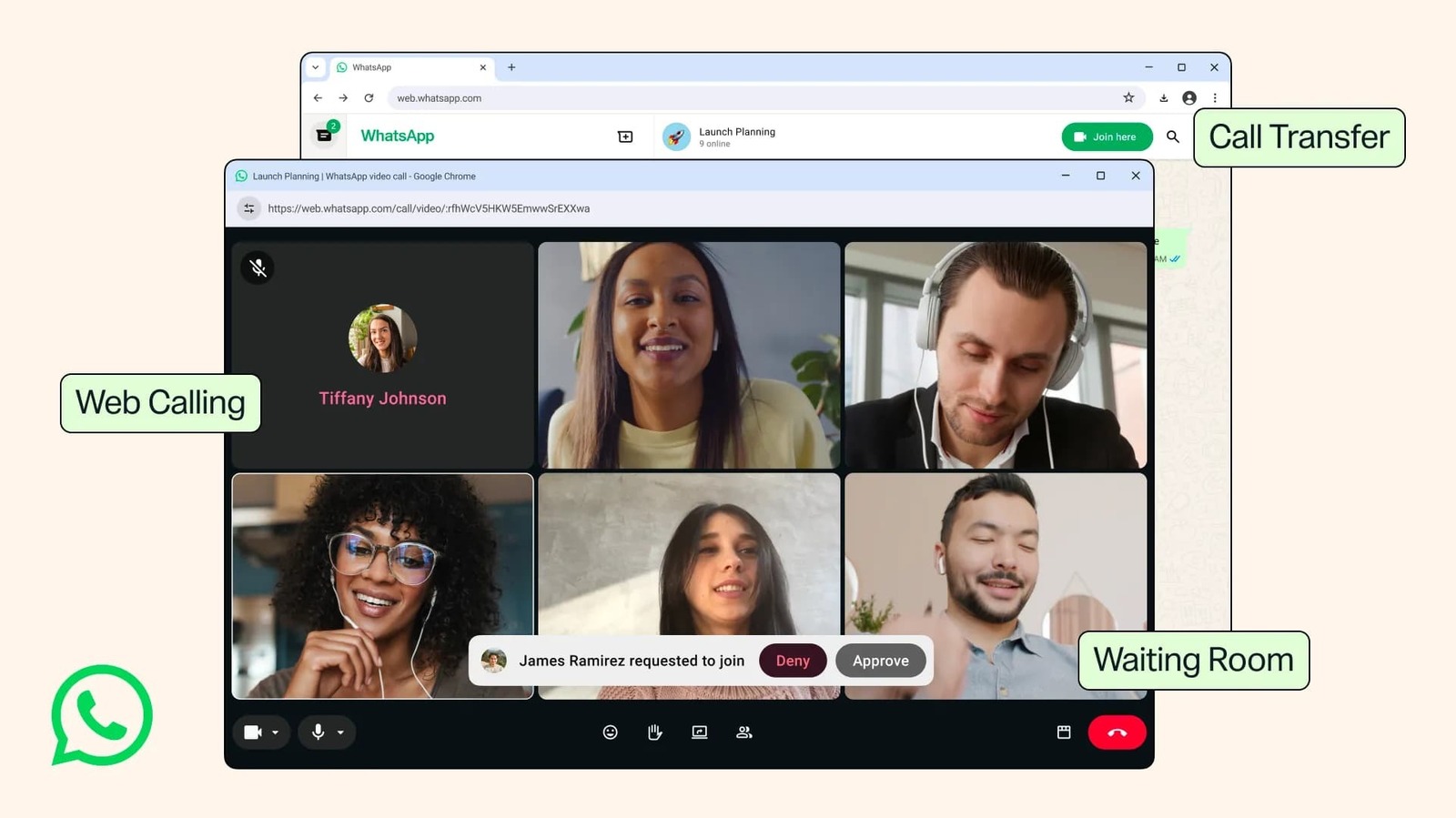
WhatsApp Web Gets Calls: Meta's Cross-Platform Play Begins
WhatsApp Web now supports encrypted calls, screen sharing, and call transfers. We dissect Meta's strategic shift and its implications for users and enterprise adoption in Europe.

Fox's $22 Billion Acquisition of Roku: A New Era in Streaming
Fox's acquisition of Roku for $22 billion marks a pivotal shift in streaming, merging content strength with platform reach.

Comparative Analysis of Global Social Media Bans for Children
As countries grapple with social media's impact on children, contrasting policies emerge. Australia and the UK lead with bans, while critics raise concerns.
The Byte-Pulse Newsroom is the editorial system that produces Byte-Pulse's daily tech news coverage. Each story is cross-referenced across 3+ independent outlets, drafted with AI assistance by the newsroom system (Drafter → Editor → Fact-Checker → Polisher), and reviewed by Serhat Er, Editor-in-Chief, before publication. We disclose AI augmentation openly. Editorial accountability stays with the named editor on every article. Tips: editorial@byte-pulse.net.
Don’t miss these

Teclast P33: A Comprehensive Review of the 90-Euro Tablet Bundle
Byte-Pulse investigates the Teclast P33 tablet's unprecedented 90-Euro bundle, dissecting its budget specs and real-world utility of its ten included accessories.

Victorinox Amazon Deals: Tactics or True Value?
Byte-Pulse examines Amazon's Victorinox deals, dissecting the true value of the Swiss Card Lite and Synergy X Alox against market trends.

Fire Emblem: Fortune's Weave — Nintendo's Time-Bending Switch 2 RPG
Fire Emblem: Fortune's Weave redefines the series with its complex narrative, time-travel mechanics, and parallel campaign progression, launching Sept. 17, 2026, on Nintendo Switch 2.

eBay's $55.7M Cyberstalking Settlement: A Corporate Culture of Coercion Exposed
Byte-Pulse investigates the eBay cyberstalking case, revealing a disturbing harassment campaign, executive involvement, and the broader implications for corporate ethics.

iOS 27 AI Tier: Latest iPhones Lock Full Potential
Byte-Pulse examines iOS 27's public beta, revealing a tiered system where 'Apple Intelligence' features are gated by chip generations and RAM, creating an uneven experience for users

Apple's Privacy-First Smart Glasses: A Calculated Entry for 2027
Apple's smart glasses, set to launch in 2027, will focus on on-device privacy, diverging from Meta's approach and aiming to redefine the product category