Xbox Controllers Drop Chatpad Port
Microsoft quietly removes the proprietary accessory port from its latest Xbox gamepads.

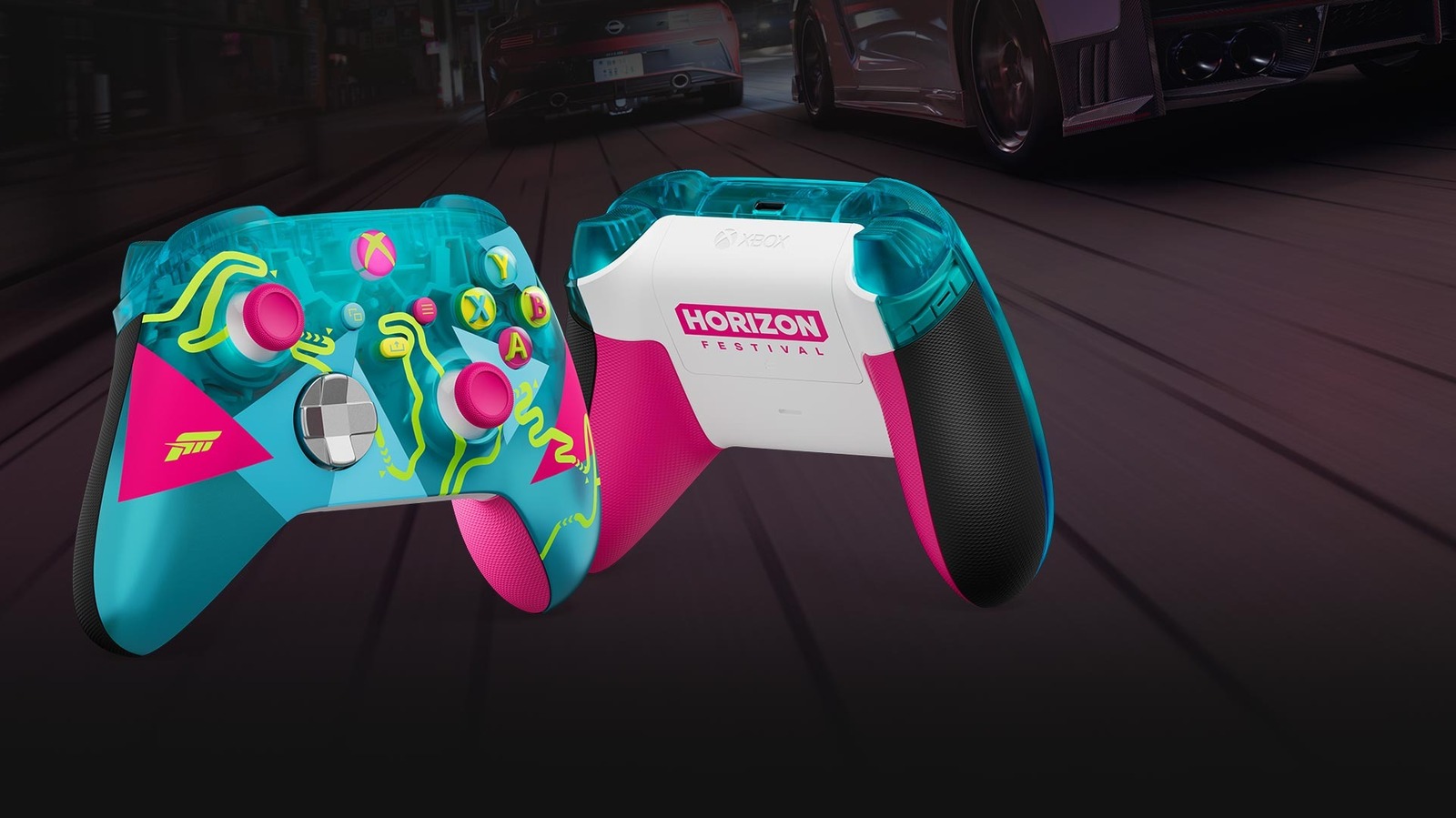
Microsoft's done it. They've made a notable change to their Xbox controllers, removing that proprietary expansion port, you know, the Chatpad one. It's a move that’s been on the horizon for some time. Social media lit up when the new [Forza Horizon 6](/article/forza-horizon-6-leaks-early-playground-games-issues-ban-warnings) gamepad was spotted without the connection. Leaked images of the anticipated Xbox Elite Controller Series 3 further confirmed what many had suspected. More subtly, the Xbox Wireless Controller store page was updated, quietly noting that not all versions include the port.
This removal? It pretty much marks the end of an era for Xbox accessories. The Chatpad, back in the Xbox One days, was a big deal for many gamers. It offered a quick-access keyboard and programmable buttons, enhancing the gaming experience significantly. For those who spent countless hours navigating the Xbox Live interface or sending messages, the Chatpad was a lifesaver. But let's be honest, Microsoft hasn't produced new accessories for the port since the current console generation began, signaling a shift in strategy.
The Writing's Been on the Wall
The Xbox Series X and S controllers retained these expansion ports, but they sat there, largely unused. This recent move aligns with Microsoft's broader strategy to streamline controller functionality. Why maintain an outdated port when there's already a 3.5mm jack for headsets? Plus, the Xbox app efficiently handles typing functions, making the need for a physical keyboard less critical.
This shift reflects a broader industry trend. Over in the European gaming market, there's a clear preference for more integrated, less accessory-dependent hardware. Microsoft's strategy here seems to follow in the footsteps of PlayStation, which has long focused on a unified design, minimizing reliance on separate add-ons. The removal of the port also suggests a cost-saving measure. Those savings could be redirected into developing other innovative features or maintaining competitive pricing against rivals like Nintendo, known for its unique accessory lineup.
What This Means for You
If you're a fan of Xbox's accessory ecosystem, you might find this change a bit of a disappointment. The Chatpad, despite its age, was still appreciated by a section of the gaming community. However, for most gamers, this removal is unlikely to impact daily use significantly. The built-in features of current controllers cover most needs efficiently. Keep an eye on the horizon, though—this change could herald new controller innovations or perhaps, eventual price adjustments as Microsoft reallocates resources more strategically.
Imagine a typical gaming session today. You're settling down for an evening of Forza Horizon 6, and your controller feels just right in your hands. No need to fumble with an additional accessory for chatting or controlling your media. With the Xbox app on your phone, typing messages or searching for games is seamless and efficient. The integrated audio jack ensures your headset is ready for those intense multiplayer sessions. It's a smoother experience, designed to keep you immersed in the game rather than the hardware.
What's Still Unclear
Several questions linger in the wake of this decision. Will Microsoft introduce new accessories with different connections? The potential exists, but only time will tell. Another consideration is the impact on third-party accessory makers. These companies have historically thrived by offering solutions that fill gaps left by official hardware. With the Chatpad port gone, will they pivot to new innovations or face a reduced market?
Is there a strategic reason beyond just saving a buck? Microsoft's decision might reflect a longer-term vision for the Xbox ecosystem. By simplifying hardware, they might be aiming to reduce complexity and improve reliability, ensuring that every component serves a clear purpose. This could be part of a broader push towards cloud gaming and digital ecosystems, where physical accessories become less central to the experience.
Why This Matters
Microsoft just killed the Xbox controller expansion port, signaling a focus on core features. It's a clear indication of the company's direction—simplifying gaming hardware while pushing for innovation elsewhere. This is part of a bigger trend in the gaming industry where companies like Microsoft need to balance the legacy of older accessories with modern demands and technological advancements.
In a world where digital and cloud-based gaming services are gaining traction, the necessity for physical add-ons may diminish. Microsoft, like its competitors, must remain agile, ensuring they keep pace with evolving consumer expectations while maintaining a competitive edge. This decision, while seemingly small, is part of a larger strategy to streamline experiences and potentially invest in future technologies that will define the next generation of gaming.
As the gaming landscape continues to evolve, it's crucial for companies to anticipate changes in user behavior and technological capabilities. This move by Microsoft could well be a precursor to more significant changes, hinting at a future where gaming is more about the software and services than the hardware itself. And for gamers, it means adapting to an ever-changing environment where innovation is constant and the next big thing is always just around the corner.
Best-selling controllers, headsets and storage for your next session.
Shop gaming gear →Discuss this story
Got a take, a correction, or a follow-up tip? Reply where you read — we read everything.
Found an error? File a correction at /corrections. Substantive corrections are logged publicly.
One short email. The most important Gaming news, fact-checked, no fluff. Free, unsubscribe anytime.
More from Gaming

Pokémon TCG Movie Signals Strategic Media Pivot for The Pokémon Company
A new Pokémon movie focused on the TCG is coming in 2027, marking a strategic pivot for the franchise as it navigates massive global fan engagement and logistical challenges.

GTA 6's Realism Gamble: Will Player Patience Pay Off?
Byte-Pulse examines GTA 6's shift to ultra-realism, from complex Wanted systems to car refueling, and questions if 'ambition' justifies potential player friction.

Rockstar's Netflix Gambit: A 'New Thing' or Calculated Content Gate?
Rockstar Games initiated the Netflix exclusive 'extended look' for GTA 6, drawing ire from fans. We dissect the strategy and its implications.

GTA VI: Beyond the Hype - Costs, Console Choices, and Cyber Threats
Byte-Pulse examines GTA VI's colossal scope, the practicalities of console choice, and the digital dangers lurking beneath the launch hype.
The Byte-Pulse Newsroom is the editorial system that produces Byte-Pulse's daily tech news coverage. Each story is cross-referenced across 3+ independent outlets, drafted with AI assistance by the newsroom system (Drafter → Editor → Fact-Checker → Polisher), and reviewed by Serhat Er, Editor-in-Chief, before publication. We disclose AI augmentation openly. Editorial accountability stays with the named editor on every article. Tips: editorial@byte-pulse.net.
Don’t miss these
Asus ROG Phone 9 vs Sony Xperia 1 VII: Which Niche Flagship Earns Your Money?
Deciding between the gaming-focused ROG Phone 9 and the creator-centric Xperia 1 VII? This guide breaks down every spec to help you choose.
Proton VPN vs NordVPN: Which One Earns Your Subscription?
A deep dive into Proton VPN and NordVPN, comparing their privacy, performance, features, and value, helping you make an informed decision.
Perplexity Pro vs ChatGPT Plus: Which AI Assistant Fits Your Workflow?
This guide lays out the strengths and approaches of Perplexity Pro and ChatGPT Plus, helping you identify which AI assistant aligns with your specific needs.

Apple's AI Pivot: Vision Pro Content Cut, Siri Rebuilt Amid Layoffs
Apple's latest layoffs signal a strategic pivot, dialing back high-cost Vision Pro content while re-tooling Siri for the AI era. What's next for Apple?

D23 2026: Disney's Content Deluge Sparks Questions About Strategy
Byte-Pulse cuts through D23 hype: We dissect Disney's ambitious content slate, from Simpsons: Hit & Run to Ahsoka season 2, and question the real-world implications and European market strategy.
Honor Magic 8 Pro vs Samsung Galaxy S26 Ultra: Which Future Flagship Fits Your Wallet and Workflow?
Deciding between the anticipated Honor Magic 8 Pro and Samsung Galaxy S26 Ultra? Our deep dive into expected specs and features provides the fair comparison you need.