Xiaomi 18 Pro Max vs. Motorola Edge 70 Pro+: A Comprehensive Camera Comparison
A detailed look at the contrasting camera capabilities of Xiaomi's flagship and Motorola's established offering.

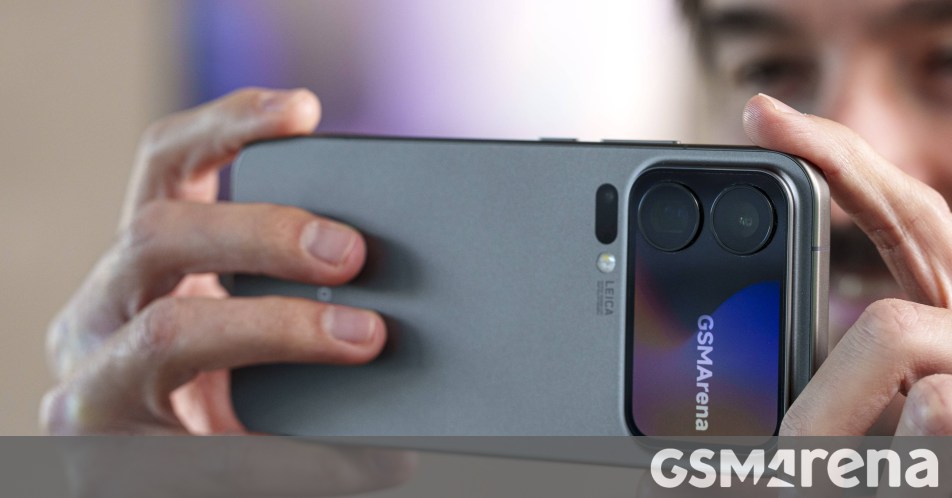
Xiaomi 18 Pro Max vs. Motorola Edge 70 Pro+: A Camera Showdown
Xiaomi 18 Pro Max Sets a New Standard with Dual 200MP Cameras
The Xiaomi 18 Pro Max is poised to redefine smartphone photography with its groundbreaking camera capabilities. At the forefront is its dual 200MP camera system, which includes a main camera and a 200MP periscope telephoto camera. This telephoto lens is equipped with a 3x optical zoom and an f/2.4 aperture, marking a significant leap from its predecessor, the Xiaomi 17 Pro Max. The previous model featured a single 50MP main camera along with a 50MP periscope offering 5x optical zoom. Additionally, the new telephoto lens enhances macro photography, with a minimum focus distance reduced to 15cm from the former 30cm. This upgrade effectively positions the Xiaomi 18 Pro Max as a compelling choice for photography enthusiasts who prioritize detail and versatility.
Real-World Performance: Still an Open Question
However, the jump in megapixels raises questions about real-world performance. While on paper the specs are impressive, anyone who's shipped hardware knows that higher megapixels don't automatically translate into better photos. Factors like sensor quality, lens construction, and image processing software play crucial roles. The real test for Xiaomi will be how these dual 200MP sensors perform in everyday scenarios, such as low-light conditions, fast-moving subjects, and various lighting environments.
Motorola Edge 70 Pro+: A Familiar Camera Setup
In contrast, the Motorola Edge 70 Pro+ takes a more traditional approach to its camera configuration. It features a 50MP main camera with a Sony LYTIA-710 sensor, an f/1.8 aperture, and optical image stabilization (OIS). These specs are robust and reliable, but they don't match the headline-grabbing megapixel counts of the Xiaomi. The Edge 70 Pro+ also includes a 50MP telephoto lens with 3.5x optical zoom, a 50MP ultrawide lens, and a 50MP front-facing sensor. This setup is tailored for users who value reliability and consistency over the latest trends.
The Philosophy of Reliability
Motorola's focus on a dependable camera setup suggests a strategy that emphasizes user satisfaction and brand loyalty. It's a strategy that appeals to consumers who prioritize consistent performance and are less swayed by the allure of high-resolution specs. The Edge 70 Pro+ offers a well-rounded camera system that may not push the boundaries of innovation but ensures reliability, a factor often underestimated in the tech world.
Diverging Camera Technologies
The divergence in camera technologies between these two smartphones is striking and highlights two different philosophies in smartphone photography. Xiaomi's push towards high-resolution sensors underscores a commitment to capturing high-quality images, even in challenging conditions. The inclusion of advanced macro capabilities indicates a target audience keen on detailed photography, possibly attracting users interested in professional-grade mobile photography.
Compared to: Xiaomi 17 Pro Max vs. Motorola Edge 70 Pro
Comparing these devices to their predecessors provides additional context. The Xiaomi 17 Pro Max, with its single 50MP main and periscope cameras, set a solid foundation but didn't push the envelope in terms of resolution. On the other hand, the Motorola Edge 70 Pro, which preceded the 70 Pro+, already offered a reliable 50MP main shooter with OIS and similar telephoto capabilities. While the Edge 70 Pro+ continues this legacy, Xiaomi's latest model makes a bold leap in resolution, reflecting a shift towards catering to a market segment that craves innovation over incremental upgrades.
Evaluating Camera Features: Xiaomi vs. Motorola
When evaluating the camera features of these devices, Xiaomi's daring approach could potentially attract a new demographic of smartphone photographers. The dual 200MP sensors promise unparalleled image quality, but the question remains whether they can deliver consistently in day-to-day use. For instance, will these high-resolution sensors provide noticeable improvements in night photography or fast-action shots, where many smartphone cameras struggle? Meanwhile, Motorola’s Edge 70 Pro+ relies on its proven specs and existing user base rather than chasing the latest technological trends. This approach may appeal more to users who prefer a reliable device over cutting-edge features.
Real Daily-Use Scenario
Consider a day in the life of a user who relies heavily on their smartphone camera. Perhaps they are a travel blogger capturing stunning landscapes or a parent documenting family moments. For a Xiaomi 18 Pro Max user, the dual 200MP cameras might offer the ability to capture expansive scenes with incredible detail, or zoom in on distant subjects without losing clarity. However, if the image processing software isn't up to par, those high-resolution images could suffer from noise or poor color accuracy. On the other hand, a Motorola Edge 70 Pro+ user might enjoy consistent performance across various scenarios, with the OIS on the main camera delivering sharp images even in less-than-ideal lighting.
Implications for Consumers: Megapixels vs. Proven Specs
For consumers, the choice between the Xiaomi 18 Pro Max and Motorola Edge 70 Pro+ hinges on personal preference and priorities. If you're drawn to high-resolution photography and innovative features, the Xiaomi 18 Pro Max is designed to capture stunning images, focusing on detail and versatility. It's a phone for those who want to push the limits of what's possible with mobile photography. Conversely, if you value a reliable camera system with a proven track record, the Motorola Edge 70 Pro+ might be more appealing. It offers a dependable performance that won't let you down, even if it doesn't boast the latest and greatest specs.
What This Means for You
Choosing between these two devices means deciding what matters most to you in a smartphone camera. If you often find yourself zooming in on distant subjects or needing detailed close-ups, the Xiaomi 18 Pro Max might be worth the investment. However, if you prioritize a device that consistently delivers good photos across a range of conditions, the Motorola Edge 70 Pro+ offers peace of mind.
What's Still Unclear
Despite the impressive specs on the Xiaomi 18 Pro Max, several questions remain unanswered. Will the dual 200MP sensors significantly improve everyday photography, or are they more of a marketing gimmick? The durability and performance of these cameras in different environments, such as low-light settings or fast-moving scenes, are still unknown. For the Motorola Edge 70 Pro+, while its camera system is well-regarded, its lack of innovation raises concerns about its competitive edge against newer models with advanced features.
The Importance of This Comparison
The competition between Xiaomi and Motorola mirrors broader trends in the smartphone market, where innovation and specs often drive consumer choices. As brands push boundaries in camera technology, buyers must weigh these advancements against the reliability of established products. This comparison not only helps potential buyers make informed decisions but also showcases the ongoing evolution of smartphone photography, pushing the limits of what mobile devices can do.
A Closing Take
In a world where smartphone cameras are a key selling point, the Xiaomi 18 Pro Max and Motorola Edge 70 Pro+ offer two distinct paths. Xiaomi's focus on high-resolution sensors represents a bold step forward in mobile photography, while Motorola's emphasis on reliability and proven performance appeals to those who value consistency. As the market continues to evolve, consumers will have to decide whether they want to be on the cutting edge of technology or stick with a trusted, reliable device.
Sources cross-referenced
This story was synthesised from reporting by 3 outlets:
Cases, chargers and AirPods alternatives the editors actually use.
Shop mobile gear →Discuss this story
Got a take, a correction, or a follow-up tip? Reply where you read — we read everything.
Found an error? File a correction at /corrections. Substantive corrections are logged publicly.
One short email. The most important Mobile news, fact-checked, no fluff. Free, unsubscribe anytime.
More from Mobile
Asus ROG Phone 9 vs Sony Xperia 1 VII: Which Niche Flagship Earns Your Money?
Deciding between the gaming-focused ROG Phone 9 and the creator-centric Xperia 1 VII? This guide breaks down every spec to help you choose.
Honor Magic 8 Pro vs Samsung Galaxy S26 Ultra: Which Future Flagship Fits Your Wallet and Workflow?
Deciding between the anticipated Honor Magic 8 Pro and Samsung Galaxy S26 Ultra? Our deep dive into expected specs and features provides the fair comparison you need.
Xiaomi 16 Pro vs iPhone 18 Pro: Which Flagship Fits Your World?
Deciding between the Xiaomi 16 Pro and iPhone 18 Pro? We break down every spec and trade-off, so you can make the choice that's right for you.
Motorola Edge 60 Ultra vs OnePlus 13: Which Android Flagship Fits Your Priorities?
Motorola Edge 60 Ultra and OnePlus 13 both aim for top-tier Android. We cut through the marketing to reveal the true differences, helping you choose.
The Byte-Pulse Newsroom is the editorial system that produces Byte-Pulse's daily tech news coverage. Each story is cross-referenced across 3+ independent outlets, drafted with AI assistance by the newsroom system (Drafter → Editor → Fact-Checker → Polisher), and reviewed by Serhat Er, Editor-in-Chief, before publication. We disclose AI augmentation openly. Editorial accountability stays with the named editor on every article. Tips: editorial@byte-pulse.net.
Don’t miss these
NVIDIA RTX 4070 Ti Super vs. RTX 5070 (Rumored): The 'Buy Now or Wait' Dilemma
Deciding between a powerful current-gen GPU and the promise of next-gen performance requires a clear-eyed look at immediate needs versus future potential. This guide lays out the trade-offs.
Proton VPN vs NordVPN: Which One Earns Your Subscription?
A deep dive into Proton VPN and NordVPN, comparing their privacy, performance, features, and value, helping you make an informed decision.
Perplexity Pro vs ChatGPT Plus: Which AI Assistant Fits Your Workflow?
This guide lays out the strengths and approaches of Perplexity Pro and ChatGPT Plus, helping you identify which AI assistant aligns with your specific needs.

Pokémon TCG Movie Signals Strategic Media Pivot for The Pokémon Company
A new Pokémon movie focused on the TCG is coming in 2027, marking a strategic pivot for the franchise as it navigates massive global fan engagement and logistical challenges.

D23 2026: Disney's Content Deluge Sparks Questions About Strategy
Byte-Pulse cuts through D23 hype: We dissect Disney's ambitious content slate, from Simpsons: Hit & Run to Ahsoka season 2, and question the real-world implications and European market strategy.
RTX 5060 Ti vs RX 9060 XT: Which Mid-Range Powerhouse Fits Your Rig?
Deciding between the rumored RTX 5060 Ti and RX 9060 XT? This guide cuts through the noise to highlight the real-world trade-offs for gamers and creators.