AI-Colorized Ansel Adams Photo Sparks Trust's Backlash
Trust condemns unauthorized AI use of 'Moonrise, Hernandez' at AIPAD show.

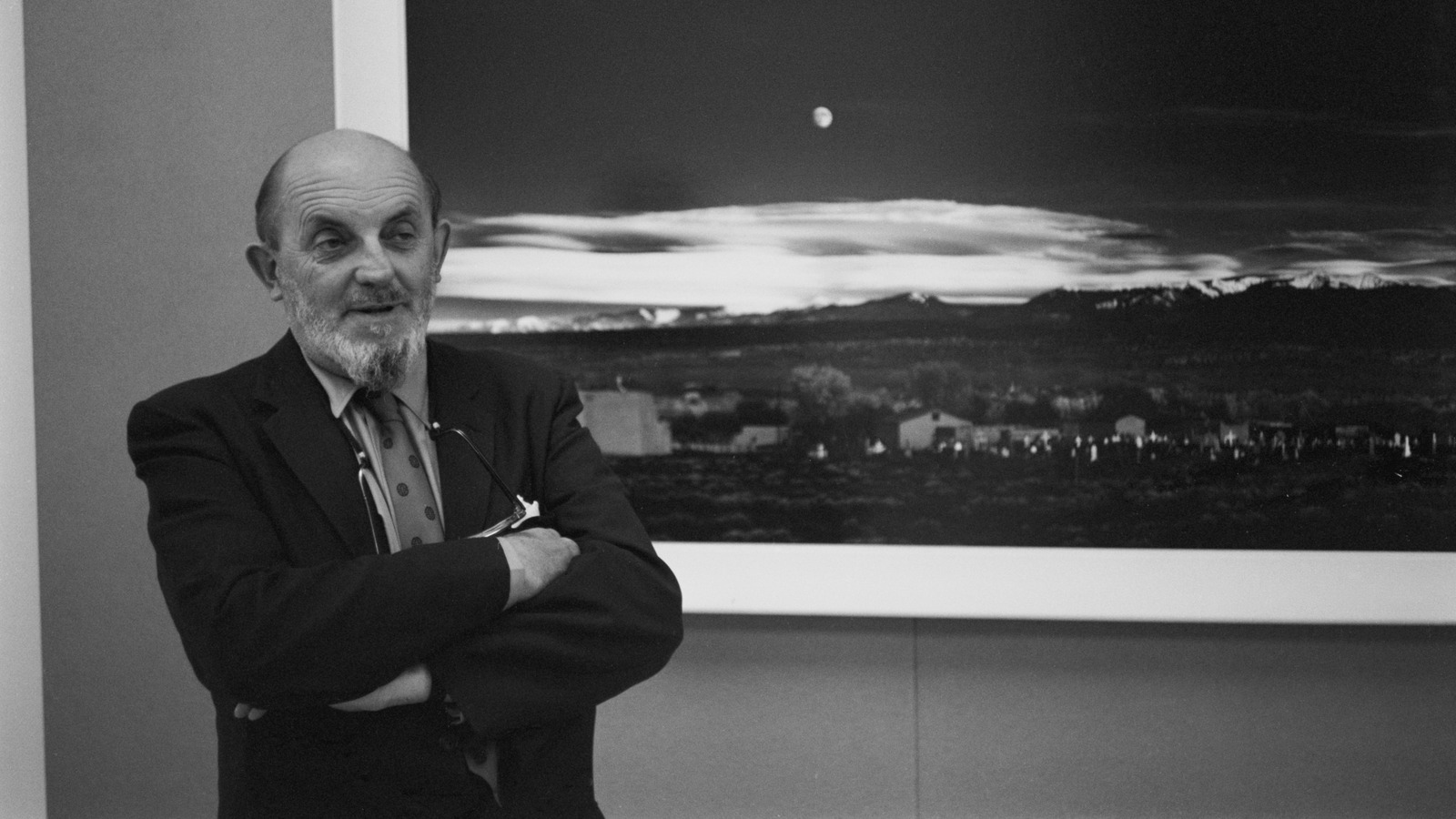
An AI-colorized Ansel Adams photo? That's what sparked a major dust-up at the recent AIPAD Photography Show. An AI-generated color take on Adams' iconic "Moonrise, Hernandez, New Mexico" showed up, reportedly for sale by Danziger Gallery. The Ansel Adams Publishing Rights Trust? They hit back hard. A stern statement, condemning the unauthorized display, condemning the use of Adams' name. It's a fresh flashpoint in the ongoing debate about AI and art, especially with historical works.
The Trust's Take
Here's the kicker: The Trust, which manages Adams' rights, isn't actually against AI itself. Not at all. Their issue? Zero consent. Zero attribution. "The Trust was not consulted or notified before the work appeared," they said. A clear violation of ethical and professional standards, plain and simple. They contacted James Danziger, asked him to pull the piece from the show. But Danziger, it's alleged, kept using Adams' name. For what? A proposed commercial gig, colorizing other artists' work with AI. Pretty bold, right?
This isn't just about one photo. Ansel Adams, renowned for his black-and-white landscapes, built a legacy on his meticulous control of detail and tonality. His photographs are not just images; they're a testament to a particular vision and mastery over medium and process. The Trust's reaction underscores their commitment to preserving that integrity against unauthorized alterations, particularly when they are used to sell or market new works. The Trust's statement called this episode "a gross failure of ethical and professional judgment," pointing to deeper issues of respect and ownership in the digital age.
Ethical Minefield
Sure, AI could really transform photography. Adams himself, they say, was pretty excited about new tech. He was a pioneer in using cutting-edge technology for his time, experimenting with different photographic processes to achieve his artistic goals. But when you throw in AI, questions pop up. Intellectual property. Artistic integrity. The Trust didn't mince words, calling it "a gross failure of ethical and professional judgment." Do we need clearer rules for AI in art? You bet.
The ethical quandary here is not just theoretical. AI's ability to reinterpret or modify existing works raises significant concerns about the sanctity of the original artist's intent. Ansel Adams' meticulous attention to the nuances of grayscale in his images was a deliberate artistic choice. Colorizing these images with AI not only alters the visual experience but could also mislead audiences about the original work's meaning and context. This is where the conversation about AI's role in art becomes crucial: Should technology have the power to rewrite the artist's original narrative?
Industry's Tight Spot
This isn't some one-off. The art world's actually struggling with how AI tech crashes into traditional media. Over in Europe, the talk about AI's role in creative industries is getting loud. The EU is even looking at regulations that could hit AI's use in art and other sectors. It's all part of a bigger conversation: How do we govern AI tools? Protect artists' rights? And still let new ideas flourish?
Recent discussions in the European Union about AI regulation suggest a growing awareness of these issues. The EU's proposed regulations aim to balance technological innovation with the protection of intellectual property rights. This reflects a broader trend in legislative circles aiming to preemptively tackle the complexities AI introduces to creative fields. In the U.S., similar conversations are unfolding, albeit at a slower pace, highlighting the global struggle to align legal frameworks with rapid technological advancements.
What It Means For You
So, what's this mean for collectors? For art lovers? Be careful. Seriously. Always check the provenance of AI-enhanced stuff. Thinking of buying AI-modified art? Make damn sure the creators got the right permissions. This whole mess also points to potential legal changes. Especially how AI gets used in creative fields, particularly in Europe.
For collectors, this incident serves as a cautionary tale. As AI becomes more prevalent in art, ensuring authenticity and proper attribution becomes increasingly crucial. Buyers must be diligent, verifying that any AI-modified or AI-generated art they purchase is accompanied by appropriate permissions and acknowledgments. This not only safeguards their investment but also respects the rights and intentions of original creators.
Still Hazy
Plenty of questions still hang in the air. Legal fallout for using Adams' work without permission? We don't know yet. How will this incident impact future AI art shows? Good question. And honestly, how will the industry balance innovation with respecting original artists? That's the big one.
Despite the immediate backlash from the Adams Trust, the long-term implications remain uncertain. Will there be legal repercussions for using Adams' work without explicit consent, or will this incident merely influence future industry practices? The art world is watching closely, as the outcome may set a precedent for how similar cases are handled in the future.
Why It Matters
"AI Alters Art, Sparks Ethical Debate." It's not just a headline. This Adams incident perfectly shows the tough challenges facing the art world. AI's here, it's getting bigger. Our ethical and legal rules? They've gotta catch up. We need to make sure innovation doesn't trash artistic integrity. Period.
This situation serves as a critical reminder of the need for ongoing dialogue between technology developers, artists, and legal experts. As AI continues to evolve, so too must our approaches to managing its impact on art and creativity. Ensuring that technological advancements enhance rather than diminish the value of original art will be key to maintaining trust and respect within the creative community.
Ultimately, this isn't just about one colorized photograph; it's about the future of how we define, create, and interact with art in an era increasingly influenced by artificial intelligence. Whether through new laws, industry standards, or ethical guidelines, the conversation sparked by this incident is just beginning, and its outcomes will shape the landscape of art for years to come.
Discuss this story
Got a take, a correction, or a follow-up tip? Reply where you read — we read everything.
Found an error? File a correction at /corrections. Substantive corrections are logged publicly.
One short email. The most important AI news, fact-checked, no fluff. Free, unsubscribe anytime.
More from AI
Perplexity Pro vs ChatGPT Plus: Which AI Assistant Fits Your Workflow?
This guide lays out the strengths and approaches of Perplexity Pro and ChatGPT Plus, helping you identify which AI assistant aligns with your specific needs.
Claude Pro vs Google Gemini Advanced: Which AI Assistant Deserves Your Subscription?
This definitive guide cuts through the marketing to give you a fair, balanced breakdown of Claude Pro and Gemini Advanced, letting you decide which AI best fits your workflow.
Claude Pro vs Google Gemini Advanced: Which AI Actually Earns Your Subscription?
Byte-Pulse lays out the real trade-offs between Claude Pro and Google Gemini Advanced, helping you pick the AI that fits your workflow, without picking for you.
ChatGPT Plus vs Google Gemini Advanced: Which AI Assistant Fits Your Workflow?
Deciding between ChatGPT Plus and Google Gemini Advanced? We break down the models, features, integrations, and pricing to help you align your choice with your specific priorities.
The Byte-Pulse Newsroom is the editorial system that produces Byte-Pulse's daily tech news coverage. Each story is cross-referenced across 3+ independent outlets, drafted with AI assistance by the newsroom system (Drafter → Editor → Fact-Checker → Polisher), and reviewed by Serhat Er, Editor-in-Chief, before publication. We disclose AI augmentation openly. Editorial accountability stays with the named editor on every article. Tips: editorial@byte-pulse.net.
Don’t miss these
Asus ROG Phone 9 vs Sony Xperia 1 VII: Which Niche Flagship Earns Your Money?
Deciding between the gaming-focused ROG Phone 9 and the creator-centric Xperia 1 VII? This guide breaks down every spec to help you choose.
Proton VPN vs NordVPN: Which One Earns Your Subscription?
A deep dive into Proton VPN and NordVPN, comparing their privacy, performance, features, and value, helping you make an informed decision.

Pokémon TCG Movie Signals Strategic Media Pivot for The Pokémon Company
A new Pokémon movie focused on the TCG is coming in 2027, marking a strategic pivot for the franchise as it navigates massive global fan engagement and logistical challenges.

Apple's AI Pivot: Vision Pro Content Cut, Siri Rebuilt Amid Layoffs
Apple's latest layoffs signal a strategic pivot, dialing back high-cost Vision Pro content while re-tooling Siri for the AI era. What's next for Apple?

D23 2026: Disney's Content Deluge Sparks Questions About Strategy
Byte-Pulse cuts through D23 hype: We dissect Disney's ambitious content slate, from Simpsons: Hit & Run to Ahsoka season 2, and question the real-world implications and European market strategy.
Honor Magic 8 Pro vs Samsung Galaxy S26 Ultra: Which Future Flagship Fits Your Wallet and Workflow?
Deciding between the anticipated Honor Magic 8 Pro and Samsung Galaxy S26 Ultra? Our deep dive into expected specs and features provides the fair comparison you need.