Italy Dismantles CINEMAGOAL, €300M Streaming Piracy Ring
Italian police disrupt a major piracy app siphoning streaming access codes, causing significant financial losses.


Title: Italy Dismantles CINEMAGOAL, €300M Streaming Piracy Ring
In a significant blow to digital piracy, Italian authorities have successfully dismantled a sophisticated piracy operation centered around the CINEMAGOAL app. This operation provided unauthorized access to popular streaming platforms such as Netflix, Disney+, and Spotify, impacting the revenue streams of these major content providers significantly.
The Operation: Tutto Chiaro
The Italian law enforcement agency, Guardia di Finanza, spearheaded a large-scale anti-piracy operation named 'Tutto Chiaro' (All Clear). This operation, a testament to their commitment to combating digital crime, involved meticulous planning and execution. During the operation, 100 searches were conducted nationwide, leading to the seizure of materials crucial for identifying individuals involved in the piracy network. The investigation revealed that the operators of CINEMAGOAL potentially amassed millions of euros in illicit profits through audiovisual piracy and unauthorized access to computer systems. The scale of the operation reflects the extensive network and the sophisticated methods employed by the perpetrators.
How CINEMAGOAL Operated
CINEMAGOAL distinguished itself from typical IPTV services by using a stealthier approach. Unlike conventional piracy platforms that often rely on simple retransmission of streams, CINEMAGOAL connected directly to legitimate streaming services. This was achieved by utilizing valid decryption codes sourced from foreign servers. These codes were captured by virtual machines in Italy every three minutes and redistributed to CINEMAGOAL’s customers, providing them with high-quality streams that masked their real IP addresses. This not only bypassed the conventional security measures of streaming platforms but also offered users a seamless experience, making it difficult to trace and shut down.
Guardia di Finanza described the system as 'highly advanced,' capable of bypassing security blocks while enhancing streaming quality, thereby minimizing the risk of detection for end users. This level of sophistication underscores the growing challenge authorities face in staying ahead of technological advancements in piracy.
International Coordination and Financial Impact
The operation against CINEMAGOAL was coordinated by Eurojust, a crucial player in facilitating international judicial cooperation in criminal matters within the EU. Their involvement led to the seizure of servers in France and Germany that housed the app’s source code and decoding functions. The illegal business involved over 70 resellers who sold annual subscriptions priced between €40 and €130, with payments processed through cryptocurrencies and foreign bank accounts. This method of payment not only facilitated easy transactions across borders but also posed a challenge in tracking the money flow.
The piracy network reportedly caused damages of approximately €300 million in unpaid subscription revenues. To put this into perspective, this amount could cover the annual budget for original content production for several streaming services, highlighting the substantial economic threat posed by such operations.
Context: European Piracy Challenges
This crackdown highlights the ongoing challenges European countries face in combating digital piracy. With platforms such as Netflix and Spotify being popular across Europe, the potential financial impact of such piracy operations is significant. Similar operations have been seen across the EU, with authorities striving to protect intellectual property rights and secure digital economies. This task is made more complex by the international nature of digital piracy, which often involves cross-border collaborations.
What This Means for You
For consumers, this serves as a cautionary tale against engaging with unauthorized streaming services. Not only does it support illegal activities, but users risk facing substantial penalties. The legal repercussions for end users have already begun, with fines ranging from €154 to €5,000 issued to the first 1,000 identified subscribers. This punitive action underscores the seriousness with which authorities are treating digital piracy and serves as a deterrent to potential users of such services.
Using legitimate streaming services not only supports creators but also ensures a secure and legal viewing experience. Legitimate services invest heavily in content creation, providing diverse and high-quality entertainment options. By subscribing to legitimate platforms, consumers contribute to the sustainability of the entertainment industry, ensuring continued access to high-quality content.
What's Still Unclear
Several aspects of the CINEMAGOAL operation remain under investigation. Authorities are still in the process of identifying all involved parties and determining the full scope of the operation's profits. The future legal proceedings against those involved, particularly international collaborators, are yet to be detailed. This ongoing investigation highlights the complexity of dismantling such networks and the time required to unravel their full extent.
Why This Matters
"Italy's takedown of CINEMAGOAL underscores the complex fight against digital piracy in the tech age." The operation reveals the sophisticated methods employed by piracy networks and the significant economic impact on legitimate businesses. It also highlights the importance of international cooperation in addressing global cybersecurity issues. In an era where digital content consumption is at an all-time high, safeguarding intellectual property rights is crucial for the continued growth and innovation within the digital entertainment industry.
The dismantling of CINEMAGOAL is a reminder of the ongoing battle against piracy and the need for continuous advancements in security technologies. It is a call to action for all stakeholders involved to collaborate and develop more effective strategies to combat piracy, ensuring the protection of intellectual property and the fair remuneration of artists and creators.
Hardware keys and password managers used by security pros.
Shop security gear →Discuss this story
Got a take, a correction, or a follow-up tip? Reply where you read — we read everything.
Found an error? File a correction at /corrections. Substantive corrections are logged publicly.
One short email. The most important Security news, fact-checked, no fluff. Free, unsubscribe anytime.
More from Security

eBay's $55.7M Cyberstalking Settlement: A Corporate Culture of Coercion Exposed
Byte-Pulse investigates the eBay cyberstalking case, revealing a disturbing harassment campaign, executive involvement, and the broader implications for corporate ethics.
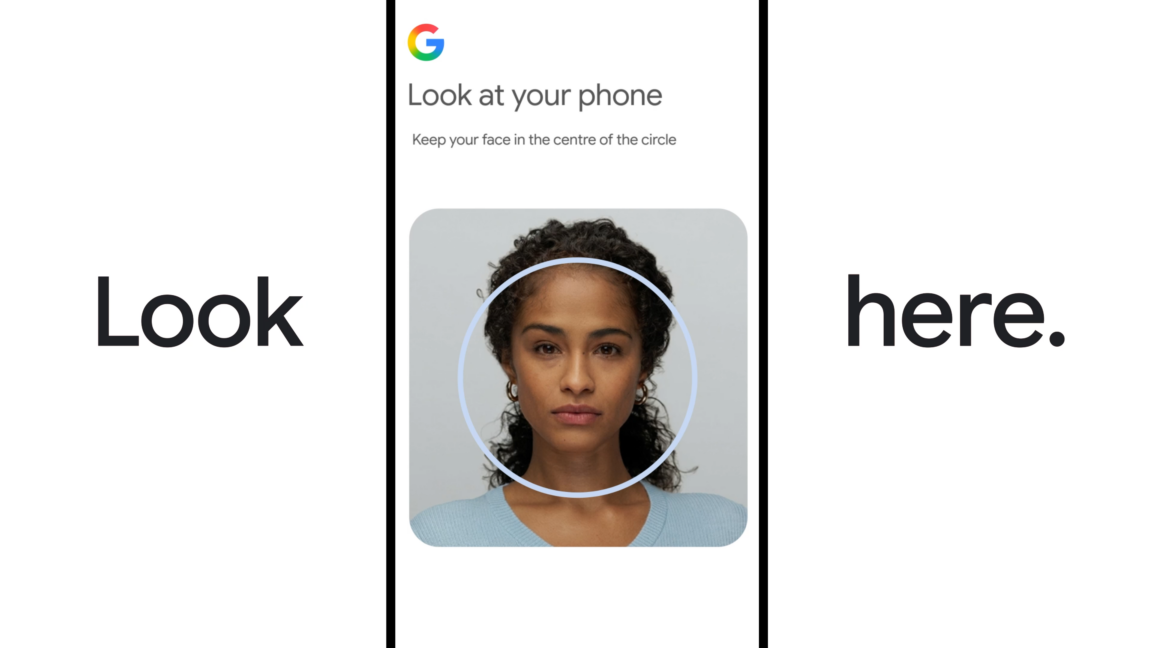
Google's Selfie Login: Convenience Meets Data Privacy Alarms
Google introduces a video selfie login, but the implications for data privacy and AI training warrant scrutiny beyond convenience

Apple's Rare Third macOS RC: Unpacking Security Concerns
Byte-Pulse explores the implications of Apple's unusual third Release Candidate for macOS updates, examining the severity of unannounced security fixes and their impact on European users

Google’s Legal Battle Against AI-Driven Cybercrime: Examining Outsider Enterprise
Google's lawsuit against Outsider Enterprise exposes differences in victim counts and sheds light on AI's role in cybercrime.
The Byte-Pulse Newsroom is the editorial system that produces Byte-Pulse's daily tech news coverage. Each story is cross-referenced across 3+ independent outlets, drafted with AI assistance by the newsroom system (Drafter → Editor → Fact-Checker → Polisher), and reviewed by Serhat Er, Editor-in-Chief, before publication. We disclose AI augmentation openly. Editorial accountability stays with the named editor on every article. Tips: editorial@byte-pulse.net.
Don’t miss these
Asus ROG Phone 9 vs Sony Xperia 1 VII: Which Niche Flagship Earns Your Money?
Deciding between the gaming-focused ROG Phone 9 and the creator-centric Xperia 1 VII? This guide breaks down every spec to help you choose.
Proton VPN vs NordVPN: Which One Earns Your Subscription?
A deep dive into Proton VPN and NordVPN, comparing their privacy, performance, features, and value, helping you make an informed decision.
Perplexity Pro vs ChatGPT Plus: Which AI Assistant Fits Your Workflow?
This guide lays out the strengths and approaches of Perplexity Pro and ChatGPT Plus, helping you identify which AI assistant aligns with your specific needs.

Pokémon TCG Movie Signals Strategic Media Pivot for The Pokémon Company
A new Pokémon movie focused on the TCG is coming in 2027, marking a strategic pivot for the franchise as it navigates massive global fan engagement and logistical challenges.

Apple's AI Pivot: Vision Pro Content Cut, Siri Rebuilt Amid Layoffs
Apple's latest layoffs signal a strategic pivot, dialing back high-cost Vision Pro content while re-tooling Siri for the AI era. What's next for Apple?
Honor Magic 8 Pro vs Samsung Galaxy S26 Ultra: Which Future Flagship Fits Your Wallet and Workflow?
Deciding between the anticipated Honor Magic 8 Pro and Samsung Galaxy S26 Ultra? Our deep dive into expected specs and features provides the fair comparison you need.